La Cabra knows a thing or two about volume. In a given week, the Danish-style bakery and coffee shop sells roughly 8,000 of its signature cardamom buns for $7 a piece across its four New York City locations, according to La Cabra managing director Cyril Alcazar.
That demand has attracted some of the biggest consumer brands in the world to partner with La Cabra: Most recently, the bakery and cafe teamed up with Nike to offer New York City marathon runners complimentary treats while getting their commemorative medals engraved at a Nike store.
“[Nike] plugged us in because they wanted to elevate that experience. So, while they’re waiting for their medal to be engraved, you have a La Cabra there,” said Alcazar.
Alcazar estimates that La Cabra, established in Denmark in 2011 and now with 15 locations worldwide, has done roughly 60 brand collaborations in the past two years. Those have ranged from providing coffee and pastries for Glossier and Diptyque events to creating co-branded merch with Japanese skin-care brand Damdam. And it’s far from the only bakery drawing in major brand partnerships.
With so-called treat culture taking a significant share of Gen Zers’ wallets, beauty and fashion brands are putting their names on everything from coffee and smoothies to frozen yogurt to capture consumer attention. Premium bakeries, the kind whose $8 croissants and baguettes regularly have lines spilling out the door, are now also getting a piece of the pie.
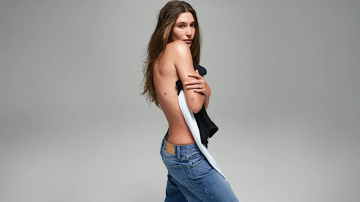
In November, Levi’s teamed up with Manhattan bakery Librae to offer select customers a free sticky toffee danish and Levi’s merch. To promote its Carmine Red collection, French hairbrush brand La Bonne Brosse created an Instagram ad with Brooklyn Heights bakery L’Appartement 4F. Gluten-free consumers are not exempt from the craze: In October, natural skin-care brand Osea tapped grain- and dairy-free Los Angeles bakery Sweet Laurel to create a vanilla and bergamot cake inspired by its new body butter scent.
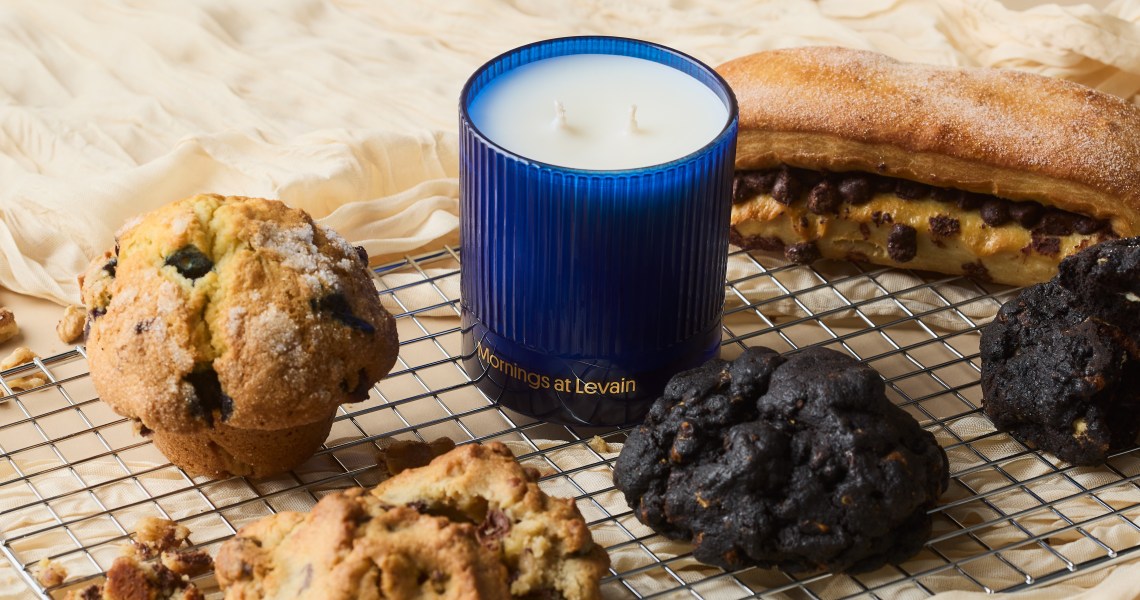
“The bakery has become a hub of culture,” said Snif co-founder and CEO Bryan Edwards. In 2025, the fragrance brand partnered with New York City-based bakery Levain on a “Mornings at Levain” candle, intended to capture the scent of the bakery’s famed oversized chocolate chip and walnut cookies.
At roughly $6 a pop, a Levain creation is pricier than your typical chocolate chip cookie. But it is a more accessible price point than most fashion and beauty brands can offer.
“Bakeries have become a little luxury for the everyday consumer,” said Edwards. “Partnering with trending bakeries allows [fashion and beauty brands] to create a real emotional connection with their target demographic in a way more people can engage with.”
Fashion and beauty brands can similarly offer bakeries access to a new customer base.
“As a business, we want all walks of life coming to our cafes and spaces,” said Alcazar. “With collaborations, that’s the whole point of it. Second is to create some cool experiences through that collaboration. And then third is the financial aspect of it, because to do these collaborations, we get paid to do it.”
The hype around bakeries may have grown, but in and of itself, it’s nothing new — Dominique Ansel’s era-defining cronut turned the humble baked good into a product worth waiting in line for in 2013. And fashion designers have been converting their brand into food and drink for years; Alcazar cited streetwear icon Bape, which operated a Tokyo cafe in the early 2000s, as an innovator in the concept.
Stylish, collaboration-worthy bakeries are, however, popping up in more and more major cities. La Cabra opened its latest location in Mexico City in November, while Librae is slated to open a Williamsburg location in early 2027. Some are asking just how far the premium bakery concept can go: Austrian bakery Rye, which opened in New York City’s Soho neighborhood in September, has invited both intrigue and ridicule for selling $60 loaves of bread.
But the bakery-and-fashion or -beauty crossovers are already at risk of oversaturation, Alcazar said. And too much hype and outside branding can distract from what consumers are primarily looking for: their daily coffee and pastry.
“We’re in the stage now that we probably say no nine times and say yes once, because we’re very intentional in the brands that we work with,” said Alcazar. “At the end of the day, these are all marketing and communication initiatives. The most important are regulars who come into our doors.”
Inside our coverage
Gap Inc. is betting on ‘fashiontainment’ to fuel growth
Why beauty shoppers are flocking to Trader Joe’s
Why Express is betting on Y2K fragrance nostalgia
Urban Outfitters is tapping into Gen Z’s holiday habit of shopping for themselves