For the Wellness Briefing, Glossy unpacks the trends of body composition scanners and scales, which are popping up in gyms, fitness studios and resorts as a value-add for customers. Additionally, Function Health acquires SuppCo, AG1 enters Ulta Beauty brick-and-mortar stores, and fitness wearable company Whoop adds telehealth to its app’s offerings.
Body composition scales are showing up across the hospitality sector as personalization in fitness trends
The latest wellness trend is all about seeing inside one’s body.
Body scanning technology, which measures fat, muscle, water and bone density, has become increasingly more commonplace as an entry-level way of measuring and tracking one’s health and fitness goals. Now, first movers in the growing category are reaping the benefits.
On May 7, Korean body-scanning leader Inbody reported a 23% rise in revenue to $45.8 million in Q1 2026. This was driven by demand in health and wellness clinics across North America and Europe.
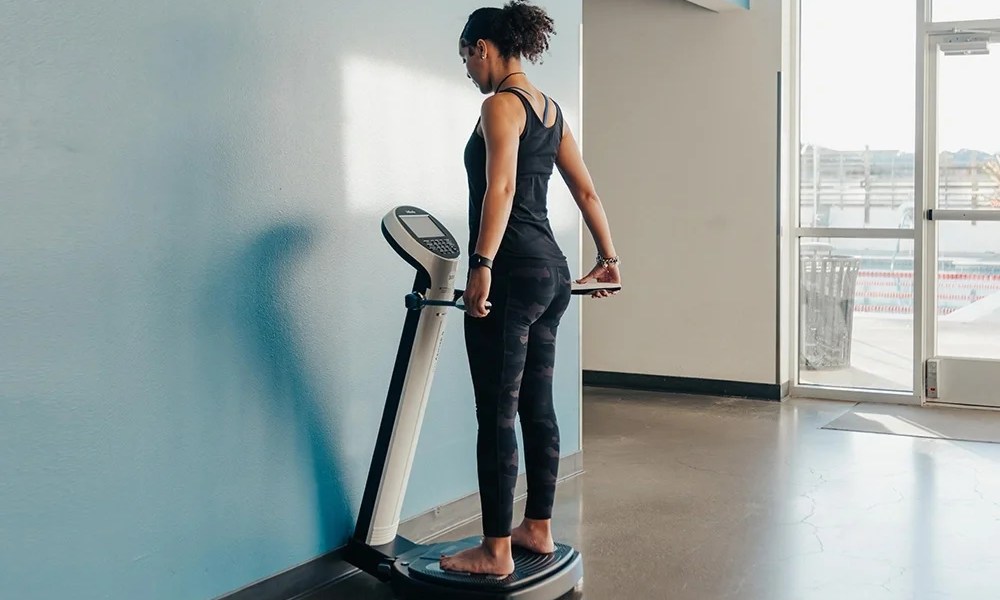
InBody launched its first body composition product in 1998, two years after the company’s launch, and currently offers a variety of models for sale or lease to a variety of wellness, health and fitness businesses. The machines look a bit like a classic doctor’s office scale that measures weight, only larger. It works by passing a painless electronic current through the body to measure fat, muscle and water levels. Tests take under a minute, and customers are presented with a detailed synopsis of water levels, muscle and fat — including charts broken down by arms, legs and trunk.
The company pitches itself as a way to help customers understand their health. Businesses Glossy spoke to use it as a tool to set realistic health and fitness goals for customers and as a retention tool, with brands recommending that users retest regularly to chart their progress.
For example, popular fitness centers like Life Time Fitness, Gold’s Gym and Equinox use them as a member value-add and goal-setting tool. In-Shape Fitness, a gym with 63 clubs across Southern California, offers free monthly scans to its members to help track their progress.
The results replace old-school BMI tests, or body mass index tests, which traditionally only considered one’s weight, height and age when delivering a health score. BMI has been repeatedly shown to be ineffective as a health measurement tool by numerous peer-reviewed journals and academic organizations over the past few decades.
Now, more detailed results help health providers, plus wellness and fitness brands, with tools to better personalize programs, which is a large draw for consumers who value personalized plans.
For example, at Bünda, a popular stairmaster-meets-strength program with 23 locations in Southern California, an InBody scan comes free as a bonus when starting a specialized program or an unlimited membership. Those who drop into a class or visit the studio without a membership can purchase an InBody assessment for $50.
InBody syncs with Apple Health and can be manually imported into tracker apps like Oura, which allow users to save and reference their results.
While InBody is winning much of the gym space so far, there are many competitors. Last week, Hyatt announced a beta test program with Evolt Health in its Hyatt Regency Huntington Beach Resort & Spa in Orange Country, California. The hotel will charge $40 per session for the Evolt 360 scanner, which works similarly to InBody, and will leverage the results to recommend spa services.
Evolt Health launched in Australia in 2015 and is privately held. Its Evolt 360 body scanner can also be found in Anytime Fitness gyms in the U.S. as of 2022. Evolt raised $20 million in fall 2024 for international expansion.
Then there is Vitronic, a German 3D scanning company that debuted in the U.S. last month with its BodyLoop body scanner. The company is soft-launching in the U.S. at Legacy Sports Complex in Milton, Georgia, a sports center owned by two former pro athletes, to appeal to fitness enthusiasts. While similar to its competitors discussed above, the BodyLoop machine also delivers insights into one’s posture, body symmetry and movement patterns.
Meanwhile, Australia-based startup Bodd took on $15 million in funding at the end of last year, led by Blue Sky Capital, to scale its body scanner to the U.S. Then there is Withings, which is raising the playing field with its new Body Scan 2, which was displayed at the Consumer Electronics Show in Las Vegas at the top of the year. It collects more than 60 biomarkers, including heart health, and will launch in late 2026.
This category growth comes on the heels of another big trend: cash payer, elective MRIs, breast sonograms and bone density tests, which saw an explosion in popularity post-COVID.
Executive moves:
- Melissa Grady Dias is the new CEO of Measured Wellness, a telehealth company that leverages data from wearables for personalized health coaching. Her CV includes CMO at Cadillac and VP at MetLife.
News to know:
- Function Health, the telehealth company co-founded in 2022 by Mark Hyman, MD, has acquired the 2-year-old supplement tracking app SuppCo for an undisclosed amount. Function Health has more than 500,000 customers and offers direct-to-consumer medical testing, including labs for nutritional deficiencies, hormone irregularities and other biomarkers it says are often missed in traditional medical visits. The acquisition is part of a larger shift toward vertical integration within wellness tracking and diagnostics.
- AG1, the drink mix supplement brand known for its podcast sponsorships and streamlined product offerings, is entering Ulta Beauty. The brand, which launched in 2010, will sell online and in 1,500 Ulta Beauty locations starting this week. Shoppers will be able to purchase AG1’s hero green drink mix packets, as well as AGZ, a sleep-focused drink mix, and an intro bundle that includes a shaker bottle. AG1 entered Target in April and Costco in 2025. This marks AG1’s first partnership with a specialty beauty retailer.
- Fitness wearable brand Whoop will soon launch a telehealth offering for users within its app. This includes the introduction of live, on-demand video consultations with a licensed clinician and a partnership with HealthEx, a platform that manages health records. “We’re always asking how we can deliver more value to our members, and these upcoming features are some of the most meaningful we’ve ever built, from bringing clinician support directly into the app to advancing our AI coaching to be more personal and actionable than ever,” Ed Baker, chief product officer of WHOOP, said in a statement.
- Aescape, the 2-year-old robotic massage brand backed by Tom Brady, could soon shutter. According to Fitt Insider, the company has defaulted on a $150 million loan from Silicon Valley Bank due to high costs in scaling its AI-powered massage robots. Aescape saw great momentum after its 2024 launch with placements in 20 NYC-based Equinox Gyms, Four Seasons hotels in Florida and trials in Massage Envy locations.
- Pvolve, the fitness brand known for its collaborations, has partnered with author and “The Skinny Confidential” podcaster Lauryn Bosstick on a limited-edition line of at-home fitness equipment. The new collection includes PVolve’s signature equipment bundle, which is used for the brand’s in-person and at-home workouts, in a French blue and creamy bone white colorway. The set comes with hand and ankle weights, stretchy bands and sliders, plus a three-month Pvolve membership for $421.
- Last month, music streaming platform Spotify launched a new “wellness companion” that allows users to stream audio workouts from creators and fitness brands. Now, free online music player iHeartRadio is launching a new fitness-focused station with veteran celebrity personal trainer Jake Steinfeld. The new station, Body by Jake, will play fitness-focused, upbeat music 24 hours a day within the iHeartRadio app.
- Barrière, a 6-year-old wellness patch brand known for its tattoo-like designs, has launched the first lactose intolerance patch to compete with oral products like Lactaid and Happy Cow. The new patch will be distributed through 1,700 Walmart locations. The company told CNBC it will reach $10 million in sales this year. It’s part of the growing consumer interest in transdermal delivery systems for supplements and medications.
Stat of the week:
Fiber may be the latest nutrition topic du jour, but protein sales are still rising. According to Allied Market Research, the global protein supplement category — which encompasses protein bars, drinks and powders – is projected to surpass $50 billion in sales by 2031, more than doubling from $23.9 billion in 2021. In the April 22 report, the firm found that whey sold more than plant-based protein; protein powder did better than drinks and bars; online purchases are outpacing brick-and-mortar sales; and the biggest consumer group driving these sales is millennial men based in North America.
In the headlines:
The tradeoff economy: Why stressed shoppers are still spending [ModernRetail]. Why saunas are becoming a hot new place to party [CBC]. RFK Jr. has visions of the therapeutic use of psychedelics dancing in his head [McGill].
Listen in:
What is PDRN, and how did it become so popular? On this week’s episode of The Glossy Beauty Podcast, co-host Sara Spruch-Feiner explores what PDRN is, what it purports to do for the skin, how it got so popular and how it’s expanding beyond Korean beauty.
Need a Glossy recap?
Glossy 101: How did BPC-157 become the wellness industry’s star peptide? Why TikTok’s comments section is driving the majority of first purchases right now. Coty is pivoting CoverGirl to Gen X market amid 1% decline in net revenue. Bluemercury is taking a hands-on approach to staying ahead in a competitive beauty retail environment. How beauty tapped in at the Miami Grand Prix. 1 month in, Abercrombie’s test with Sperry proves the potential of A&F footwear. Chaos and confusion in the Strait of Hormuz could drive apparel production costs up 15%. How Steve Madden is using resale to ‘hedge against tariffs’. Pinterest’s luxury pitch is AI discovery, not AI answers.