When makeup artist Laura Mercier launched her namesake beauty brand in 1996, glossy magazines and department stores sat at the center of beauty influence. Three decades on, the industry has faced a marketing upheaval as social media and online channels take center stage.
But the role of social media is far from static. On its 30th anniversary, the Laura Mercier brand is revamping its social media marketing strategy to keep up with the times.
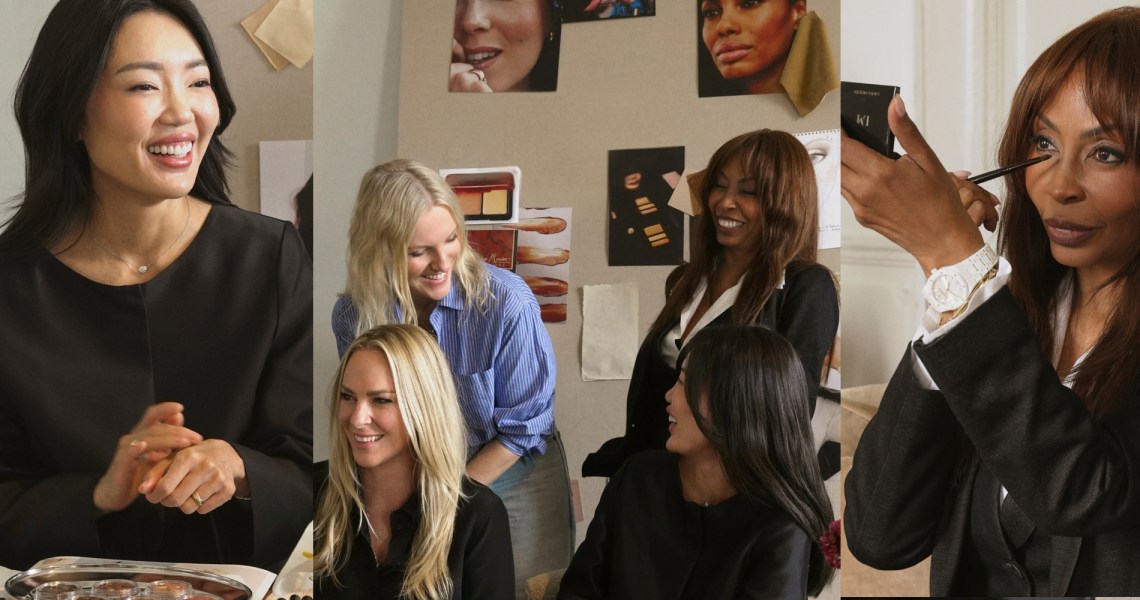
In May, Laura Mercier launched “The Laura Mercier Collective,” a group of tastemakers to act as both internal consultants and external promoters for the brand. The initial group includes author and former InStyle editor-in-chief Laura Brown; celebrity makeup artist Georgie Eisdell; interior designer Brigette Romanek; and beauty editor and podcast host Amy Chang.
In addition to launching the collective, Laura Mercier has flipped its influencer strategy from targeting a handful of mega creators to recruiting an army of micro creators to spread the word.
“We wanted women with some type of organic connection to Laura Mercier, so that they would not only be creating content or be influencers, but [they would also] kind of be women of influence,” said Ginny Wright, global CEO of Orveon, which acquired Laura Mercier from Shiseido in 2021.
Laura Mercier’s strategy mirrors larger industry trends as brands adapt to a social media environment where consumers have grown skeptical of traditional influencer marketing. Beauty brands are subsequently both looking for non-traditional influencers to spread brand messaging and asking influencers to translate their knowledge to more internal advisory roles.
“While influencers and content creators are great, and they do influence purchase, at the end of the day, the authenticity and the trust factor rises infinitely when it’s your best friend, or your sister, or your mother, or your brother, or whoever saying this product is amazing,” said Wright. “We look at [the collective] both as the community that literally surrounds them that they’re a part of, as well as the broader followership that follows them on TikTok and Instagram and other channels.”
Laura Mercier is not the only brand to take such a strategy. To promote its Black Honey franchise, Clinique tapped beauty creators but also viral florist September Studio to create a custom flower arrangement. On Tuesday, ESW Beauty named influencers Katie Fang and Aliya Rachinski the brand’s first “creator equity partners.” In July, clean fragrance brand Skylar announced “Love Island” star Leah Kateb as chief creative officer and “refounder.” Milani Cosmetics has also recruited its internal employees to use their authority and expertise to create external social content.
Laura Mercier’s new collective will be responsible for initiatives like co-creating products and hosting external events. One of their first tasks has been promoting the relaunch of the Secret Camouflage Complexion Perfector, which the brand celebrated in May with a London dinner co-hosted by British Vogue and its collective members. Wright said Laura Mercier pays the collective members for their time, similar to how it would work with an outside consultant.
Recruiting those particular members is also part of the brand’s efforts to reconnect with its original Gen X consumer base, who may have first discovered the brand in their teens and 20s but have now matured. Wright, who joined Orveon from luxury watch brand Audemars Piguet in 2025, said Laura Mercier had strayed from its core identity in recent years.
“A lot of brands are going after Gen Z, and there’s nothing wrong with that. There are very few brands that are recognizing [Gen X] are women of value and women we want to be a part of our world,” said Wright.
New brands like Sarah Creal and All Golden are also attempting to own that 40-plus market. But Wright wants Laura Mercier to lean on its established authority as a makeup brand to win over those consumers.
“What Laura taught is so simple. It’s about just creating beautiful, healthy-looking skin first, and then adding onto it,” said Wright. “I think we’re getting back to the DNA and why this brand was founded. Sometimes people stray from what made that magic formula happen, and now we’re going back to the magic that made the brand 30 years ago.”
Wright said it is difficult to put a dollar figure on the type of influence that its collective members bring to the brand. But she said Laura Mercier has seen quantifiable success in its revamped social strategy to reach micro-influencers. As a collective, those smaller-scale creators are wielding the kind of power once monopolized by creators with millions of followers.
While Laura Mercier once dedicated about 70% of its social media content to macro-influencers, the ratio has now flipped to micro-creators leading the way. According to Wright, as of July, Laura Mercier had achieved close to $70 million in earned media value year-to-date and a roughly 143% year-over-year increase in reach and EMV throughout the first half of the year. Roughly 40% of that EMV comes from TikTok, where Laura Mercier has just over 180,000 followers. On Instagram, it has over 3.6 million followers.
As it grows its reach on platforms like TikTok, Laura Mercier is also looking to seed its products not only to traditional beauty creators, but also to women in a broad range of professions who can speak to the target Laura Mercier consumer across a wider range of interests. That effort mirrors larger marketing trends where beauty brands seek to infiltrate consumers through all areas of their lives, from frozen yogurt to reality TV.
“Laura Mercier is now not just a prestige beauty brand. It’s also a prestige beauty content engine,” said Wright. “We’ve done enough consumer research where we feel like we know [the core consumer’s] interests outside of beauty, which is, she lives a very curated life. She’s into business and finance and news. Obviously, she’s into fashion, but she’s also really into architecture, art and interior design.”
But what initiatives like the Laura Mercier Collective are perhaps hoping to mimic is the sort of IRL influence that brands and social media can’t directly control — for now, at least.
“Instagram obviously is extraordinarily important — [as are] TikTok, YouTube, Reddit and Pinterest; these are the five areas where we find [consumers] spending the most time when they’re digitally engaged,” said Wright. “But I go back to the fact that friends and family are something that I don’t think even social media can replace.”