This week, I analyzed a stack of end-of-year consumer trend reports being circulated by industry-leading retailers, market research firms and software providers. The result is a breakdown of industry drivers and trends, including hormone regulation, NAD support and creatine supplements, which saw year-over-year increases in online searches by 11%, 428% and 1,000%, respectively. Additionally, the FDA deploys agentic AI to streamline industry inspection and review, the cycle-tracking menstrual cup brand Emm raises $9 million in funding, and the British luxury retailer John Lewis reports a 59% increase in sexual wellness sales.
Longevity was the driving force of the wellness industry in 2025
As a concept, the longevity category bucket includes anything that helps a consumer live a longer, healthier life, much of which became a bedrock of modern consumer spending after the Covid-19 pandemic.
For the wellness industry, this meant a sharp uptick in online searches and spending on new and emerging categories. This included perimenopause support and hormone regulation; both old and new supplement offerings, like creatine and NAD+; a reframed take on strength training and fitness; and health trackers to record progress in real time.
Consumer spending on longevity and wellness is primed to reach $8 trillion in the next five years, according to investment banking company USB. This includes supplements, diagnostic tools and strength training equipment, among other products.
“While the wealthiest drive the highest spend, younger and aspirational consumers are reshaping the category with their focus on self-investment and tech-enabled wellness,” said David Hamlette, wellness analyst at Mintel market research company. “While near-term caution is likely [due to economic uncertainty in the U.S.], long-term trends favor experiential, holistic and evidence-based wellness offerings.”
According to Mintel market research company, millennials prioritized beauty and wellness products and services more than any other age demographic in 2025 when considering their discretionary spending.
Specifically, the top longevity trends for 2025 include NAD, resveratrol, perimenopause and creatine, according to an annual report released earlier this week by the data platform Spate.
Searches on Google, Instagram and TikTok for “NAD,” a naturally-occurring co-enzyme that diminishes as we age, increased by 428% between last November and this October to bring in around 3.1 million returns each month. This includes the NAD+ supplement category that supports NAD levels.
“Resveratrol” also had a great year: Searches for the antioxidant, which is found naturally in the skin of grapes and in wine — and is added to skin- and body-care — jumped 10.5% to land at 407,000 monthly queries.
Despite these jumps, it was magnesium that took home the gold medal for the biggest change in popularity from Spate. The ingredient, popular in nighttime drink mixes and pill supplements, grew 41.3% year over year to reach a popularity score of 9.2 million, a proprietary metric showing how popular a term is across the internet.
As the private sector invests more in women’s healthcare, searches for “perimenopause,” the period between a woman’s reproductive years and menopause, have also increased. As reported by Glossy, products targeting this life stage have also grown. Additionally, searches for “creatine,” which is delivered through powdered drink mixes and liposomal pouches to boost muscle strength, jumped 1,000% YoY to hit more than 225,000 monthly returns. However, creatine gummies led searches with a 101% increase.
Meanwhile, interest in biohacking, longevity supplements and circadian rhythm were up 196%, 188% and 91%, respectively.
But the concept of longevity has also deeply impacted the beauty sector. For example, this year, L’Oreal invested $13.8 million in the Chinese biotech startup Veminsyn, which is on a quest to find new beauty and wellness ingredients, while Prelude Growth Partners invested $20 million in OneSkin, a peptide-powered, longevity-focused skin-care brand.
In August, Nicole Fourgoux, former longtime L’Oréal Group exec and current operating partner at Stride Consumer Partners, told Glossy that hair longevity was a top driver of the hair-care category. “The same ingredients that popped up about six years ago in skin care are now starting to make their way into hair care [such as] niacinamide, peptides or even ceramides,” she said.
As for 2026, longevity is set to garner more market share as consumer priorities continue to shift. According to a report by NielsenIQ, 57% of consumers surveyed now prioritize “aging well” more than they did five years ago, and 55% are willing to spend over $100 a month on better nutrition, self-care, physical and mental health.
“There’s a [growing] percentage of the population where longevity, wellness and well-being are at the top of their list on how they show up [in life], whether it’s driven through aesthetic goals or overall well-being,” Darren MacDonald, CEO of Tonal, told Glossy. “[Consumers today] want to live longer, but they also want to live better as it relates to health span, not just lifespan.”
News to know:
- The Food and Drug Administration could soon brush off its reputation for being slow in its approvals and program rollouts. Announced earlier this month, the agency has deployed agentic AI capabilities for all of its staffers in an effort to “assist with more complex tasks, such as meeting management, pre-market reviews, review validation, post-market surveillance, inspections and compliance, and administrative functions,” according to the government agency. “Agentic AI will give [FDA’s reviewers] a powerful tool to streamline their work and help them ensure the safety and efficacy of regulated products,” said FDA chief AI officer Jeremy Walsh.
- Emm, a U.K.-based startup creating a smart menstrual cup wearable, has taken on $9 million in funding to bring its tracker to market next year. Investors include Lunar Ventures and Labcorp Venture Fund. Emm resembles a basic menstrual cup, except its tech offering also tracks the user’s flow rate, volume and cycle regularity, for example. Emm is helmed by founder and CEO Jenny Button.
- Pilates Addiction, a pilates fitness franchise launched in May by Sequel Brands, announced it has sold its 200th territory franchise, with 100 U.S. locations opening in 2026. Sequel Brands is a fitness franchise organization launched in May, and is already expanding concepts like Beem Light Sauna studio, Ultimate Longevity centers and iFlex Stretch Studios.
- Sexual wellness product sales grew by 59% in 2025 for British luxury retailer John Lewis. According to the company’s annual store report, “products and routines designed to enhance rest, health and mood soared as customers redefined what it means to feel good.”
- Telehealth provider Joi + Blokes has acquired sexual health startup HerMD. HerMD’s patients will be transferred to Joi + Blokes’s care, and HerMD will move forward as an educational platform under the Joi + Blokes umbrella, as reported by Beauty Independent.
Stat of the week:
The fitness app marketplace could reach $33.6 billion by 2033 — more than tripling from $10.6 billion in 2024 — according to a new report by market research firm Research And Markets. The company anticipates a 13.5% compound annual growth rate in the coming years, driven by AI personalization, the popularity of health tech and rising costs of traditional health care.
In the headlines:
Musclespan is the new longevity metric women need to track [Self]. Smartphones linked to youth depression, obesity [Fit Insider]. Aligned Fitness acquires 13 Club Pilates studios [Athletech News]. What it takes to be a top retail leader today at companies like Oura, E.l.f. Beauty and Amazon [Modern Retail]. ‘There’s tremendous opportunity’: NBA sponsorships lead on European expansion [Digiday]. The new science of unlocking longevity [Wall Street Journal].
Listen in:
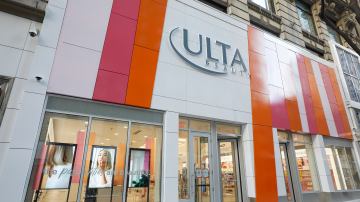
Kecia Steelman stepped into the president and CEO role at Ulta Beauty in January. She’s since unleashed a revenue comeback plan, which includes international expansion, a marketplace launch and the closure of its Target shop-in-shop. In just 11 months, her strategy has paid off, tripling the retailer’s net sales growth in just three quarters. Glossy sat down with Steelman to discuss her first year at the helm of America’s biggest beauty retailer on The Glossy Beauty Podcast.
Need a Glossy recap?
As run clubs replace nightclubs, Cymbiotika rides the trend. Herbivore bets big on body care with a 15-piece collection and arrival at Ulta Beauty. Inside Dieux’s Brooklyn lab, where the skin-care brand aims to develop the Holy Grail of sunscreen.