This is an episode of the Glossy Fashion Podcast, which features candid conversations about how today’s trends are shaping the future of the fashion industry. More from the series →
Subscribe: Apple Podcasts • Spotify
The shopping calendar isn’t what it used to be.
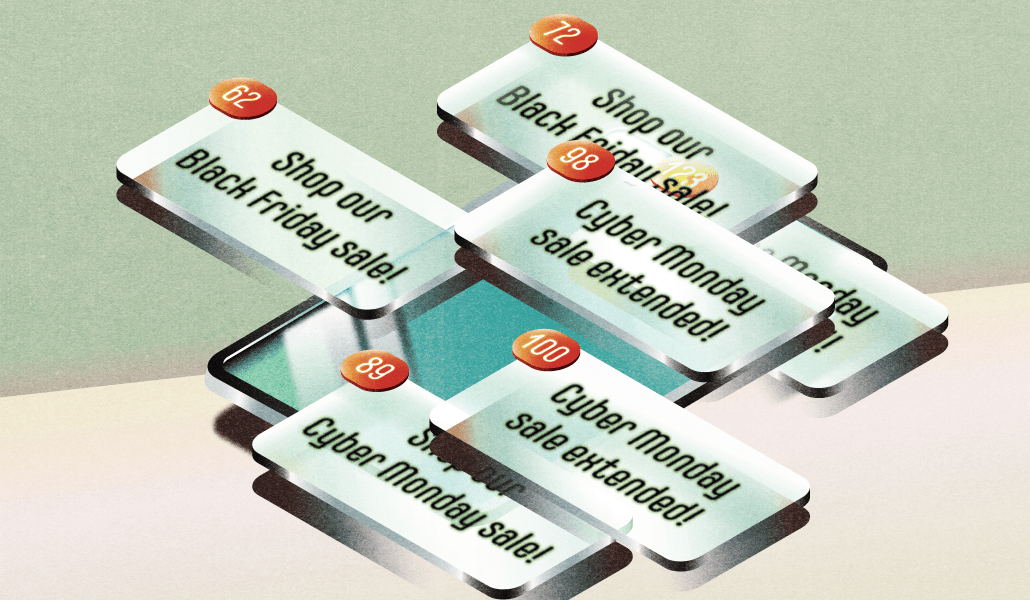
Prime Day has become Prime Week, Black Friday has become Black Friday Month, back-to-school shopping now starts in June, and holiday shopping is starting in October. As brands and retailers compete for an edge during these lucrative periods, the traditional shopping calendar is getting elongated and spread out.
According to Kelly Pedersen, global retail lead at the professional services firm PwC, these shifts are being driven by both businesses and consumers. On the Glossy Podcast this week, Pedersen shared that PwC’s research on back-to-school shopping shows that the average family is spending around $920 during the back-to-school period. Those customers are continuing to spend around $630 a month on their kids throughout the school year.
“It starts with the brands,” he said. “The retailers always want to capture consumers during these moments, and they want to be first. It’s not just about revenue during those windows, but [it’s also about] customer acquisition, capturing those customers and using that momentum to carry spend on throughout the entire year.”
Pedersen said today’s consumers are being trained to expect holiday sales and back-to-school sales earlier, meaning they’re waiting to spend until those periods start. That further incentivizes brands to elongate the period as much as possible.
The natural question becomes whether a longer shopping event leads to consumer fatigue and risks robbing those periods of their urgency. But Pedersen said he doesn’t think that is the case.
“Theoretically, it could actually increase overall spending because people get paid in cycles,” he said. “They’re going to spend a certain percentage of their paycheck on holiday shopping. But if you elongate that period, you have more opportunities to pick up on that cash flow from the consumer.”
Ultimately, Pedersen recommends that brands think about these shopping periods — like holiday, back-to-school and Mother’s Day — as opportunities to capture a customer in the long term, not just as a one-off revenue driver. He also pointed to PwC data showing that almost 0% of surveyed customers said they planned to use AI to help them shop for holidays last year, but that number jumped to 73% this year.
“Consumers are using technology to become smarter about how they shop with a retailer, and retailers really need to think about this new channel,” Pedersen said. “And it’s not a channel in the traditional sense, meaning they’re not transacting via AI, but it’s a discovery channel, and it’s a price-checking channel.”