This is an episode of the Glossy Fashion Podcast, which features candid conversations about how today’s trends are shaping the future of the fashion industry. More from the series →
Subscribe: Apple Podcasts • Spotify
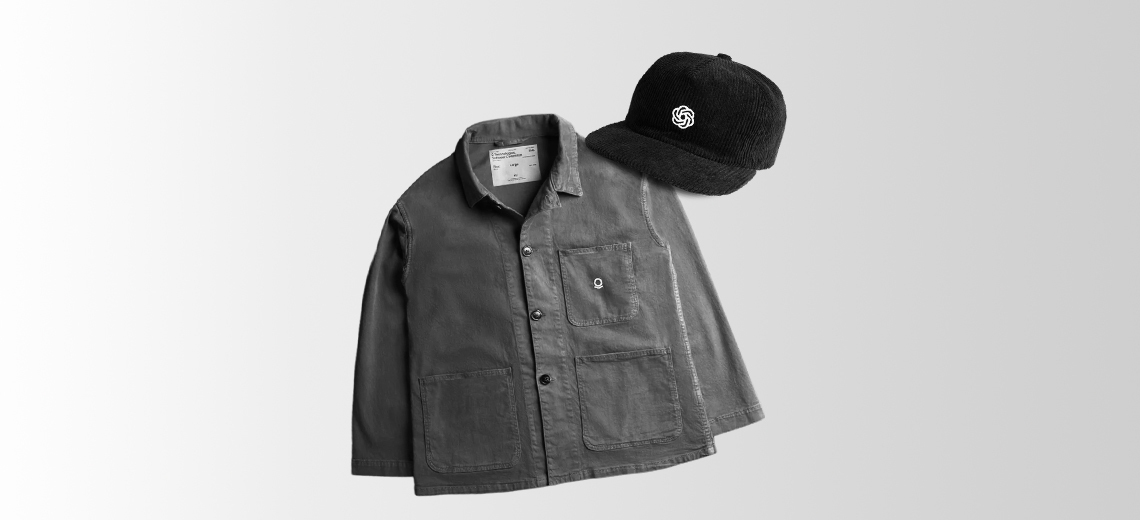
It started with the Palantir chore coat. Then it was the Anthropic “thinking cap.” Now, OpenAI has its own regular merch drops through its apparel arm, Supply Co.
Over the last year, big tech and AI companies have started to get into the fashion game, releasing streetwear-inspired drops, hiring people into roles like “head of vibes” and opening pop-up shops to show off their merch.
The reaction has been split. Many in the fashion community have lambasted these releases, calling them inauthentic and using fashion as a means of reputation laundering. Many of the companies involved, particularly Palantir, have been widely criticized for reasons including their environmental impact, unethical data acquisition models or contributions to mass surveillance.
Highsnobiety style writer Chris Erik Thomas joined the Glossy Podcast this week to discuss why these companies are entering the fashion game and why the reaction from streetwear communities has been so negative.
For one, Thomas said he finds the aesthetic incredibly dated. Many of the pieces look plucked from a late-2010s streetwear blog and are out of step with current culture.
“It has this post-Covid, early 2020s look — like the Kith, Aimé Leon Dore, Supreme era — that a lot of others have already aped,” he said. “Other companies, other brands, other aesthetics have already taken their place, so this all just looks very dated.”
There does seem to be an audience for these products, however. OpenAI’s products all sold out quickly, and Palantir said its apparel division is set to double sales this year compared to last year.
“I haven’t seen anyone out in the wild with any of this stuff yet, but there is a subset of the population that is very pro-AI; they love big tech, they wear their Apple Vision Pro on the plane,” Thomas said. “And I love tech in some ways, as well. But there are people that don’t really care about the insidious nature of the companies they’re representing, or maybe they do and just find it ironic to wear it.”