The watch market is full of major resellers and retailers doing billions of dollars of business selling pre-owned watches. The secondary watch market globally reached $16 billion last year, growing 24% year over year.
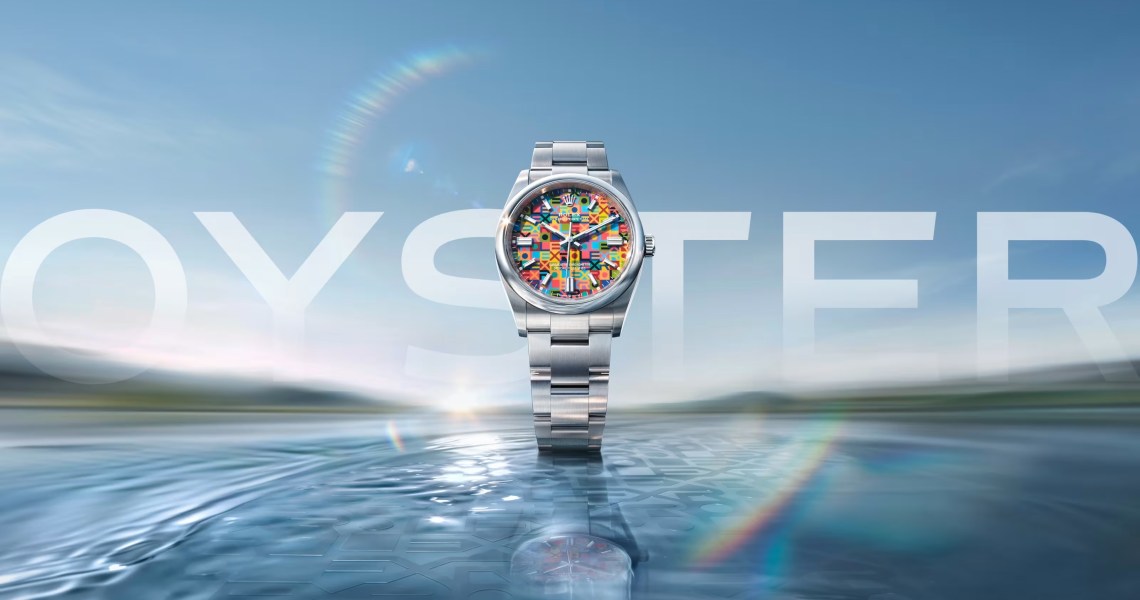
But an increasingly significant chunk of those secondhand sales isn’t being captured by independent resale platforms. Rolex itself now accounts for around 10% of secondhand Rolex sales through its Certified Pre-Owned channel, according to data from Morgan Stanley. After launching Rolex CPO in 2022, revenue for the channel reached over $530 million in 2025, while total secondhand Rolex sales from all sellers were at just under $6 billion. Morgan Stanley’s most recent analysis, released on July 17, found that in the last quarter, Rolex CPO sales were around $186 million, marking a 67% increase year over year.
Those figures are a significant increase from Rolex CPO’s total revenue in 2024, estimated at $319 million. Rolex doesn’t officially release sales data for its CPO channels, so the estimate comes from an analysis of Rolex CPO sales on different channels. Rolex CPO is available through the Rolex-owned retailer Bucherer, along with a select few partners like the 1916 Company.
The entry and rapid rise of a watch juggernaut like Rolex into the lucrative secondhand watch market has taken market share from secondhand dealers and marketplaces. But many sellers told Glossy that the ensuing growth of the entire market for secondhand watches has been worth the adjustment.
“When a legacy brand validates the pre-owned market, it injects massive consumer confidence into the entire industry,” said Eugene Tutunikov, CEO of the watch marketplace SwissWatchExpo.
An analysis by Everywatch, a watch marketplace analytics company, found that Rolex’s CPO growth came primarily from increased transactions, not from prices increasing. A separate Everywatch report found that total sales of secondhand watches across all platforms rose sharply last year, jumping nearly 24% year over year.
Robertino Altieri, founder of the watch dealer WatchGuys, told Glossy that CPO programs and dealers like himself serve different needs in the watch space.
“Rolex’s CPO program and the [rest of the] secondary market do technically compete for the same customer base, but at a different angle,” he said. “Both sell the same thing — used Rolex — pulled from the same pool of customers. However, Rolex’s CPO watches have a markup that does not often attract our client base.”
According to another watch marketplace, Chrono24, Rolex’s CPO prices are an average of 25% higher than other sellers’. One Rolex Submariner model, for example, costs over $19,000 through Rolex CPO, but only $15,700 on Chrono24.
Altieri said that most of his customers are seasoned watch collectors. The CPO programs, despite their markups, are appealing for people new to the hobby who want to be 100% sure what they’re getting is real, yet don’t want to spend full price on a brand-new Rolex.
“CPO gets the person who has not found a dealer they trust yet, while the secondary market gets the person who has,” Altieri said.
Quaid Walker, co-founder and CEO of the watch marketplace Bezel shared a similar sentiment.
“Brand-owned pre-owned programs have been an excellent signal to the market that’s it’s okay, and often times preferred or required for discontinued and vintage models, to buy preowned watches,” he said. “So for Bezel, as more brands create their own CPO programs, we’ve seen it only accelerate our sales. If you’re a seller that prioritizes authentication and customer experience, plus you have competitive pricing, more buyers entering the secondary market can only be a good thing.”
Paul Altieri, founder and CEO of Bob’s Watches, told Glossy that even as Rolex CPO grows, it will never fully capture the vast amount of demand for pre-owned Rolex watches, leaving lots of room for independent sellers to thrive.
“Ultimately, I believe the two channels can coexist quite successfully,” he said. “Rolex CPO helps bring new buyers into the market, while independent platforms provide the selection, liquidity and pricing transparency that have helped the secondary watch market grow into the global industry it is today.”