This week, I checked in on the new beauty categories that have emerged in the first half of 2026, from pet care to kids’ skin care. Additionally, The Ordinary’s Brooklyn bus hits a road bump, and Orebella announces new funding and a new CEO.
From pet grooming to nail skin care, new beauty founders are looking for a white space in a saturated category
When scanning for emerging beauty trends, Circana’s Larissa Jensen looks to one of beauty consumers’ favorite places: the post-event goodie bag.
“That’s my peek into where [beauty] is going,” said Jensen, svp and global beauty industry advisor at consumer analytics firm Circana. “The bag I got most recently had pet care products in it, like for caring for your pet’s paws, or skin.”
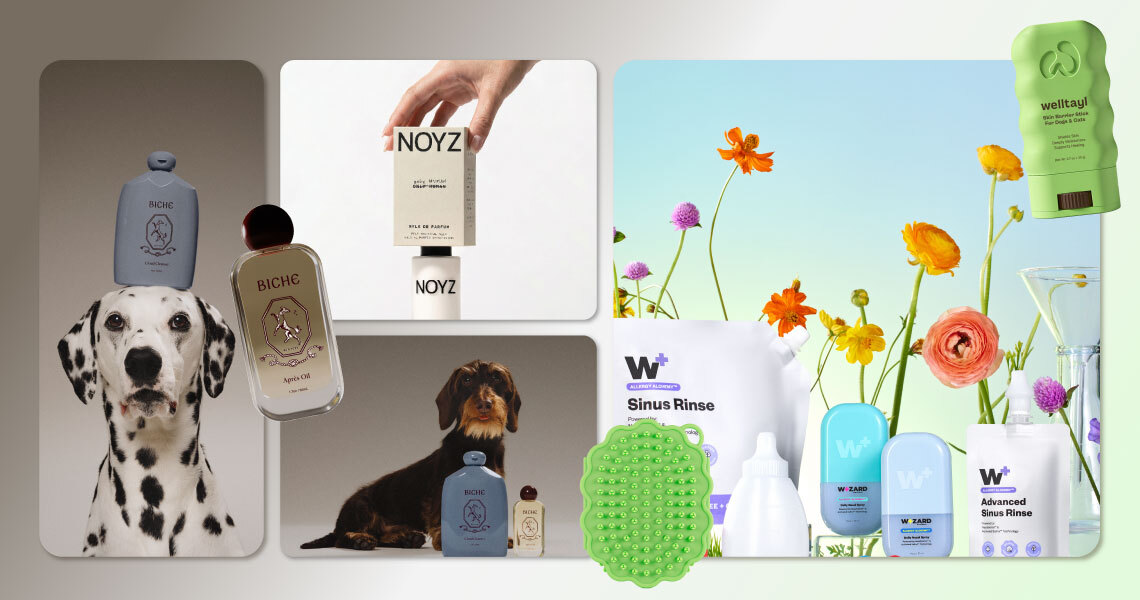
Indeed, pet grooming has emerged as a clear trend in 2026, with new brands like Biche and Welltayl applying prestige beauty’s aesthetics and ingredients to products for dogs. So, too, has kids’ skin care, in the form of brands like Sincerely Yours and Shay Mitchell’s controversial Rini. The “skinification” movement has extended to seemingly every beauty category, as well, bringing nourishing skin-care ingredients and multi-step routines into fragrance, nails and even allergy care.
But the never-ending stream of beauty brands and products attempting to establish new and emerging categories begs the question: Is there still any white space left in beauty? And in a saturated beauty market, do consumers still have an appetite for innovation?
“There still is room, and always will be room for innovation, because what is the next GLP-1?” said Jensen. “The one thing that doesn’t change is the fact that change is always happening.”
But innovation doesn’t come easy. “Anytime you have something truly new, the biggest hurdle any brand is going to have to overcome is: How do you, one, teach a consumer how to use it, and then how do you convince them that this is necessary?” Jensen added.
A new wave of founders is leaning on aesthetics and ingredients consumers are already familiar with when establishing new categories.
Former Highsnobiety beauty editor Alexandra Pauly wanted to bring the elevated packaging and scents found in many beauty brands to the pet-care aisle when she launched Biche in April. She worked with fragrance giant Givaudan to develop Biche’s signature scent, and the brand’s stockists include beauty retailers like Stéle and Beautyhabit, where its dog-friendly shampoo and oil sit alongside human-friendly perfumes and cleansers.
“It was all about being where our key consumers are already investing in beauty and wellness for themselves. Because when you think about the way we treat our pets today, they’re really just an extension of ourselves and our personality and our values,” said Pauly. “So, it’s just a really easy add-to-cart kind of opportunity.’”
When Lorne Lucree launched his allergy-care line, Wizard Wellness, in January, he, too, wanted a brand that looked more like Byoma than Zyrtec.
“You’re not embarrassed to have it in your flat lay with your Summer Fridays and your Touchland. It gets you excited to actually use it daily, and that’s the unlock — that it needs to be a ritual behavior for you to actually feel better and to see the results,” said Lucree. The ingredients that appear in Wizard Wellness’ multi-step allergy-care routine, like ceramides and glycerin, are likely also familiar to the Summer Fridays or Touchland audience.
“What I know works is when you can take ingredients across categories and leverage them,” said Lucree, who previously worked in product development at beauty brands like Tatcha. “Consumers immediately get it.”
But being at the vanguard of a new category can be a double-edged sword.
“Being an early entrant into a category is not without risk,” said Addison Cain, marketing and insights lead at consumer trends agency Spate. “But I think you can really mitigate the risk by looking at the right signals. So when it comes to innovation, looking at those signals and pairing emerging niches with high-growth, high-driver categories is also very beneficial.”
Cain pointed to the emerging skin-care-for-nails category as a response to wellness’s growing influence on beauty, with brands like Celisse and the upcoming Buff Beauty emphasizing products that enhance nail health over nail adornment.
“Trends are cyclical, so there’s going to be kind of a counter reaction. And I think Celisse has been early on in this reaction of the opposite of the nail boom that we’ve had over the last few years,” she added. “I think [being successful in a new category] comes with knowing what is trending at the moment but also looking ahead and understanding, with trends being cyclical, what is the next iteration of a given market.”
Some launches have perhaps been too ahead of the curve. In 2020, Becca Cosmetics’ Zero No Pigment foundation left customers confused over the function of a so-called clear foundation. The brand closed its doors the following year. But in recent years, Danessa Myricks’ namesake brand has found success in blurring the lines between makeup and skin care with her award-winning Blurring Balm.
“Being the first makes it much harder, obviously. Because you have to do all that legwork. But at the same time, by being the first, that’s your claim to fame — that you were the first one,” said Jensen. “But sometimes even being the first one doesn’t always play out. Because someone can come in after and be even more successful, and the fact that you were first doesn’t even matter.”
Consumers can also be skeptical of brands that attempt to own any one territory. In May, Patrick Ta’s namesake makeup brand faced backlash on social media over its launch of “transition blush,” a collection of blush products intended to act as a bridge between blush and concealer. Some social media users felt the product was unnecessary, while others criticized Ta for failing to credit makeup artist Ngozi Esther Edeme, known by her handle @paintedbyesther, for popularizing the technique.
But consumers and consumer sentiment are not static entities. Jensen pointed to the emergence of the menopause and perimenopause categories as meeting the needs of Gen Xers who have come of age. Millennials, the oldest of which are in their mid-40s, may soon seek beauty products that match their approach to aging, she added. And the popularization of GLP-1s has created a cottage industry of products, like skin care and supplements, to mitigate the effects of the weight-loss drugs.
And as the industry has elevated everyday items like toothpaste and now dog shampoo into top-shelf-worthy products, there are still plenty of other products that may be due for a beauty makeover.
“[Beauty] really is feeling pretty saturated nowadays,” said Pauly. When asked which category could be ripe for innovation, Pauly suggested a product many will be pulling out of their medicine cabinets come summer: bug spray. “It’s a product that I use a lot during the summertime, and it’s just a really unsexy category. You have to buy it, so why not make it a more enjoyable experience?”
Executive moves:
- Bella Hadid’s Orebella appoints Anish Agarwal as its new CEO after closing a Series A funding. Agarwal was previously CEO of the hair-tool brand T3 Micro. With funding led by Silas Capital, the brand will expand its product lineup and global presence.
- LVMH names Sylvia Tournery as president of Sephora Collection. Tournery joins from L’Oréal, where she was global deputy gm at Lancôme. She will be responsible for overseeing growth at the in-house Sephora brand.
- Delivery platform Veho names Jean-André Rougeot to its board. Rougeot’s previous roles include president and CEO of Sephora Americas and CEO of Benefit Cosmetics.
- Body-care brand Nécessaire named Georgie Coupe as svp of marketing and Adam Okrasinski as executive creative director. Okrasinski joined from The New York Times, while Coupe previously held roles at Bumble.
News to know:
- Waldencast sells Obagi Medical to U.K. investment firm Bridgepoint for $460 million. Along with the sale of the clinical skin-care brand, Waldencast co-founders Michel Brousset and Hind Sebti will depart the company to join Bridgeport.
- The Ordinary ceases its bus service from Brooklyn’s Prospect Park to Domino Park. The Estée Lauder Companies-owned brand intended to run the bus service through June 9, but announced its suspension on Saturday via an Instagram post. The post stated that The Ordinary is “working hard to get our bus up and running again soon.”
- Snif expands to body care. On Thursday, the fragrance brand will launch its first body lotions, featuring six of Snif’s top-performing scents like Vanilla Vice and Crumb Couture.
Stat of the week:
According to data from Placer.ai, foot traffic at Macy’s dropped 10.2% year over year in Q1 2026. At Nordstrom, foot traffic fell 2.3%, but average visits per location increased 1.6%. At Saks Fifth Avenue and Bloomingdale’s, traffic was largely flat.
In the headlines:
‘Very demure, very mindful’: How Jools Lebron went viral – and her life fell apart. Department stores need fragrance. Is the feeling mutual? Is Creed the scent of our looksmaxxing era?
Listen in:
On this week’s episode of the Glossy Beauty Podcast, hosts Lexy Lebsack and Sara Spruch-Feiner are joined by senior beauty reporter Emily Jensen to discuss Sephora’s and Ulta’s recent investments in AI and how agentic shopping is poised to evolve in the beauty industry.
Need a Glossy recap?
Exclusive: Patrick Ta sets the record straight on “transition blush.” iFit and NordicTrack bet on connected pilates with $10k at-home reformer. Glossy Pop Newsletter: Are bare nails the chicest new trend — or a recession indicator? FaceGym plots international growth with new UK franchise model.