As the year draws to a close, the beauty and fashion industries are taking stock — not just of what worked, but of what truly impacted culture. In 2025, marketers had to justify value at a time when many consumers are pulling back on spending, earn trust in an oversaturated market, and capture attention when launches are a dime a dozen and brands often compete in the same categories at the same time.
To close out the year, Glossy asked top marketers to reflect on the campaigns they wish they had come up with — and that will inspire their own work in the coming year.
Robyn DelMonte (@girlbosstown), a content creator known for her takes on marketing and brand:
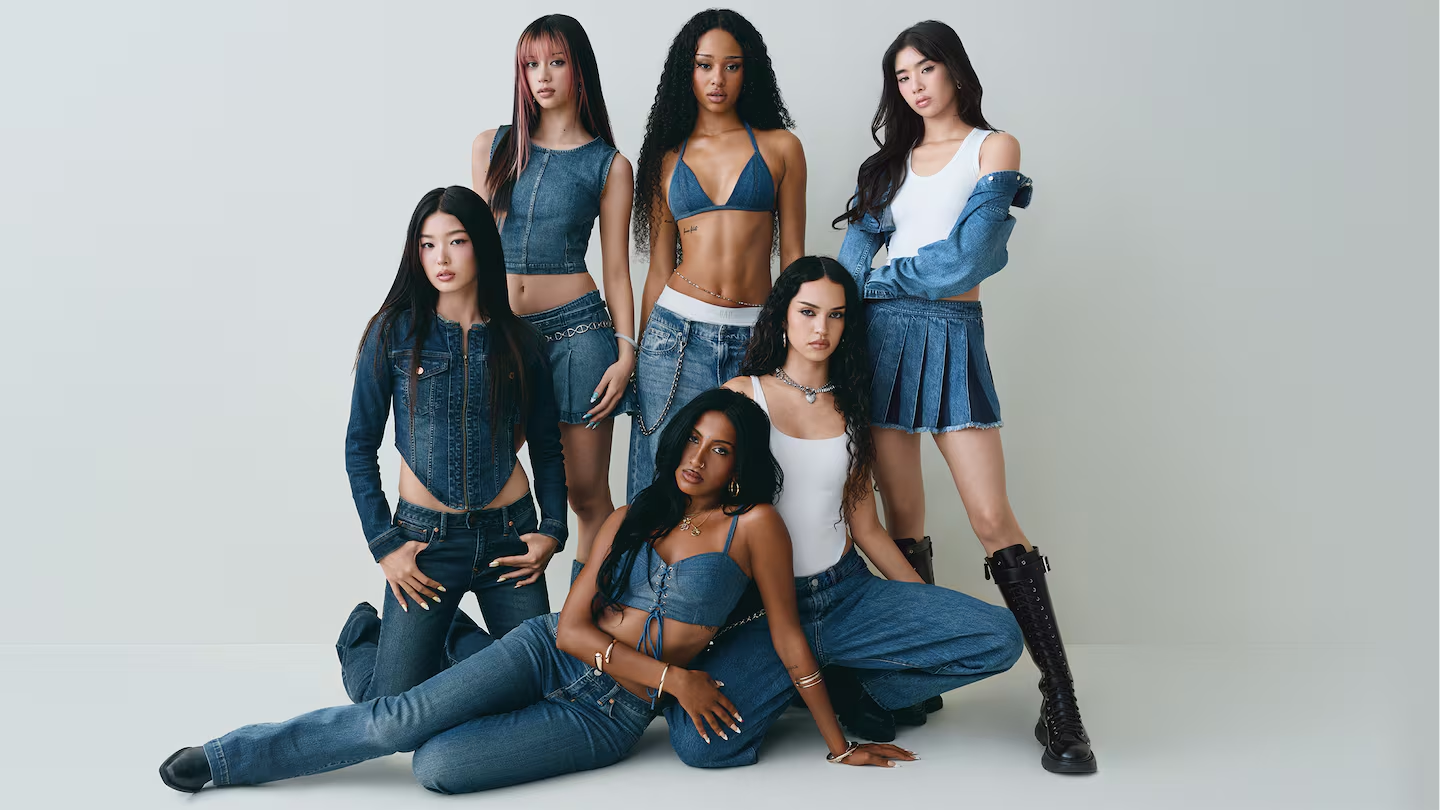
“One campaign I absolutely loved this year was the Gap x Katseye collaboration, which felt like the Mecca of my favorite Y2K advertising aesthetics reimagined with a modern twist. It captured the energy of early‑2000s campaigns — the choreography, the music, the attitude — but they updated it for today’s audience in a way that made the ad itself a cultural event. What stood out was how it reminded me of a time when commercials weren’t just background noise, but viral moments that drove conversation and literally brought people into stores. That blend of nostalgia and innovation influences how I want to approach my work in 2026: creating campaigns that feel like cultural drops, remixing legacy aesthetics with modern storytelling, and designing multi‑platform activations that immerse audiences so deeply, they want to step into the brand’s world. It reinforced that the most effective marketing isn’t just about visibility, it’s about memory — and I want my future campaigns to stick in people’s minds the way Gap x Katseye did.”
Kira Mackenzie Jackson, chief brand officer at the activewear brand Set Active:
“I immediately thought of the pup-up Gisou just did for the holidays. Transparently, I’ve never been called to purchase from the brand until I saw this campaign; I think they did a beautiful job of storytelling and gamifying the experience both IRL and digitally. They partnered with an artist to draw the Honey Pups [collectible stuffed accessories that also serve as holders for the brand’s lip products]; documented their creation — which ladders back to this TikTok I made about the importance of proof of the human hand in brand storytelling; and then developed a blind box experience, which was brilliant on the heels of the Labubu Pop Mart craze we saw earlier this year. Given the attention economy, creating truly shareable moments that inspire your community to talk about you and create content about you is key to standing out, and they accomplished just that — during the most crowded season of the year, no less.”
Ashley Murphy, svp of brand marketing at the beauty brand Rare Beauty:
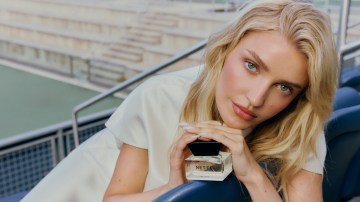
“I loved the Jacquemus campaign for the new Valérie bag for so many reasons. … It was deeply human and allowed the story to unfold in an authentic way without over-explaining. As we enter 2026, it’s a powerful reminder that when we lead with meaningful storytelling and we’re intentional on how we show up, it resonates on a deeper emotional level. What was beautiful about the campaign is that the piece trusted the audience to feel rather than be told. It was deeply human, it centered on a real moment, and didn’t over-narrate or over-brand any of the elements. … It felt intimate and honest — we were being invited into this private moment that was deeply tied to the designer, rather than being marketed to. It’s a reminder that when storytelling is rooted in authenticity, a universal truth and simplicity, it creates space for consumers to project their own experiences and emotions, which is where the real connection happens. And when a brand connects on that level, it moves beyond just admiration into loyalty. People feel seen and become emotionally invested, which is ultimately how some of the strongest brands are built.”
Camille Moore, brand strategist and founder of Third Eye Insights, which works with Saks Fifth Avenue, Olaplex and L’Oréal:
“Kimsmas Live! on TikTok was my favorite activation of the year because Skims did something every other major brand was too scared to try. Gary Vee [Vaynerchuk] has been screaming about livestream commerce for years. Everyone ignored him. Brands watched it work in China and saw the infrastructure become available here, and still didn’t move. The excuse was always the same: too risky, too much production investment, we need someone else to prove it works first. Kim said, ‘Fine, I’ll prove it.’ She hired the producer behind Netflix specials and the director who filmed Taylor Swift’s Eras Tour. She brought out Kris Jenner in diamonds and silk pajamas and Snoop Dogg to make holiday cocktails, and turned it into a 45-minute variety show with instant checkout. She treated it like television, not social content. That’s why it worked.
What made it brilliant is that she collapsed the entire sales funnel into 45 minutes. Traditional e-commerce takes weeks. You see something on Instagram, you browse later, you read reviews, you add to cart, you abandon it, you come back three days later and maybe you buy. Kimsmas made all of that happen simultaneously. You’re watching, you see something you want, you buy it without leaving TikTok. The entertainment is the storefront.
TikTok Shop is doing $60 billion to $70 billion this year — more than Sephora and Ulta combined. Live shopping infrastructure exists, but most brands are still debating whether livestream commerce is worth their time. The lesson I’m taking into next year is that the brands winning right now aren’t the ones with better products. They’re the ones willing to use new tools and do things differently to break the algorithm.”
Other sources of marketing inspiration
Ashley Schapiro, vp of marketing, media, performance and engagement at American Eagle:
“This one might surprise you, but Dictionary.com named ‘six seven’ the Word of the Year for 2025. So, this generational inside joke that everyone over the age of 18 is simply just scratching their heads about has become viral and so important that it is documented in the dictionary. This is also one of the first trends for Gen Z and Gen Alpha — which I spend most of my career focused on — that I learned about from my kids instead of my team. How it happened was I started hearing them talk about it on the football fields and on the basketball court, and then it started radiating through my home through iPads and screaming, and these little moments that I was catching my kids do — not just with their friends, but together. The reason I’m so inspired by this, and what I’m taking into the new year, is: Simplicity, something nonsensical, combined with the power of social and the power of influencers, has the opportunity to go viral. People are inspired by simplicity because, at the end of the day, they just want to have fun — that’s all anyone wants. [They] want to feel connected by something — a phrase or a word. [There’s an] ‘If you know, you know’ kind of vibe to it, and at the same time, we all just want to have a good laugh.”
Inside our coverage
Glossy 50 2025: The people who shaped fashion and beauty this year
Exclusive: Herbivore bets big on body care with a 15-piece collection and arrival at Ulta Beauty
Exclusive: Target continues to lean into K-Beauty with the addition of Haruharu Wonder
Reading list
Urban Decay taps Mariah the Scientist, looks to lure Gen Z