



 Retailers are hyping QR codes as key to safe shopping
 Despite being around since the 1990s, QR code technology has never made a truly noticeable impact on the world of retail. But the pandemic is leading fashion brands and retailers to try anything to convince customers that stores are safe, disinfecting constantly, limiting foot traffic and making as much of...
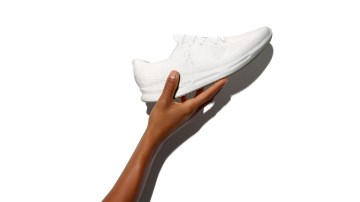 Running shoe brand On launches a sneaker membership model
 The service, which launched on Sept. 15, is $30 a month. To start, subscribers get a pair of On’s Cyclon running shoes, which are made from recycled materials. Six months in, they get a new pair of Cyclons sent to them in the mail, and they send the old shoes...
 Suitsupply bets on New York’s retail recovery with expansion of SoHo store
 On Thursday, the brand opened two new additional floors and the rooftop of its NYC store in SoHo, which was previously only two floors. The added floors will mainly be used for one-on-one shopping appointments and private events. De Jong said his hope is that the pent-up desire for shopping...
- Ahead of winter, fashion brands prep for the loss of outdoor events
When the pandemic began, in-person indoor events went out the window, but many brands were able to maintain at least a part of their hosting routine by moving things outdoors, to sidewalks or rooftops. But with the winter months fast-approaching, that lifeline can only work for a limited time.
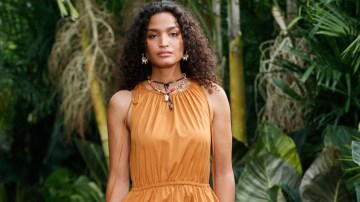 Inside the numbers: NYFW’s media value was muted this season
 Media impact value was down for nearly every brand, thanks a lack of in-person shows and big-name celebrity attendees capable of drawing attention. The numbers are no surprise, and they challenge the notion that a mostly digital NYFW could draw comparable buzz to the real thing.
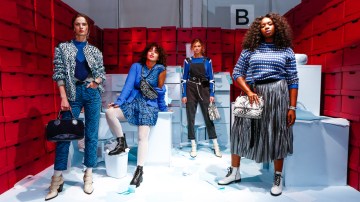 Why the 15% off first-order discount is gaining importance among fashion brands
 On nearly any e-commerce site today, you can find a familiar pop-up. “Take 15% off your first order when you sign up for our mailing list.” It’s a tactic so common that it’s become practically invisible -- even to the brands that use it don’t always pay attention to its...
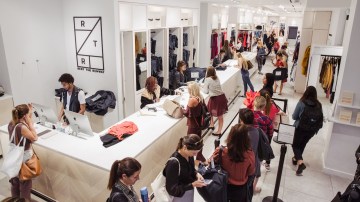 Rent the Runway axes the Unlimited model
 When Rent the Runway launched an Unlimited rental model in 2016, seven years after the company was founded, it helped rocket the company to success. Now, amid pressures from the pandemic, the company is discontinuing unlimited rentals, switching to a three-tiered model.
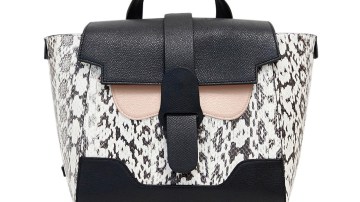 Credibility, reach and physical footprint: Senreve’s Coral Chung on weighing retail partners
 On this week’s Glossy+ Talk, Coral Chung, co-founder and CEO of Senreve, spoke about how her brand has navigated the different sales channels, what pros and cons she sees in each, and how she weighs which retail partners to work with.
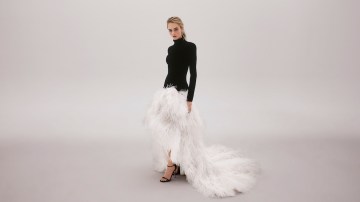 ‘A long way to go’: How Luxury Stores overcorrected Amazon’s lack of exclusivity
 Amazon’s main appeal to brands is its scale, but out of the gate, the platform doesn’t make much use of its 112 million Prime members. Luxury Stores is launching with only one brand, Oscar de la Renta, and is invite-only, with the first round of invites going out yesterday.