This is an episode of the Glossy Fashion Podcast, which features candid conversations about how today’s trends are shaping the future of the fashion industry. More from the series →
Subscribe: Apple Podcasts • Spotify
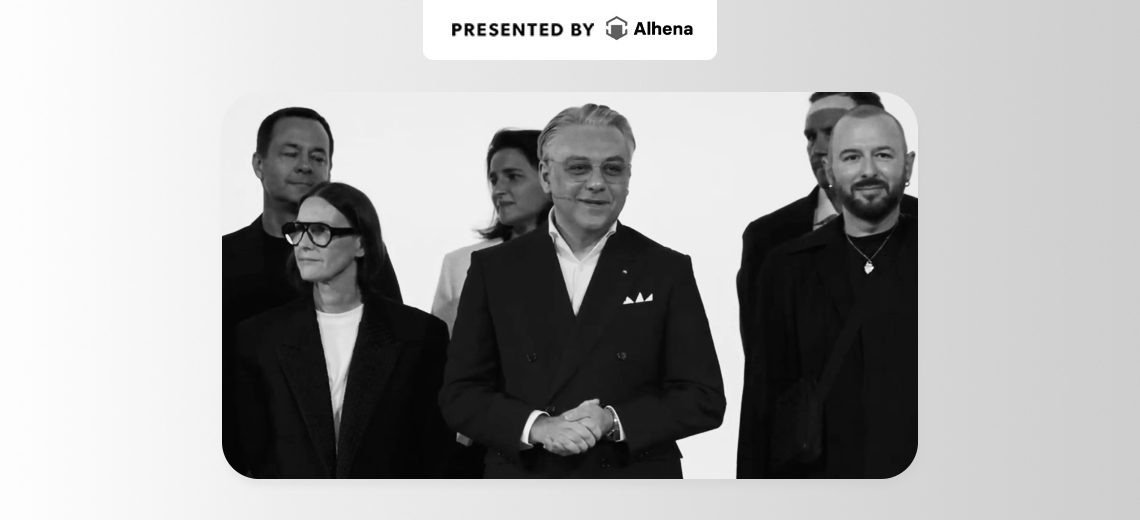
Kering’s new CEO, Luca de Meo, laid out a sprawling plan to turn the company around. After several years of slow but notable sales declines, particularly at its crown jewel, Gucci, Kering needs a new strategy.
On the Glossy Podcast, senior fashion reporter Danny Parisi and international reporter Zofia Zwieglinska discuss what was wrong with Kering’s previous strategy, what de Meo’s new plan entails, and how likely it is to succeed.
The old model isn’t working
In the past few years, Kering has taken on a significant amount of debt. And while it has reduced the debt load over the last year, it remains at around $8 billion.
Spreading the company too thin, including opening 1,700 stores around the world, taking on new acquisitions, and “trying to give everything for everyone,” according to de Meo, all had a wearing effect on the business’s health.
“The debt is obviously a big issue,” said Zwieglinska. “And it has been increasing over the last 10 years, so the debt pool hasn’t been getting smaller. They’ve felt they had to keep up with the competition, like LVMH, in terms of acquisitions.”
ReconKering
De Meo’s plan is far-reaching and encompasses specific goals for every brand in the portfolio. Zwieglinska covered many of the details in last week’s Luxury Briefing.
The plan’s biggest ideas include reducing debt by pausing Kering’s acquisition of Valentino and by selling its beauty business to L’Oréal.
For Gucci in particular, Kering plans to reduce the brand’s SKU count by 20%. That, along with focusing on profitable sectors like jewelry and leather goods, will hopefully help rebuild some of Gucci’s prestige.
“Kering has dedicated jewelry brands like Boucheron, but also fashion brands with jewelry segments like Saint Laurent, so they are well-positioned there,” Parisi said. “But the space is very competitive. Richemont has tons of iconic jewelry brands, LVMH has Tiffany. They are up against a lot there.”
Will it work?
It’s too early to say, but we found de Meo’s plan to be sensible and thorough.
“The fact that he’s focusing so much on defining these different brand identities seems smart,” Zwieglinska said. “They don’t want to rely so much on Gucci. They talked a lot about growing the other brands. They don’t want a system that’s reliant on one brand to support everything, which seems a bit stupid when you look at the plethora of brands they have in their portfolio.”
One of the biggest unknown factors, and one that is out of Kering’s control, is the war in the Middle East, which is having a significant effect on the luxury industry as a whole.
But Kering is investing heavily in emerging markets like Nigeria, Brazil, Mexico, and India to avoid an over-reliance on the Middle East.