This week, a look at the major takeaways from Watches and Wonders in Geneva and what they reveal about the broader luxury fashion market.
At Watches and Wonders, the watch industry’s biggest trade show, which wrapped up this week, brands like Patek Philippe and Audemars Piguet roll out exciting new watch releases.
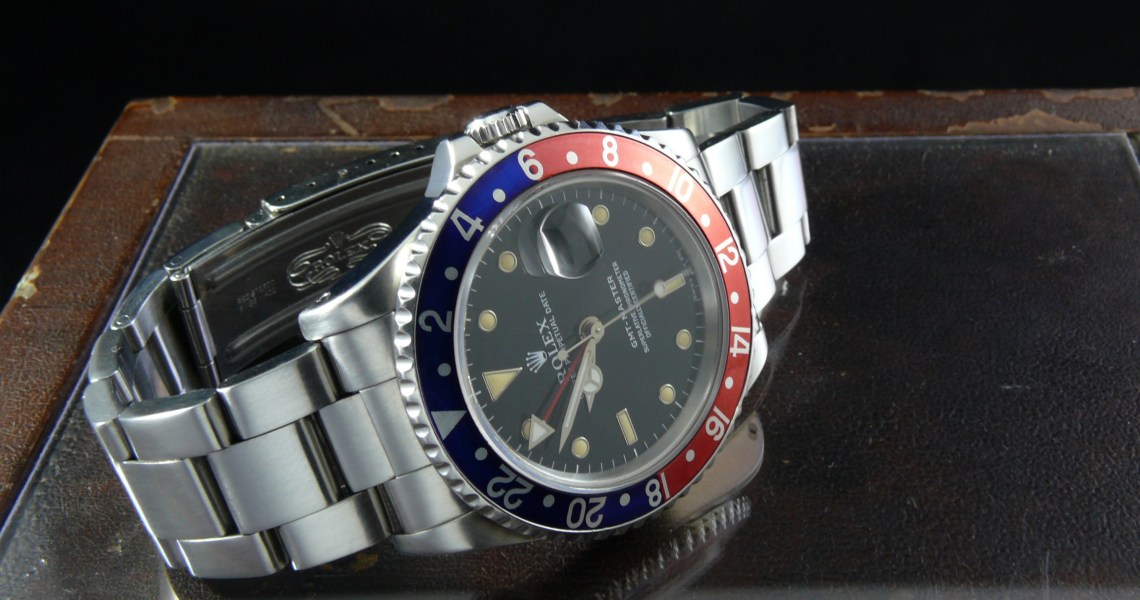
But this year, Rolex used the opportunity to announce the discontinuation of several popular models, including the red-and-blue GMT-Master II, unofficially nicknamed the “Rolex Pepsi” watch, and the blue-and-black Submariner Date, nicknamed the “Cookie Monster.”
The discontinuation of the Pepsi is a “seismic moment” in the watch industry that will be discussed for decades, according to Bob’s Watches CEO Paul Altieri.
“The Pepsi isn’t just one of Rolex’s most popular models, it’s also a foundational piece of modern watch culture,” he said.
The red-and-blue colors of the Pepsi were introduced in 1955 and formed the visual blueprint for decades of Rolex GMT-Master watches, as well as legions of imitators. Now, every Pepsi variant, including those in different metals like steel or gold, is completely retired.
So, why would Rolex discontinue one of its most iconic watches? It has to do with a larger trend in luxury right now: scaling back on production volumes to better control demand.
According to Robertino Altieri, CEO and founder of the Los Angeles-based watch dealer WatchGuys, Rolex, like many luxury brands, is seeking the right balance between scale and exclusivity.
“Controlled supply increases demand,” Altieri said. “We see it with stainless steel models from Rolex, like the Panda. It costs under $20,000 direct from Rolex, but it has a huge markup on the secondary market. You see the same effect in fashion, handbags and jewelry. Local dealers started removing the Pepsi about a month ago, and you could immediately see the prices going up.”
Rolex’s decision to discontinue the Pepsi watch immediately increased demand for it. According to data the watch marketplace Chrono24 shared with Glossy, demand for the watches surged 500% above 2025 averages after the news was announced. Meanwhile, active listings for Pepsi watches dropped by 25% in the same period as sellers pulled inventory, likely to hold onto it and sell it at a later date as demand increases.
Cartier showcased the other side of this strategy. This week, the company reintroduced the Roadster, a model that had been discontinued since 2012. Purchase requests for Roadsters surged tenfold, according to Chrono24’s data, spurred by renewed interest in the model from Cartier’s announcement.
“The Pepsi reaction follows a pattern we’ve seen before: Once discontinuation is confirmed, the market moves fast,” said Chrono24’s head of brand engagement, Balazs Ferenczi. “But the Cartier Roadster effect adds a new dimension. Instead of just creating ‘new model’ hype, a relaunch rehabilitates the original’s reputation.”
Across the fashion and luxury industries, brands are working to rein in the volume of products on the market to help increase exclusivity and desirability. For example, last week, Kering announced as part of its strategy to overhaul Gucci that it would be reducing the brand’s SKU count by 20%.
Brands like Rolex and Gucci face a complex balancing act between scale and exclusivity. Growth is good for business, but too much product flooding the market can damage brand perception. The Rolex Cookie Monster watch, which was also discontinued, was one of the few Rolex models selling for less than its retail price on the secondary market, according to Robertino Altieri.
“After a few years of excess, the industry is recalibrating around a smaller, more concentrated high-end buyer base,” said Quaid Walker, the co-founder and CEO of online watch marketplace Bezel. “The tone feels less reactive than it did a couple of years ago, and more intentional, which usually signals that the market is stabilizing.”
Tim Richardson, co-founder and CEO of the watch marketplace Exquisite Timepieces, told Glossy that maintaining brand desirability is the biggest challenge for high-end brands right now.
“Brands have to manage supply carefully,” Richardson said. “Too much scarcity frustrates customers, but too much availability can hurt exclusivity. On top of that, many brands need to attract a new generation of collectors without losing the heritage and identity that made them desirable in the first place.”
Discontinuing a coveted but increasingly widespread product is one way to let demand build back up over time. Rolex didn’t respond to a request for comment on this story, but the dealers Glossy spoke with expect that the Pepsi colorway will be re-issued at some point in the future.
Reduced volumes can also help justify higher costs. With luxury brands routinely increasing their prices over the last year, they’ve risked of alienating customers.
“Prices have moved up significantly over the last few years, and some consumers are starting to question value,” Richardson said. “At the same time, younger buyers have more options than ever for where to spend money, including travel, technology, fashion and experiences.”
Fashion news to know
- In other watch-related news, Timothée Chalamet invested in and will become a creative advisor to the Danish watch brand Urban Jürgensen.
- Unlike many other luxury brands, Moncler has seen a much smaller impact from the war in Iran, per its earnings this week. Its Asia sales rose 22%, now comprising about half of Moncler Group’s revenue.
- Thanks to a boost from its partnership with Meta, EssilorLuxottica also saw increased revenue, with an 11% sales boost reported in its latest earnings.
Glossy’s fashion coverage
- Uniqlo bets on neighborhood stores to scale US growth, starting in New York
- Glossy Research: 3 out of 4 brand leaders are using AI for data analysis, but ROI on AI spend remains modest
- Cider joins Revolve and Shein as online fashion brands open permanent retail stores
- Glossy+ Research: Expectations around AI are straining brand-agency relationships