This is an episode of the Glossy Fashion Podcast, which features candid conversations about how today’s trends are shaping the future of the fashion industry. More from the series →
Subscribe: Apple Podcasts • Spotify
Wearable tech is having a moment.
Partly based on early reads about the success of Meta’s Ray-Ban glasses, Meta just signed a 10-year lease for a physical store in Manhattan that will sell them. Meanwhile, Apple is set to launch its own competitor smart glasses soon, while Google is teaming up with Warby Parker on a similar product.
But wearable tech, especially targeted toward a mainstream or fashion audience, has been hard to crack. For every successful product like the Meta Ray-Bans, there have been expensive flops like Google Glass and Apple’s Vision Pro. For the Glossy Podcast, senior fashion reporter Danny Parisi, international reporter Zofia Zwieglinska and editor-in-chief Jill Manoff were joined by wearable tech expert Janey Park to discuss why some products take off and others fail.
We broke it down into five rules for a successful wearable tech launch.
Make it stylish
One of the most common complaints about Google’s ill-fated smart glasses, Google Glass, was that the product was goofy-looking. The product looked less like a standard pair of glasses and more like a device from “Star Trek.”
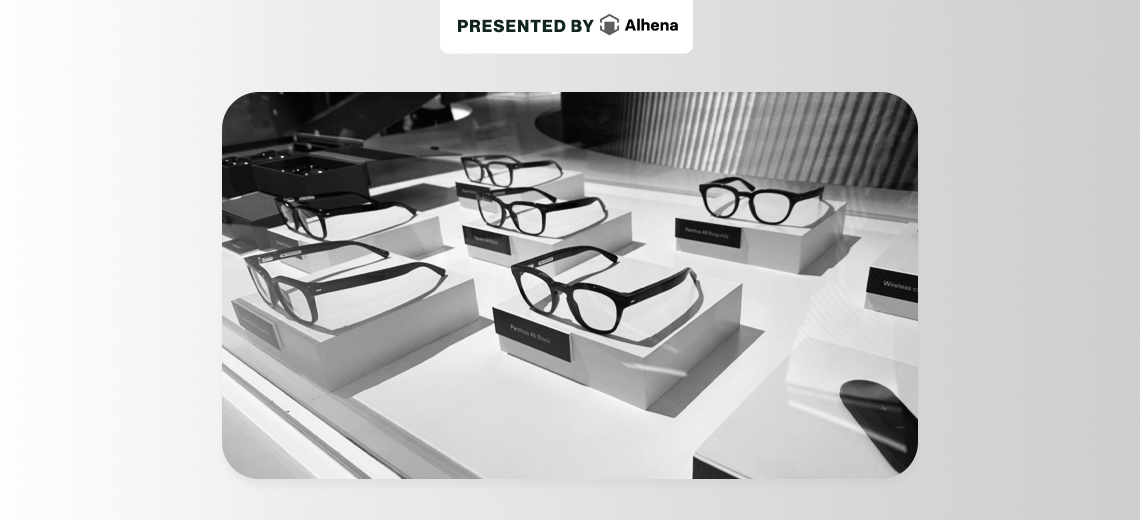
In contrast, the Meta Ray-Bans resemble a classic Ray-Ban Wayfarer silhouette. Other successful tech products, like Garmin’s line of smartwatches, often don’t look much different from their analog counterparts.
“With Meta Ray-Ban, you can’t really tell that you’re wearing anything different than a regular pair of Ray-Bans,” Manoff said. “They look chic and, more importantly, normal.”
Make it useful
Between a laptop and a smartphone, there are relatively few tasks that anyone really needs another device for. And some of the most notable flops in wearable tech have been products that offered little practical value.
For example, the Humane pin and other AI-powered pendants and pins have been met with significant criticism over their value and use cases.
“Smartwatches have a lot of obvious use cases, like tracking your fitness data,” Parisi said. “A lot of failed tech products just don’t have any compelling reason to use them in place of a phone or another device you already own.”
The fashion connection
Many of the most successful products are made in collaboration with actual fashion brands. Meta and Ray-Ban is the obvious one, but also, Apple worked with Hermès to make watch bands for the Apple Watch, and Google is partnering with Warby Parker.
The involvement of legitimate fashion brands adds a lot of credibility and cool factor that the tech companies, for all their money, often lack.
“Fashion and tech needs to have the fashion involved,” Park said. “The difference between wearable tech and what I call ‘wearable fashion tech’ is that you need the fashion brands to really connect the dots. And there are some products, like the Apple Watch, which I don’t even really consider to be ‘wearable fashion tech,’ because they don’t have that element.”
The influencer effect
While many wearable tech products have launched with paid celebrity ambassadors, it’s the organic adoption by influential people that really moves the needle.
Whoop, a fitness tracker, launched with soccer legend Cristiano Ronaldo as one of its ambassadors, but now it’s being worn organically by other popular athletes, like fellow soccer star Erling Haaland, without any promotion, which adds to the authenticity.
“We are still a while away from seeing more traditional beauty influencers wearing some of these products,” said Zwieglinska. “The moment Alix Earle wears a piece of wearable tech, its sales will explode.”
The right price
Lastly, the price has to be just right.
Apple’s Vision Pro goggles were already a hard sell for a few reasons — not least their bulky, unappealing design — but the staggeringly high $3,500 price tag was the nail in the coffin.
Since its launch, the Vision Pro has widely been considered a disappointment, with Apple cutting production due to poor sales.
“It needs to make sense to the consumer,” Park said. “If you want something to be a mass product, it needs to be priced accordingly. But Meta had done things like release a limited edition version of the Ray-Bans with Coperni that were priced higher and were more exclusive.”