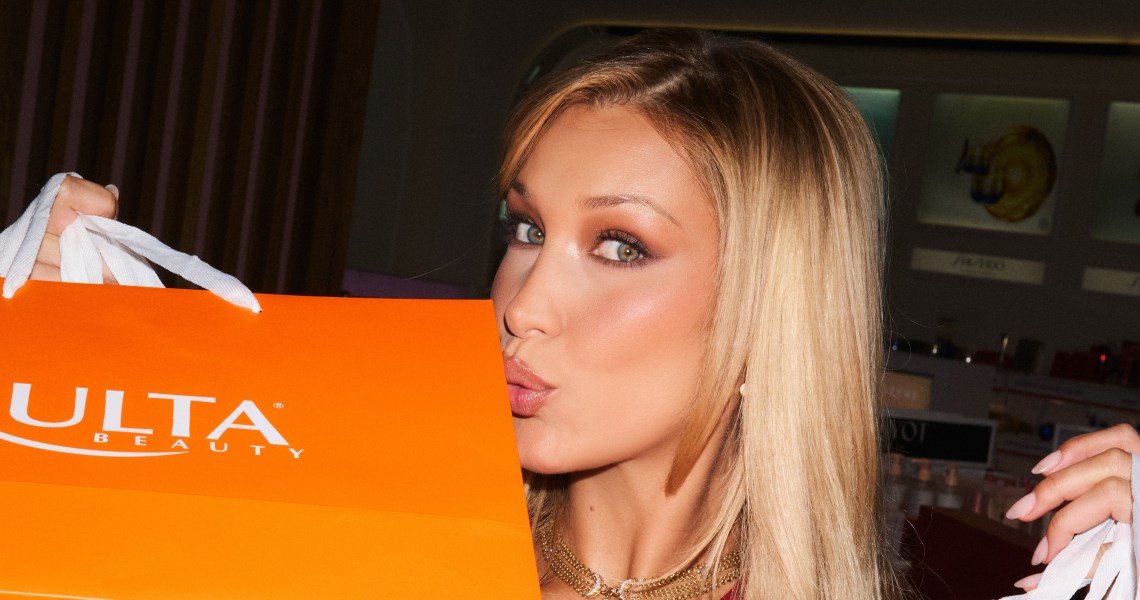
Ulta Beauty has expanded its footprint to Mexico and the Middle East in recent years. Now, the Illinois-based beauty retailer has its sights on another new market: Times Square.
On Tuesday’s quarterly earnings call, Ulta CEO and president Kecia Steelman shared plans to expand its U.S. business, including a new fulfillment center in Salt Lake City and increased leverage of AI and same-day delivery services. The upcoming Times Square store will be an “experiential” location focused on events and customer experience.
“This flagship store will be a vibrant, dynamic destination where technology, entertainment, convenience and our differentiated assortment come together to deliver immersive guest experiences and brand activations,” said Steelman. “This store will showcase next-level brand building and storytelling capabilities, unlock high-impact marketing through digital billboards, and drive greater awareness and loyalty with guests from all over the United States and the world.”
In contrast to Sephora, Ulta has a relatively limited presence in New York City. The retailer has three Manhattan locations, while Sephora has more than a dozen.
Steelman said she wants to build multiple brands that can achieve over $100 million in sales. She noted TikTok Shop, which Ulta announced its plans to join in its Q4 2025 earnings call, as crucial to helping the retailer build out its exclusive brands.
“This new channel positions Ulta Beauty at the center of a critical discovery point and will enable us to spotlight our exclusive brands, build influence and fuel our marketing efforts, particularly with younger consumers turning to brand building,” said Steelman.
Ulta achieved net sales growth of 11.1% in Q1 2026. Fragrance was the strongest growth driver for the quarter, delivering growth in the “high teens” and increasing its share of Ulta’s overall revenue from 11% to 12%. Growth was primarily driven by core designer brands like YSL and Carolina Herrera, while Steelman also identified Noyz’s “Mylk” perfume format as a growth driver.
Mass makeup was flat for the quarter, while the skin-care and wellness categories achieved low single-digit growth. Hair care achieved high single-digit growth, driven largely by the prestige category.