This is an episode of the Glossy Fashion Podcast, which features candid conversations about how today’s trends are shaping the future of the fashion industry. More from the series →
Subscribe: Apple Podcasts • Spotify
On the Glossy Podcast, senior fashion reporter Danny Parisi and international reporter Zofia Zwieglinska break down some of the biggest fashion news of the week.
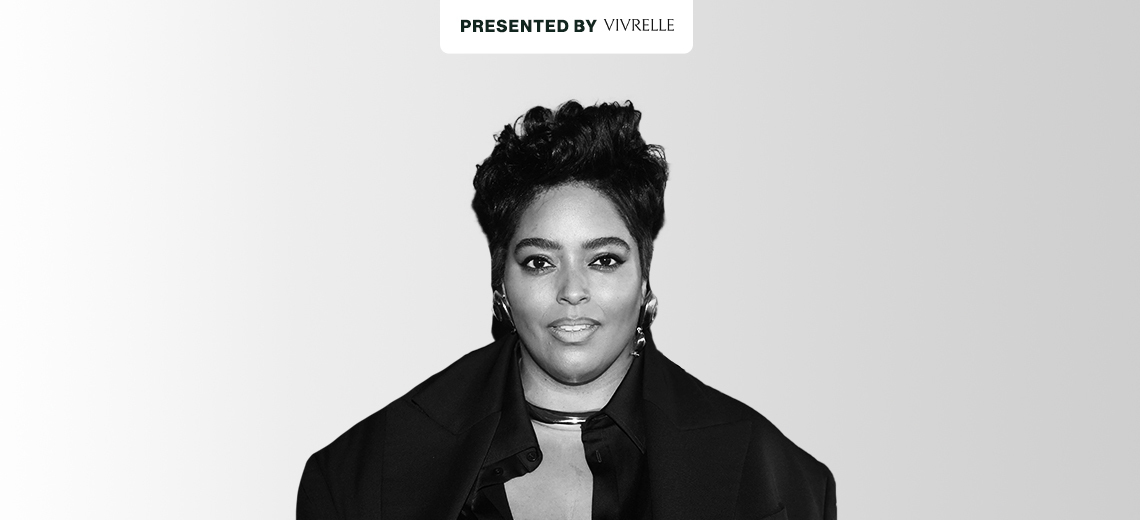
This week, Zwieglinska sat down with stylist Courtney Mays, who has styled some of the biggest names in the NBA, including LeBron James, Chris Paul and DeAndre Jordan. With the NBA All-Star Weekend around the corner and more attention than ever on players’ style, Mays spoke about the convergence of sport and fashion and the work that goes into dressing an NBA player. Below are some highlights from the conversation, lightly edited for length and clarity.
The sports-fashion connection
Mays: “There is a greater emphasis on fashion in basketball, from the league and from pop culture, compared to when I started. We were and are trying to open the doors for athletes to be part of the fashion conversation. Now, obviously, we’re in this moment where sports and fashion are becoming synonymous. These athletes are tastemakers and influencers, and then they get grand endorsement deals and billboards in the fashion space. They say I’m kind of the auntie in the styling game, a veteran, but I’m proud because when I started, that was the goal. And I’m proud to know I was part of that journey.”
The birth of tunnel fits
“When I started, the goal was to define what business casual meant for these athletes. And there are a lot of racial implications with that dress code. Baggy jeans, Timberlands, large jewelry — that was the style. And basketball and hip-hop are so connected, and we’re talking about a league that’s majority Black men. In 2005, after incidents like the Malice at the Palace [an infamous brawl between players and fans], the league wanted to distance itself from these terrible stereotypes about basketball as dangerous or scary. And I think they used fashion to disconnect from that. And I hate that, but it also opened the door for me professionally.”
Misconceptions about brand relationships
Mays: “There’s a lot of misconception about how athletes and celebrities get clothes. As a regular person, you might think designers are just throwing clothes at them and they get everything for free. It’s a glamorous illusion, but what you lose is that there are people like me: stylists, PR agents and whole teams who champion these athletes and reach out to designers, pitching the athlete to be part of their storytelling. There’s lot of relationship building that goes into it.”
The roadblocks to luxury brands
Mays: “Luxury brands, it seems, if you read the headlines, are always like, ‘We love sports, and we’re putting these guys on the covers of magazines.’ But in reality, it’s sometimes a struggle to get the clothes. There’s a fear about size. There’s a lot of size discrimination in fashion, so it’s sometimes hard to get a brand to send you a size 52 jacket for an NBA player. But it’s getting better, and more showrooms are expanding their size options for stylists. And I can’t help feeling there’s a little bit of a race issue there, as well. It’s not always as easy for Black men, Black women and queer women who make up these leagues to find the right sizes.”