This is an episode of the Glossy Fashion Podcast, which features candid conversations about how today’s trends are shaping the future of the fashion industry. More from the series →
Subscribe: Apple Podcasts • Spotify
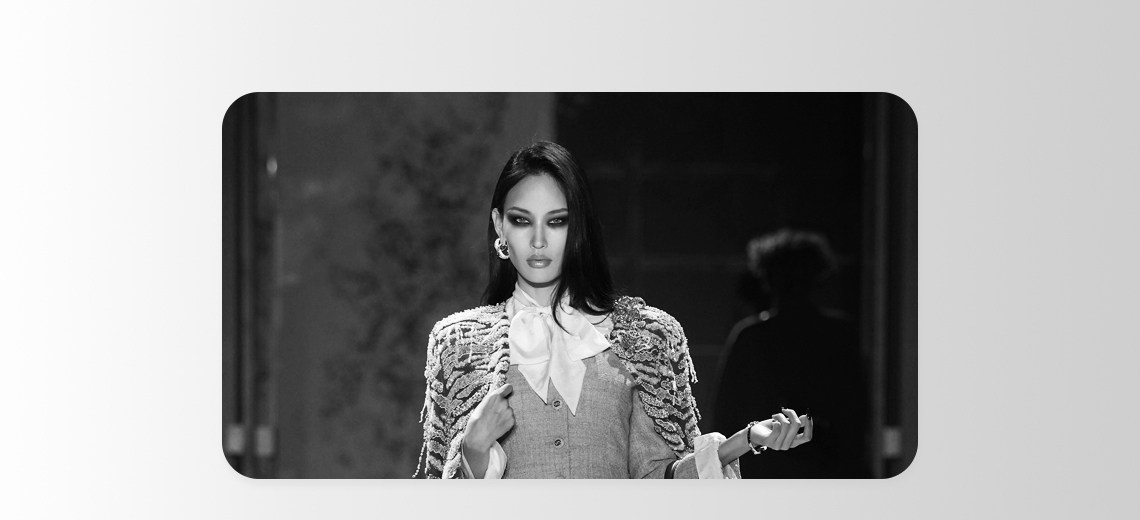
Milan Fashion Week wrapped earlier this week, and now that the dust has settled, it’s clear there were several striking themes. Many of them centered on maximalism. As quiet luxury fades away, Milan showed a return to the more extravagant dressing of previous years.
On the Glossy Podcast this week, hosts senior fashion reporter Danny Parisi, international reporter Zofia Zwieglinska and editor-in-chief Jill Manoff broke down three of the major themes they saw at Milan Fashion Week.
Maximalist Pile-on
Manoff noted that many of the shows at this season’s Milan Fashion Week were all about the “more is more” ethos. Collections from Jil Sander and Dolce & Gabbana often combined multiple prints and patterns in busy outfits that embraced chaos and clash.
Many of the looks were rumpled, imperfect and rejected minimalist perfection.
“It gave the collections a welcome jolt,” Manoff said. “It was really about how it was all pieced together. More clothes on the body gives you the opportunity to show off more pieces. And it just felt very joyful.”
Experimental footwear
On a similar note, Parisi pointed out that the footwear across Milan Fashion Week was experimental and bold. Brands like Dolce & Gabbana and Bottega Veneta showed off daring new footwear silhouettes that didn’t fade into the background. Jewel-encrusted high boots, fishnet and mesh sandals, and sandals with stacks of flip-flop soles were all on display.
One notable absence, though: sneakers. While sneakers were one of luxury fashion’s biggest disruptions of the last decade, and a grand opportunity for brands to introduce big, bold designs into their collections, there was a lack of interesting sneakers this season. Most experimentation focused on heels, flats and sandals.
“Onitsuka Tiger had a really interesting show,” Parisi said, referring to the Japanese sneaker brand. “But even there, their most interesting shoes were kitten heels and stilettos.”
Making customers part of the show
For Zwieglinska, the most notable aspect of Milan Fashion Week was how brands brought customers into their shows and showcased the clothes in more naturalistic settings.
These experiments ranged from Gucci setting up a fake store as part of its runway, as if the models were walking right out of a Gucci store and into the street, to Moschino having extras in everyday clothes walking in the opposite direction of the models wearing the collection.
“It was very interesting, given our past conversations about whether luxury is sellable and accessible,” Zwieglinska said. “It showed how the collections might actually look outside, rather than just in the stylized environment of the runway.”