This is an episode of the Glossy Fashion Podcast, which features candid conversations about how today’s trends are shaping the future of the fashion industry. More from the series →
Subscribe: Apple Podcasts • Spotify
The last year has seen the U.S. labor market enter a challenging position. Layoffs at major companies like Amazon, Microsoft and Verizon have put more people out of work while costs of living are rising.
The fashion industry wasn’t spared. Saks Global is laying off 16% of its workforce, and other major fashion brands, like H&M and Nike, have made staff cuts.
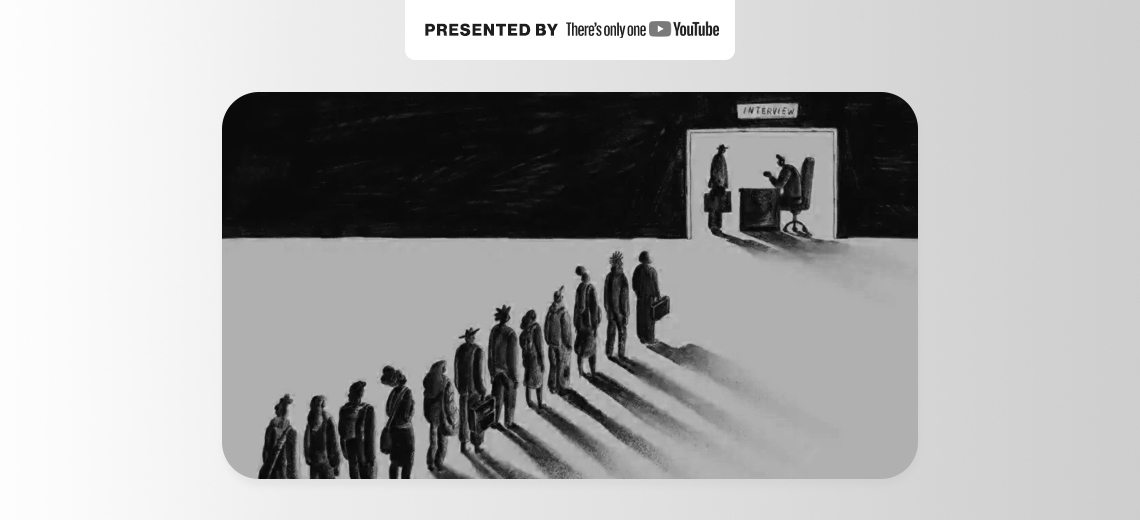
For people just entering the fashion industry, it’s a daunting proposition. On this week’s Glossy Podcast, senior fashion reporter Danny Parisi spoke with Keith Fraley, a professor of fashion business management, about the challenges facing new graduates and others seeking entry-level roles in the fashion industry.
One of the biggest changes Fraley has seen is that the training period for new employees is much shorter than it used to be.
“The businesses are expecting immediate contribution from their new hires,” Fraley said. “And before you can contribute, you need to show that you know what the job entails, that you understand how the business makes money, because they want to see people making an impact in their role relatively quickly after they’re hired.”
Fraley has seen far more students who are interested in the creative side of the business, including design and product development, taking more business-oriented classes. That reflects a shift in the labor market, where more applicants are competing for fewer openings and need more ways to demonstrate their value and versatility.
One of the most pressing concerns in fashion employment is AI. A recent Vogue Busines survey of 300 current and aspiring fashion workers found that only 32% of students feel positive about the role that AI will play in their careers. Most believe that AI will further reduce the number of available jobs.
Fraley was more optimistic, while acknowledging the concern.
“Repetitive tasks, basic analysis might be automated,” Fraley said. “But that will just increase demand for strategic thinking and creative interpretation. I don’t think AI will replace many fashion roles, but it will certainly reshape them.”