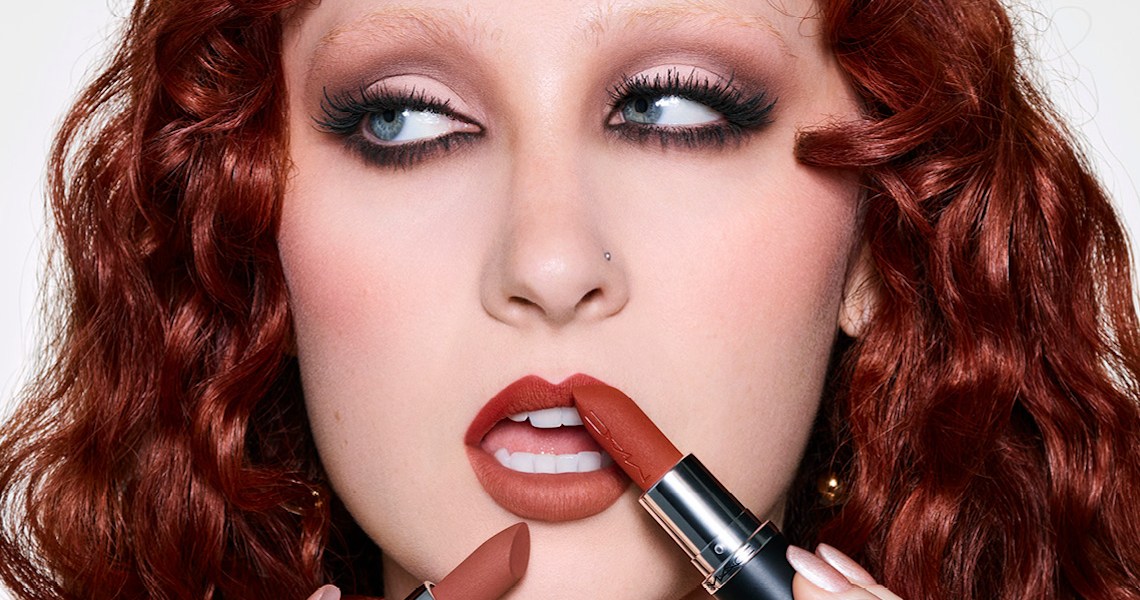
On March 2, longtime makeup fans will see something they may have never thought possible: For the first time in the brand’s 40-year-history, MAC products will be sold at Sephora U.S. stores.
MAC has long since been available in international Sephora markets like Canada and the U.K. But in 2026, the stars have aligned to make it a viable addition to Sephora’s U.S. fleet: MAC, thanks to a new creative director in Nicola Formichetti, fresh talent like pop star Chappell Roan and a rebounding makeup category hungry for color, is bouncing back to cultural relevance.
“Our clients have been asking for us to carry [MAC] in the U.S. for a long time. And I think the time was right. The brand has really done a lot of work recently. They’ve had a new leadership team, and they’ve done a ton of work reconnecting to their core values,” said Amy Abrams, svp of makeup merchandising at Sephora. “We’re seeing a real return to makeup maximalism. We’re super focused on building out our artistry assortment. And it really doesn’t feel complete without having MAC be a part of it.”
And MAC’s parent company, The Estée Lauder Companies, is a year into its “Beauty Reimagined” turnaround plan, which calls for meeting customers in new channels to survive in a competitive market. As brands must now prioritize an omnichannel strategy to capture consumers at numerous touchpoints, from TikTok Shop to Amazon to in-person pop-ups, for MAC, that now includes Sephora.
“We’ve been talking as a corporation about consumer coverage and being where the consumer is. And so this is just a natural extension of that overall strategy,” said Cori Reinartz, svp and gm of MAC North America. “We feel like it’s additive, and we’re really touching a new consumer. And beyond that, there’s so much momentum for the brand.”
When MAC entered Ulta Beauty in 2017, it was a chance to be one of a few artistry-driven makeup brands rather than compete with similar prestige offerings at Sephora, like Makeup Forever. But neighboring fellow prestige brands can be a feature rather than a bug.
“That has now changed,” said Queenie Lo, president of spatial at design and strategy agency FutureBrand. “The consumer nowadays shopping for makeup is, I would say, maybe less loyal, more curious. … You almost would need to be [at Sephora] to be considered [alongside] Fenty, Rare Beauty, all of that.”
Today’s Sephora consumers may range from lapsed MAC fans who have ventured to other brands to Gen Z consumers who may have never tried the brand to begin with. Like its February collaboration with Gen-Z-friendly secondhand retailer Depop or its 2025 launch on TikTok Shop, going to Sephora is a chance for MAC to reintroduce itself to consumers old and new.
“Sephora is going to be another environment in which we can go after that [Gen Z] consumer, because they too over-penetrate with that age demo. But it’s also a highly diverse consumer,” said Reinartz.
MAC’s rollout will see the brand acquire shelf space across 105 of Sephora’s top-performing freestanding stores and all 855 of its Kohl’s shop-in-shop locations. The LVMH-owned retailer will stock MAC core products like Paint Pots and Studio Fix Fluid foundations, and will also debut the Multisculpt Matte Liquid Colour, a multiuse $24 liquid sculptor for face and eyes, as a Sephora exclusive.
Such launches are crucial to differentiate MAC’s Sephora assortment from its other retail partners, which include department stores like Nordstrom along with Ulta. The two will also partner on in-person pop-ups and activations, including at Sephora’s Times Square location.
But MAC still operates 92 freestanding stores across the U.S., sometimes in the same neighborhood as a Sephora. Lo said brands like MAC should still consider how to give consumers a reason to come to those owned channels.
“A lot of brands function like your core bread and butter should be Sephora. And then, there’s a next level of experience that you offer in your own stores,” said Lo. “It would be a great opportunity for MAC stores [to cater to] the next level of customization, for example — because that’s not something Sephora would offer. Maybe it’s a bespoke collection that you can just buy there, to drive traffic to your own store. Nowadays, the biggest players have wholesale and retail, and they need to exist next to each other.”
Reinartz said MAC looked at the brand’s performance at Sephora stores in neighboring markets like Canada to determine its U.S. product assortment. But crucial to reaching the U.S. market will be a comprehensive shade range within products like foundation.
“You’re not going to see every single foundation that we have to offer. You’re not going to see every single lip that we have to offer,” she said. “But you’re going to see us go deep in terms of shade in the areas we show up with. And that was super important as we went in and thought about our launch strategy.”
Sephora has developed a reputation for incubating exclusive brands, such as the sensitive-skin-friendly Tower 28 and makeup artist-founded lines like Fara Homidi and m.ph by Mary Phillips. With MAC, Sephora will have to lean on tools other than exclusive distribution or a visible founder.
“MAC has a huge level of awareness. That’s not where we need to lean in,” said Abrams. “Where we need to lean in is to drive the awareness and retailer connection that they are now at Sephora. And then, obviously, differentiation is always a part of our strategy — whether that’s differentiated and exclusive marketing campaigns or product, which we’re always looking for.”
MAC is also entering Sephora at a time when consumers are craving more color, after years in which beauty has been led by skin care and fragrance. Spanish conglomerate Puig reported a 20.9% growth in net revenue in its makeup division in the fourth quarter of 2025, led principally by makeup artist Charlotte Tilbury’s glamorous namesake line. But ELC has not quite found its momentum in makeup; the conglomerate reported a 1% decline in makeup for Q2 of fiscal year 2026.
There are plenty of options for consumers to find color at Sephora, including at the booming Charlotte Tilbury line. But to win over Sephora consumers, perhaps all MAC has to do is be itself.
“This whole ’90s resurrection is something that is speaking very well in terms of overall consumers, whether that’s beauty, whether that’s fashion. People really hunger for a certain nostalgia. And I think the brands that have a heritage should lean into the heritage,” said Lo. “MAC always stood out in terms of theater, movies, and makeup, and they should lean very heavily on diversity and inclusion. They really own that type of platform, and a lot of people really resonate with that.”