This is an episode of the Glossy Beauty Podcast, which features candid conversations about how today’s trends are shaping the future of the beauty and wellness industries. More from the series →
Subscribe: Apple Podcasts • Spotify
Artificial intelligence is the undisputed main character of 2026, showing up everywhere from the wedding industry to perfume creation. But even while AI’s place in society remains contentious — in the buzzy “The Devil Wears Prada 2,” AI is a bigger antagonist than Miranda Priestly — beauty brands and retailers are rushing to adopt AI into their platforms. That includes two of beauty’s major players, Sephora and Ulta.
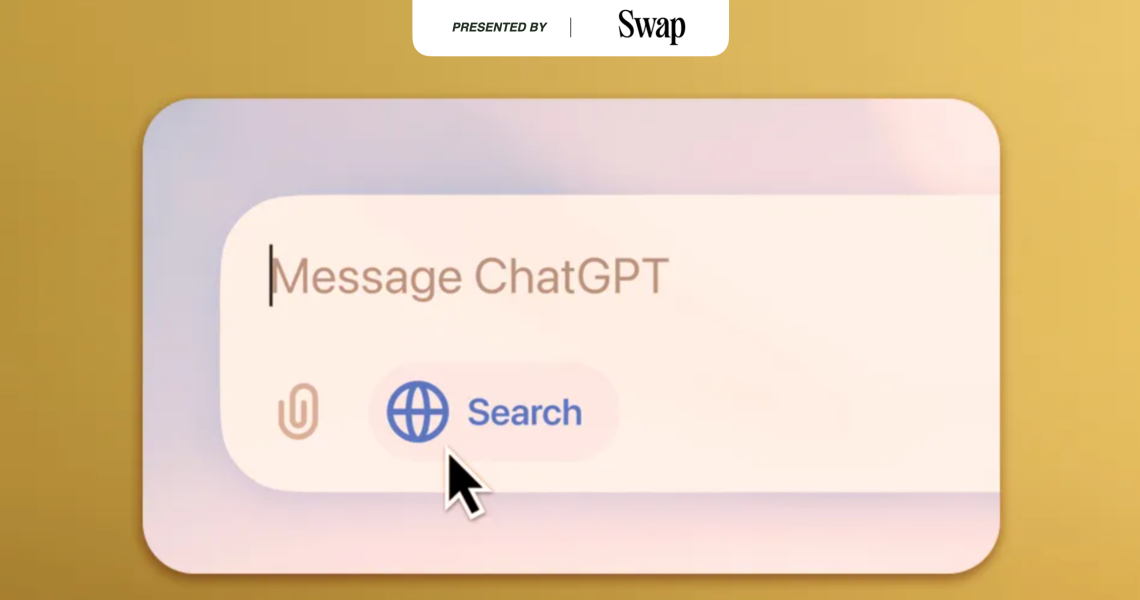
In March, Sephora announced an integration of its app within ChatGPT, while Ulta Beauty announced its own artificial intelligence integration via a partnership with Google Gemini just a month later.
On this week’s episode of the Glossy Beauty Podcast, hosts Lexy Lebsack and Sara Spruch-Feiner are joined by senior beauty reporter Emily Jensen to discuss Sephora’s and Ulta’s recent investments into AI, and how agentic shopping is poised to evolve in the beauty industry.
How exactly AI will shape the consumer pipeline and influencer beauty shopping in the months and years to come remains to be seen. But with Amazon (and its proprietary AI capabilities) on Sephora’s and Ulta’s heels as a major beauty retailer, the beauty retailers are diving right in rather than risking getting left behind.
Highlights from the episode, below, have been lightly edited for clarity.
On GEO as the new SEO
Spruch-Feiner: “[Years ago] it was like the SEO arms race of the 15 best foundations for mature skin, for dewy skin, whatever — and this is such an obvious one-up to that. You can just go and put in a picture of yourself — and some people don’t care [about privacy concerns], they’ll just put a full picture of their face — and you can say, ‘I have acne-prone skin that’s dry on my cheeks,’ and get these super custom, tailored recommendations. And that was just so fascinating to me. … It does make so much sense to me that Sephora and Ulta need a new way to compete with Amazon. As we were speaking about in the last episode the three of us did together, so many brands are now available there, too.”
On the value of data from agentic search:
Jensen: “A lot of the goldmine for Sephora and Ulta and Amazon, and any kind of retailer working with AI in the long run, is the data. It’s not even just about converting shoppers and getting them to actually check out and buy more with AI, although that is certainly a part of it in the long term. But the real value is [the retailers] can have, in theory, so much more data now on how the person is starting their shopping journey, where they’re starting from, where they’re looking, and what steps they take to then select this product and then actually check out. And having that all in one window on your chat would be very, very, very valuable for these companies. Versus maybe what happens more so now, where you might watch a TikTok, you might read a Reddit post, maybe you then go in-store and try things on in person, and then you go check out maybe on Amazon later on, and all that data on that customer journey is very fragmented.”
On the different approaches of each AI bot:
Lebsack: “When I was shopping on Ulta versus Sephora, it was similar, obviously. They’re trying to offer you products, they’re trying to explain why, but I found that Sephora’s was way more concise, that it was very succinct, conversational. [The AI] did not give me any follow-up questions. It kept all of its responses very, very short, and to only three or four products. Whereas I would go to Ulta Beauty, and I would get so many products. It would give me 11, 12 products broken down into different categories. And then when I went to ChatGPT, it got even more expansive, where it would give me 15 products with these huge, chunky sections of copy around, sort of, the various finishes and the various undertones. I can understand why someone would say, ‘Oh, wow, that’s too much information.’ But maybe Sephora isn’t enough information if you don’t try to grab them with another question like, ‘Who’s this for?’ and ‘What else are you using?’ or whatever the follow-up question is.”
Lebsack: “I did stump one of the bots. I started, kind of, pressing — seeing like, where are these guard rails? When will it start to say, ‘I can’t help you with that.’ And I started to ask questions about, like, how can I feel better? How can I mend a broken heart? — just kind of really going for it, seeing what it would say. … So, for example, Sephora said, ‘While beauty products can’t heal a broken heart, self-care rituals can offer you comfort.’ And then it recommended a foot mask, a couple Ouai products, a Higherdose product, stuff like that. And then Amazon did something very similar, except it didn’t give me any products. Amazon just said, ‘Oh, I’m so sorry to hear that. While I can’t mend a broken heart, some things can make the healing process sweeter,’ and it started going through things I should do, like watch a good movie or have some comfort food. But then, when I asked Ulta, it just straight up shut me down and said, ‘We’re here for beauty questions.’ It’s kind of a funny thing, where all of these different apps are stopping.”