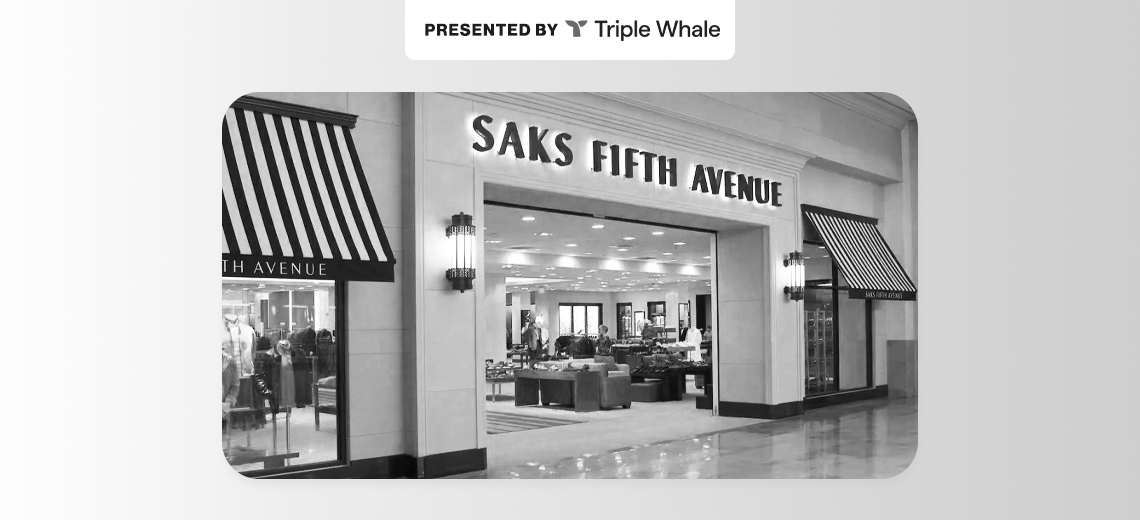
This is an episode of the Glossy Fashion Podcast, which features candid conversations about how today’s trends are shaping the future of the fashion industry. More from the series →
Subscribe: Apple Podcasts • Spotify
Earlier this month, Saks Global received court approval for its post-bankruptcy restructuring, which would reduce the company’s debt and leave it much more compact than before the proceedings began in January.
The new version of Saks looks very different from the previous one. It is down to under 50 stores, most of which are Neiman Marcus locations, and it has fully exited the off-price market. The latter is a particularly puzzling move, since many off-price retailers like TJ Maxx and Nordstrom Rack are thriving right now amid consumer demand for affordable deals.
On the Glossy Podcast, senior fashion reporter Danny Parisi, editor-in-chief Jill Manoff and international reporter Zofia Zwieglinska break down what changes Saks has made in the last six months and how those changes are working so far, and answer the question: Is Saks a more appealing sales channel for brands now than it was before?
The answer to that question is complicated. Saks has put over $1 billion toward repaying vendors to whom it owed money, which was one of the main complaints that brands had with Saks’ way of doing business.
“Saks wouldn’t be my first pick if I were a brand,” Manoff said. “If your strategy is to be everywhere — wherever the customer is, and you’re on Amazon and every other platform — then great, go to Saks. But I would be more focused on investing in my data, making sure I’m searchable on AI, making sure people are talking positively about me on Reddit. Multi-brand retailers are no longer everything.”