This is an episode of the Glossy Fashion Podcast, which features candid conversations about how today’s trends are shaping the future of the fashion industry. More from the series →
Subscribe: Apple Podcasts • Spotify
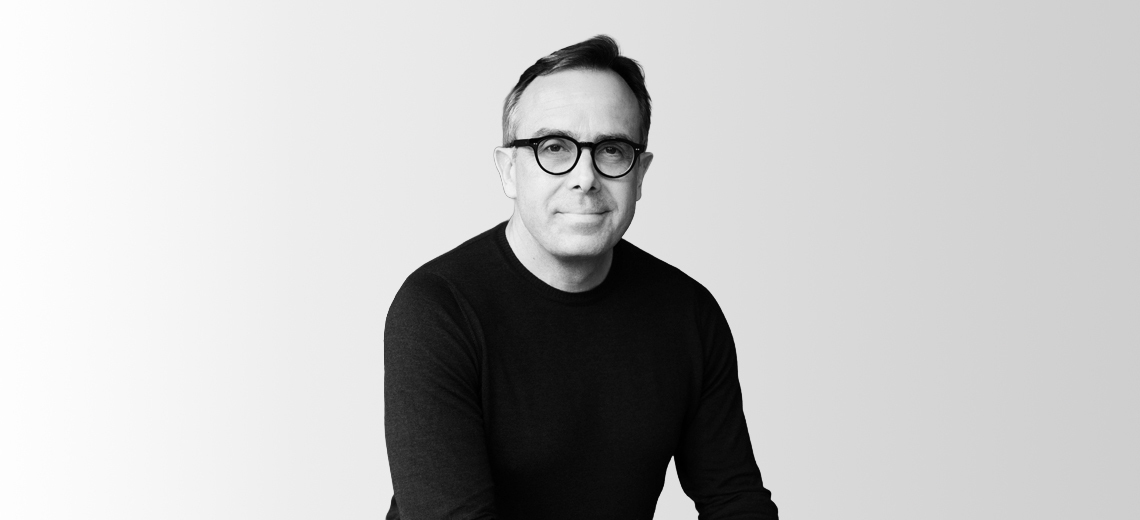
On this week’s episode of the Glossy Podcast, senior fashion reporter Danny Parisi and international reporter Zofia Zwieglinska are joined by Achim Berg, founder of the fashion and luxury think tank FashionSights and former senior partner at McKinsey, to unpack how escalating conflict in the Middle East is impacting the global fashion and luxury industry.
The conversation comes at a moment of heightened geopolitical instability. Roughly a month into a rapidly evolving regional conflict, brands are navigating disrupted tourism, declining retail foot traffic and rising macroeconomic pressure tied to energy costs and supply chains. Meanwhile, the luxury sector was already facing a broader slowdown.
Here are three key takeaways from the conversation, lightly edited for clarity.
The industry is operating in a new era of sustained volatility
Berg: “This is a big disruption, but we don’t yet know how big it will be. It’s lasting longer than many expected and remains highly volatile and unpredictable. We’ve seen this pattern for years now, one crisis after another. That kind of volatility is becoming the new normal.” He added that, while companies have become more adaptable, the environment makes long-term planning harder.
Berg: “Companies are more flexible, but volatility is not a good basis for long-term investment. Plans that used to span five to seven years are now closer to one to three.”
The Middle East’s role as a luxury growth engine is under pressure
Berg: “The region had become one of the few growth areas for luxury, with around 6% growth and strong investment across retail and real estate. That is now clearly under threat.” The short-term impact is already visible across retail and hospitality.
Berg: “Traffic is significantly down. Hotel occupancy is down 80-90%, and mall traffic has dropped, as well. I hear revenue declines of 40-70%, which is a massive hit. Luxury is effectively collateral damage here.” He noted that even limited instability can weaken the region’s appeal.
Berg: “Tourism, retail and investment are all disrupted. To recover its role, the region needs stability.”
Luxury is facing a double hit from regional disruption and global pressure
Berg: “Luxury is currently experiencing a double hit. There is the direct impact in the region, and there is reduced international spending as consumers delay purchases or stay home. Even if the conflict ended tomorrow, there would still be lingering effects.” At the same time, broader macroeconomic pressure is building.
Berg: “Energy prices are rising and logistics costs are increasing, and that feeds into inflation. That could lead to another cost-of-living crisis, which is not good for fashion and definitely not good for luxury.” He also pushed back on the idea that luxury is insulated.
Berg: “High-net-worth individuals may stabilize the industry, but they will not drive growth. The aspirational customer remains critical, and that group is much more sensitive to economic pressure.”