This is an episode of the Glossy Beauty Podcast, which features candid conversations about how today’s trends are shaping the future of the beauty and wellness industries. More from the series →
Subscribe: Apple Podcasts • Spotify
After a few sleepy years, beauty M&A had a gangbuster 2025, including three deals worth more than a billion each, leading many insiders to speculate on whether the momentum can continue in 2026.
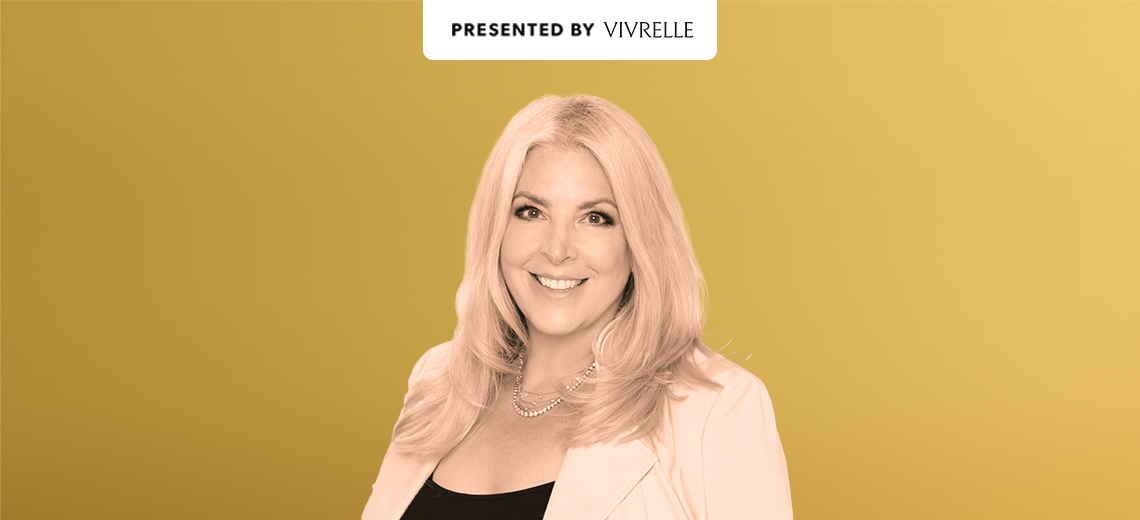
“We were excited to see what we saw last year; M&A had become so dormant for a while, we were getting a little concerned,” said Kimber Maderazzo, professor of marketing at Pepperdine Graziadio Business School and former Proactiv and L’Oréal Group executive. “But I think we’ll see something different [this year].”
In 2025, E.l.f. Beauty purchased Hailey Bieber’s Rhode for $1 billion in May. Then in June, men’s care brand Dr. Squatch was acquired by Unilever for $1.5 billion, and L’Oréal Group bought clinical skin-care brand Medik-8 for approximately $1.1 billion.
“When you see big deals like that, it sends a message out to private equity that strategics are looking for big, big brands that will last over time,” Maderazzo said. “And when we look at the history [of beauty M&A], a lot of those brands [acquired in the past] didn’t.”
She points to a flurry of brand founders who have reinvested in, or purchased back, their brands. This includes Huda Beauty, SKKN by Kim Kardashian and Anastasia Beverly Hills.
It’s one signal that the checklist for acquisition has changed, Maderazzo told Glossy — though it hasn’t stopped the influx of interested brands. According to industry reports, several 2026 M&A contenders have hired bankers to explore deals. They include Rare Beauty, Kosas, Makeup by Mario, Merit, and Starface. Meanwhile, just last week, Estée Lauder Companies put several brands up for sale, including Too Faced, Dr. Jart and Smashbox, as reported by Glossy.
In this week’s episode of The Glossy Beauty Podcast, host Lexy Lebsack sits down with Maderazzo to discuss the new acquisition rulebook, as she sees it, what strategics are looking for today and what we can expect in 2026.
Lebsack also taps Maderazzo to share her “2026 in and out” prediction list and an insider glimpse into the trends and topics most important to the beauty-industry-focused graduate students she teaches today.
The growing role of beauty retail on M&A
Maderazzo: “[For many years] everything was direct-to-consumer, [and the thought process was,] ‘Own your consumer, don’t be in retail’. [But now] brands are saying, ‘Wait a second. There’s a different customer there, and if we want to grow, we need to be in the hands of those customers at Ulta, and we need to be in the hands of the customers at Sephora’. Even what we saw with Rhode Beauty, right? We saw them go in and launch at Sephora and have an incredible launch. So do I think it’s important? I do. I think it’s too much of a big bet for these strategics to come in and say, ‘[It’s sufficient that] you only have one channel of distribution.’ I think it’s important that every brand starts to look at how to play in all areas because there are different consumers everywhere. The thing that’s most important [to be acquired] is [a mission] that is consumer centric, not brand centric. Consumers should be able to buy products where they want to buy them. So, when you say, ‘Oh, well, they’re not going to be sold on Amazon or Walmart,’ they should [reconsider]. Because if consumers want to buy them there, they should be offering their brand at those retailers.”
On the lessening importance of the founder-led brand structure
Maderazzo: “There are so many founder-led brands that are based on the founder themselves and their personal reasons of why they developed the brand, but not really a strong reason why other consumers should use it. So I really worry about all the new indie brands [based on a founder’s story], … [because the founder is] becoming less important. And the reason is that it didn’t stand the test of time. [There are many examples where] they weren’t experts in the field, they didn’t grow with the brand, and they didn’t stay with the brand. So, again, that consumer trust was lost. If [consumers] had a lot of love for that founder and that founder no longer was visible, [the “brand”] is no longer there, [either].”