At the end of last year, Glossy reported on K-Beauty’s second wave in the U.S.; throughout 2025, it remained one of the most influential forces shaping the beauty industry.
Sephora launched K-Beauty brands including Amorepacific-owned Aestura and Hanyul this year, as well as Beauty of Joseon, Biodance and Torriden. In July, Ulta Beauty introduced 11 K-Beauty brands at once, indicating its dedication to the category. It differentiated from other retailers with an assortment including both skin care and color cosmetics, comprised of brands including TirTir, Medicube, Fwee, Sungboon Editor, Mixsoon and VT Cosmetics, among others.
Target has also invested in K-Beauty this year: In the fall, it expanded its existing K-Beauty assortment by 80%. Its assortment includes brands such as Roundlab, Skin 1004, Ma:nyo, Numbuzin, Mediheal and, as of December 28, Haruharu Wonder.
“We’re seeing our guests really lean into K-Beauty right now,” said Amanda Nusz, Target’s svp of merchandising, essentials and beauty. “[K-Beauty products] bring together innovation, high-quality products and accessibility — all things that matter most to our guests and are core to our broader beauty strategy. Haruharu Wonder delivers on that with technology-forward formulas and an intentional approach to skin care.”
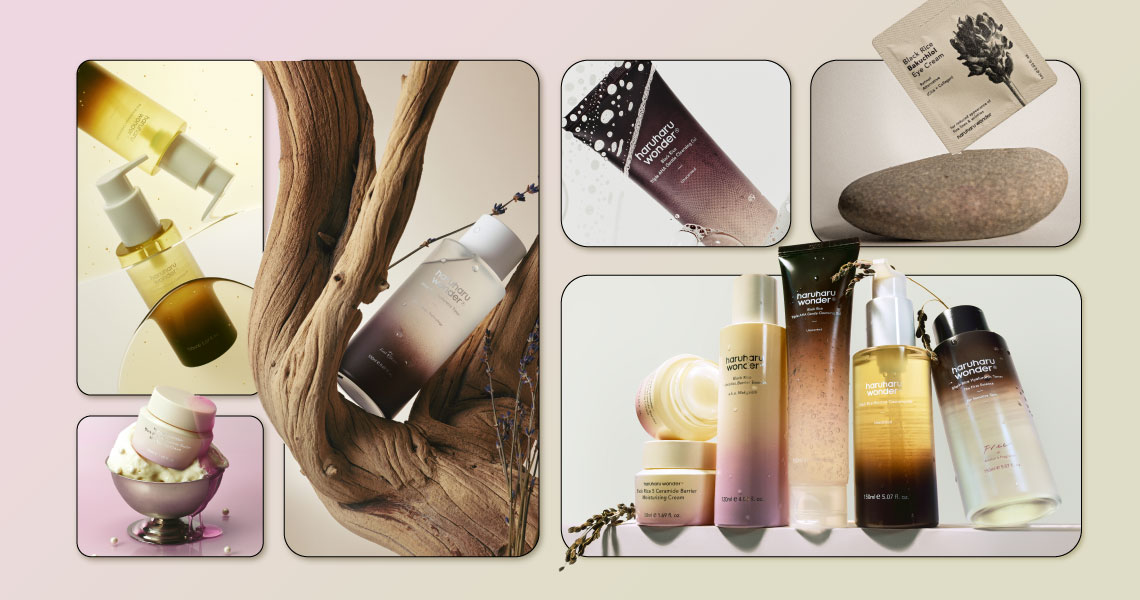
Haruharu Wonder was founded by Jae Jeong in 2019. “I always felt that skin care didn’t need to be complicated or trend-driven to work,” Jeong told Glossy from Seoul. Many of her brand’s hero products feature antioxidant-rich fermented black rice, which the company makes via a patented process. The goal of the brand is to provide “a daily ritual that supports the skin barrier over time … [with] gentle, effective products [that people] actually enjoy using every day, not quick fixes or overwhelming routines,” Jeong said. At Target, it will launch eight hero products priced $13-$22, both in-store and online.
The Target guest and the Haruharu Wonder customer share goals and values, Jeong said. “The Target guest has always been curious, thoughtful and intentional about beauty. They care about the quality, but they also want products to [be] accessible,” she said.
She pointed to Target’s track record of building brands like Byoma and said she believes her brand can achieve similar consumer trust and loyalty, though she acknowledged that Target’s K-beauty selection is already highly competitive. “There are so many great K-beauty brands at Target already. So for us, cutting through isn’t about being louder or faster — it’s about being clear and consistent. … We have already created products that quietly earn their place in someone’s routine and build trust over time.”
The brand is already growing in the U.S. — during Amazon’s Black Friday sales, it sold more than 2,000 units per day, and more than 7,000 total, of its cult-favorite Black Rice Probiotics Barrier Essence.
“Notably, even after the sales promotion ended, the Black Rice Probiotics Barrier Essence has continued to see similar daily sales performance,” a representative for the brand shared. In 2025, Haruharu Wonder generated approximately $360 million in revenue, and for 2026, it is targeting approximately $600 million in total sales, representing about 60% year-over-year growth, which it expects will be driven by continued momentum across digital channels, international expansion, and new brick-and-mortar partnerships, including at Target.