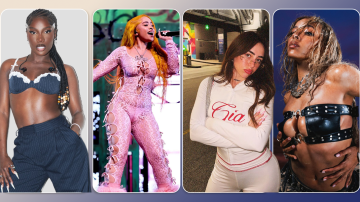
This is an episode of the Glossy Fashion Podcast, which features candid conversations about how today’s trends are shaping the future of the fashion industry. More from the series →
This story is based on insights from the April 10 episode of the Glossy Fashion Podcast, featuring international reporter Zofia Zwieglinska, editor-in-chief Jill Manoff and The Cut fashion news writer Danya Issawi.
Subscribe: Apple Podcasts • Spotify
Coachella returns to Indio, California, across two weekends, April 10–12 and April 17–19, kicking off the spring festival circuit. Stagecoach follows at the same venue from April 24–26, while Glastonbury takes place in Somerset, England, from June 24–28. Together, they provide a strong snapshot of the fashion and brand activation trends during a festival season.
According to Pinterest data from a March report, searches for “Coachella outfit ideas” are up 465% year-over-year, while searches for “Coachella 2016 outfits” have jumped 740%. Looking back and pulling from multiple references is obviously a big way attendees are planning what to wear.
“There was, for years, this conversation of, like, ‘Is Coachella dead?’” Issawi said on the podcast. “But people are still going. It doesn’t matter because it’s still a form of escapism.”
That escapism still shows up in the clothes, but it is less about a single aesthetic — like the flower crowns, fringe and denim cutoffs of the 2010s — and more about interpretation. “It’s always going to be some version of boho,” Issawi said. “But the modern iteration of that is sheers, ruffles, micro-shorts with boots. It’s very Chloé, new-era boho chic.”
On the ground, one could also find different groups dressing for different artists, as well as attendees wearing outfits referencing specific TikTok aesthetics or past festival eras.
There has also been a change in how people prepare for the festival. Outfits are planned weeks in advance, often with content in mind. According to a Shein survey of 18,000 of its app users, 58% said they plan to wear two or more outfits per day. The desire for more than one outfit is shaping where people shop. Fast fashion is a go-to, especially for statement pieces that will likely only be worn once. At the same time, there is a growing emphasis on finding something that does not feel “mass,” as festival-goers tire of the same Pinterest outfits and AI-generated ideas.
“There is no greater high than being like, ‘Oh my God, I thrifted it,’” Issawi said. “I think we’re going to see that a lot at festivals.”
The vintage looks are less about sustainability and more about differentiation from the crowd. Standing out is a goal for brands, too.
Coachella has long been one of the most brand-saturated events on the cultural calendar, with companies like Revolve building entire activation ecosystems around it, and others, including Guess Jeans and a growing number of beauty brands, hosting large-scale parties and pop-ups.
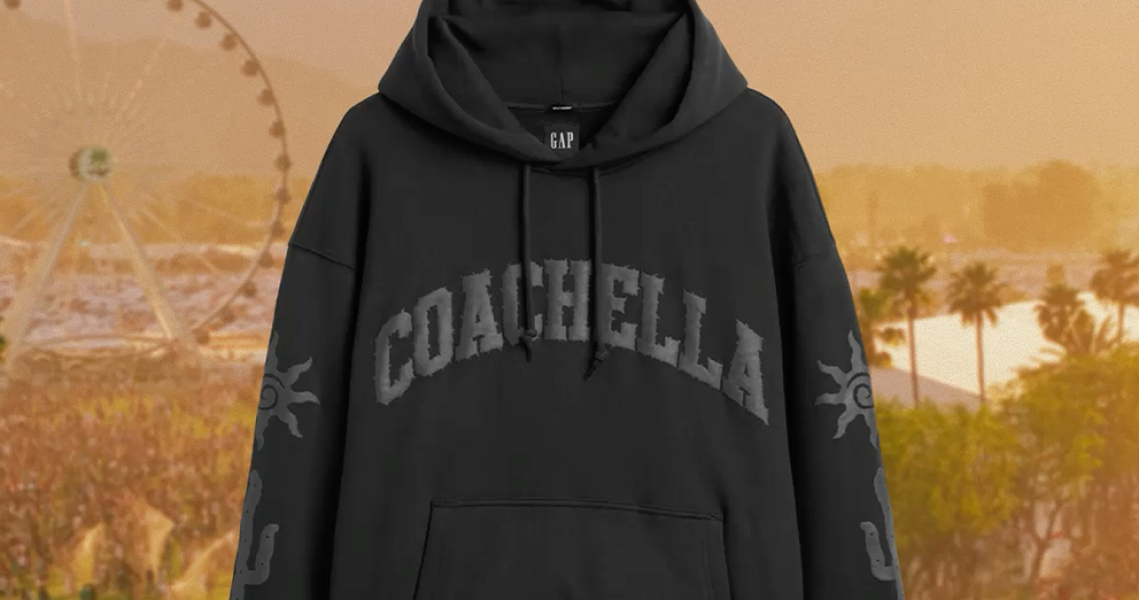
Some are taking a refreshed approach. This year, Gap is stepping in as Coachella’s exclusive apparel sponsor and official merch partner with its “Hoodie House” activation on the festival grounds. Attendees can buy, customize and wear a limited-edition Gap x Coachella hoodie, available only during the two festival weekends. The hoodie comes in black, navy and heather grey, retails for $100 and can be personalized on-site with patches, drawstring bead sets and collectible charms that change daily. The house also features lounge seating, shade and space to recharge, along with access perks for Gap Encore loyalty members, including express entry and giveaways.
The thinking behind it, according to Issawi, is straightforward. People arrive early and stay all day. The desert heat drops off at night, and hoodies have always been one of the most practical purchases on-site. Gap is building around that existing behavior.
For its part, attendees of Stagecoach, which takes place the weekend after Coachella wraps, still lean into a Western dress code — but even that has started to blur, with new aesthetics being introduced and overlapping. But the event continues to attract brands like Boot Barn and American Eagle that align with its Western dress codes.
And at Glastonbury, where weather dictates what people wear and brand activations are far less prominent, the emphasis on personal style tends to hold. Glastonbury often draws heritage and resale-driven players — like Barbour and Depop, respectively.
“I hate to say it, but I think [Glastonbury] is cooler,” Issawi said.