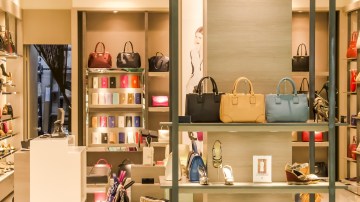
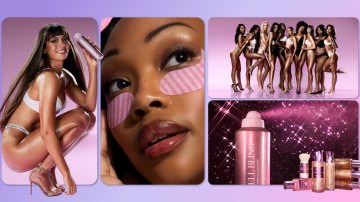
Eric Korman, the CEO and founder of Phlur, wants to offer an alternative to the department store perfume department.
Phlur is an online perfume brand launched in 2015 with a different approach to the fragrance industry. With six scents and $4 million in funding (including a $1.5 million round that came in on June 23), Phlur lets shoppers sample a set of three fragrances for $15; that amount is then put toward a full-size bottle at purchase.
Not only is Phlur breaking industry norms with its sampling and direct-to-consumer model, but it’s a sustainable and transparent company, shedding light on a typically opaque industry and supply chain.
Korman, who was first introduced to the perfume industry while heading up global e-commerce at Ralph Lauren, joined the Glossy Podcast to share what he’s learned about fragrance, including the fact that online shoppers won’t buy a scent unless they can smell it first. Edited highlights, below.
Uncovering the licensed fragrance industry
While at Ralph Lauren, Korman noticed that, online, the margins for selling fragrance weren’t as high as he would have expected. The licensing department then explained that L’Oréal owns the Ralph Lauren fragrance and licenses it out to the brand, meaning the brand is basically buying its fragrance wholesale.
“L’Oréal, Estée Lauder and Coty essentially dominate what you would find at a fragrance counter,” said Korman. “They’re predominately licensed brands, either by a designer or a celebrity. That struck me — and got me interested in learning more.”
What Korman found is that those companies aren’t even the fragrance manufacturers. They sell and market the scents, while a fragrance house is the one producing them. At fragrance houses, all scents — including those for products like laundry detergent and body sprays — are created, while a niche department is reserved for fine luxury fragrances.
Upon realizing there doesn’t need to be so many unnecessary middlemen in fragrance, Korman began working directly with fragrance houses that shared a vision for sustainable fragrance.
What makes fragrance “sustainable”
Unlike the natural and organic food movement, perfumes shouldn’t be judged on how natural and botanical their ingredients are. According to Korman, it’s not good for the environment to be harvesting ingredients for fragrance. Synthetics in a lab can be made with ingredients that don’t harm skin.
“We want to balance two objectives: good for your skin and good for the planet,” said Korman. “Safe synthetics do that.”
Catering to a new customer
Korman pointed out that the fragrance industry hasn’t really changed since World War II. And while other industries are moving with the times — direct-to-consumer, transparent, sold online — perfume has hung back.
“This new way to discover fragrance was our primary message — go online, purchase a sample set, avoid the department store that you’re not going to anyway,” said Korman. “Also, what does it even mean to buy fragrance from Katy Perry or Tom Ford? We created this for people who find that connection tenuous and uninteresting.”