Puma is successfully leveraging community co-creation to learn from and engage its shopper base.
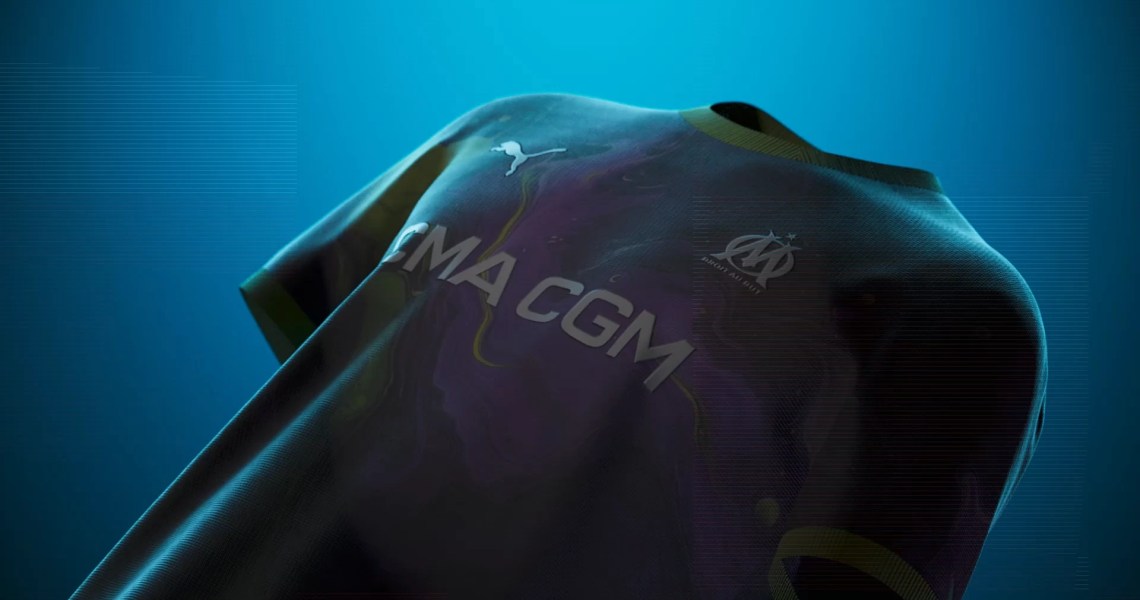
In January, Puma relaunched its AI Creator platform. First introduced in 2024, AI Creator is Puma’s generative AI platform that enables fans to co-create official football kits with the brand. The second iteration of the AI-powered kit design experience allowed users to submit design-based entries, with one winning design becoming the French football club Olympique de Marseille’s official 2027–2028 third kit. It drew more than 35,000 unique users in two weeks, with fans spending over eight minutes per session, on average, designing, remixing and voting on kits. The design phase of the contest is now closed, and fans will have a month to vote on their designs.
Compared with the program’s 2024 debut, which focused on kits for the English football club Manchester City, the new iteration saw higher engagement. Fans created an average of five kit designs each, up from 3.5, and submitted around 1 million kit ratings, with the average participant voting roughly 25 times. A newly introduced remix feature — which allows users to modify existing designs rather than start from scratch — was used about 15,000 times.
Ivan Dashkov, head of emerging marketing tech at Puma, said the new remix offering marked a deliberate change in how the platform works.
“With the Man City one, you would have to just get in there and write your prompt,” he said. “There was a lot of anxiety [for users], in some ways, because it was like: Come up with your big idea right off the bat.”
The Marseille edition’s guided, conversational interface, meanwhile, walked users through creative choices step by step, allowing them to more slowly refine ideas around color, pattern and style.
That design change lowered barriers to entry and encouraged experimentation. “We’re seeing people prompting more this year,” Dashkov said. “It’s more comfortable.”
Manchester City has 170 million to 180 million global followers across social platforms, while Olympique de Marseille has 10 million to 15 million globally, making the competition results all the more significant.
Beyond engagement, AI Creator has become a source of insights for Puma’s wider business. The company analyzes the prompt language used, choice color selections and recurring visual themes to better understand fan and regional preferences.
“There’s a lot [we’re getting] from the data side, in terms of what colors people like and what common terms we’re seeing in the prompts,” Dashkov said.
In the case of the Marseille version, animal prints, camouflage and graffiti-style graphics have proven popular. Dashkov linked those trends to local culture: The city has become known for its links to graffiti culture, and many of its districts, including Cours Julien and historic Le Panier, have built strong communities around the art style.
The winning fan-designed Marseille kit will be produced and worn on the pitch during the 2027–2028 season and sold to consumers as an official Puma jersey. Puma and Marseille will first shortlist top designs internally, followed by a global public voting phase taking place over the following month.
The latest AI Creator contest was primarily marketed through Marseille’s channels: The club promoted it via its website and social channels. Puma supported the rollout with light paid media, influencer activations and traditional advertising, including placements in local newspapers.
The Marseille activation arrives during a period of corporate change for Puma. In January, Anta Sports agreed to acquire the full 29% stake in Puma from its controlling stakeholder, Artemis, for roughly $41 per share, valuing the deal at about $1.8 billion. This makes Anta the company’s largest stakeholder. The transaction includes a price-protection clause that would apply if a higher bid emerges within 15 months, though Anta has said it does not plan to acquire the entire company.
Meanwhile, on Tuesday, Puma launched a standalone training business unit, focused on performance training for athletes, as the company moves through a transition period following a 2025 strategic reset outlined in October. Last year was marked by double-digit sales declines, margin pressure and elevated inventories for the brand. The company is now making efforts to cut costs, streamline distribution and refocus on priority growth categories to stabilize performance in 2026 and return to growth in 2027.
“We have the clear ambition to establish Puma as a top-three sports brand globally,” said Arthur Hoeld, CEO of Puma, when the reset rolled out.
Looking ahead, Puma aims to expand AI Creator to other clubs and sports, and to open up co-creation to other parts of the business, Dachov said.