2025, like any year, came with plenty of controversies and scandals. Fashion and beauty brands got caught up in familiar controversies, like accusations of racism and cultural appropriation. But there were also newer scandals, like leaning too hard on AI in marketing materials. The way they responded to those scandals is worth analyzing.
Many of the year’s controversies followed a familiar trajectory. In August, Swatch posted an ad featuring one model pulling back the corners of his eyes, a gesture widely considered a racist mockery of Asian facial features. Swatch, which makes more than a quarter of its revenue from China, Hong Kong and Macau, was immediately criticized by social media users in China.
Swatch’s response was also familiar. The brand claimed ignorance in a statement to Reuters, saying that the team that produced the ad was unaware of the “extent of the gestures” and their offensive nature. The ad was removed from all platforms shortly after, but many, particularly Chinese social media users, regarded the apology as inadequate.
Likewise, the beauty brand E.l.f. found itself unintentionally offending its customers. In August, it launched a campaign featuring comedian Matt Rife, who has been criticized for his jokes about domestic violence against women, which clashed with E.l.f.’s thoughtful, progressive image and audience. Shortly after, the brand issued a statement on Instagram, saying that the campaign “aimed to humorously spotlight beauty injustice,” and adding: “We understand we missed the mark with people we care about in our e.l.f. Community.”
“Many scandals and controversies happen because marketers do not bother doing their research,” said Mariana Leung, a fashion consultant who has worked with brands including Coach and The Row. “Rather than take the time to communicate with their core audience and understand them as people, they fall in love with their own ideas and push ahead. If a brand’s good intentions were taken out of context, the marketers did not spend enough time communicating them from the start.”
Other brands put more work into making amends for missteps. Also in August, the Mexican-American designer Willy Chavarria, in collaboration with Adidas, released a shoe called the “Oaxaca Slip-On.” The shoe was inspired by a traditional leather sandal called a huarache, made by the indigenous people of the state of Oaxaca in Mexico, but created without their involvement. That led Mexican President Claudia Sheinbaum, among others, to criticize Chavarria and Adidas for profiting from the shoe’s aesthetics without giving anything back to the community.
Chavarria and Adidas’s response was more involved than other scandal responses this year. Adidas requested a sit-down with the Mexican government and the indigenous communities of Oaxaca, while Chavarria made a statement highlighting the Zapotec community of Villa Hidalgo Yalálag, from where he took inspiration. Adidas executives also traveled to Villa Hidalgo Yalálag to deliver a spoken apology in person and make plans for an official future collaboration with the artisans of the community.
Meanwhile, other brands caught up in controversies chose to avoid acknowledging them altogether. In early December, Valentino posted a series of AI-generated advertisements that were criticized by customers for being “lazy” and “nightmare fuel.” In a year when Merriam-Webster designated “slop” the word of the year, customers were increasingly wary of, and likely to reject, any sign of generative AI in advertising. Despite widespread coverage of the negative reaction to the ad, Valentino issued no statement regarding the ad’s production or reception.
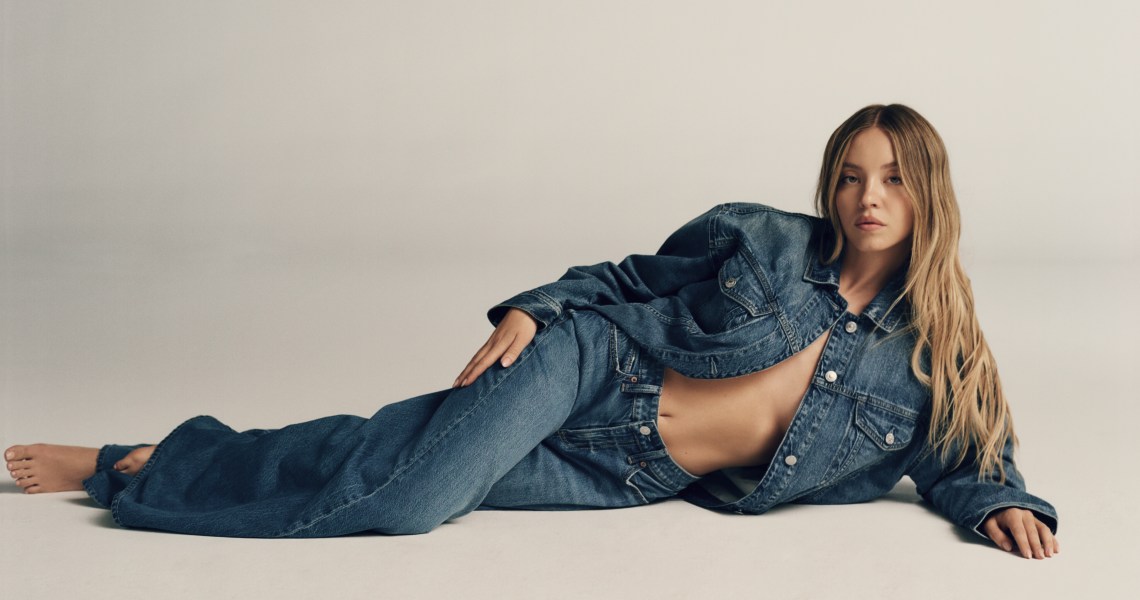
And then there was the brand that seemed to court controversy. Much ink was spilled this year over American Eagle’s Sydney Sweeney “Great Jeans” ad, which came out over the summer. To many, the ad’s tone, paired with the blonde, blue-eyed Sweeney, was reminiscent of eugenics. American Eagle stuck by the ad, which ultimately ended up fueling a 5.7% increase in sales in the quarter that followed.
Craig Brommers, American Eagle’s CMO, told Glossy earlier this year that it took “resilience” to stick with the campaign and resist the urge to back away from it.
“I’m super proud of our team executing the campaign as originally intended, even in the face of feedback that was spicy,” he said.
Lindsay NIcholas, the founder and designer behind the womenswear brand Lindsay Nicholas New York, told Glossy that brands need to be cautious about intentionally courting controversy.
“Brands need to think much further ahead — not just creatively, but culturally — before launching a campaign or product,” she said. “The Sydney Sweeney American Eagle ad is a good example of controversy ultimately benefiting a brand through massive exposure, intentional or not.”