On Monday morning, the luxury streetwear label Off-White announced the departure of creative director Ib Kamara. Kamara, who took the creative helm in 2022, was the first to occupy the role since the untimely death of Off-White’s founder, Virgil Abloh, in 2021.
At the time of his death, streetwear was in bloom, and Off-White was at the forefront of the merging of streetwear and luxury. Buoyed by Abloh’s eclectic taste, cultural cachet and simultaneous role as director of menswear at Louis Vuitton, Off-White seemed to be at the nexus of the colliding streetwear and luxury worlds.
But since Abloh’s death, the brand has appeared listless. It spent several years with no specific individual in the creative leadership role. It has had multiple owners, including New Guards Group, Farfetch, which purchased New Guards in 2019, LVMH through a 60% ownership stake in 2021 and finally Bluestar Alliance, which purchased the company in 2024.
Kamara, who had worked with Abloh, was meant to bring back some of the prestige and sheen that Off-White enjoyed in the Abloh days. But demand for high-end streetwear has been declining for some time.
Data provided to Glossy by The RealReal from its August Resale Report showed historical trends for some of the buzziest brands of the last decade. Off-White has seen its GMV, the total value of products from the brand sold on The RealReal, fall by nearly 9% over the last year.
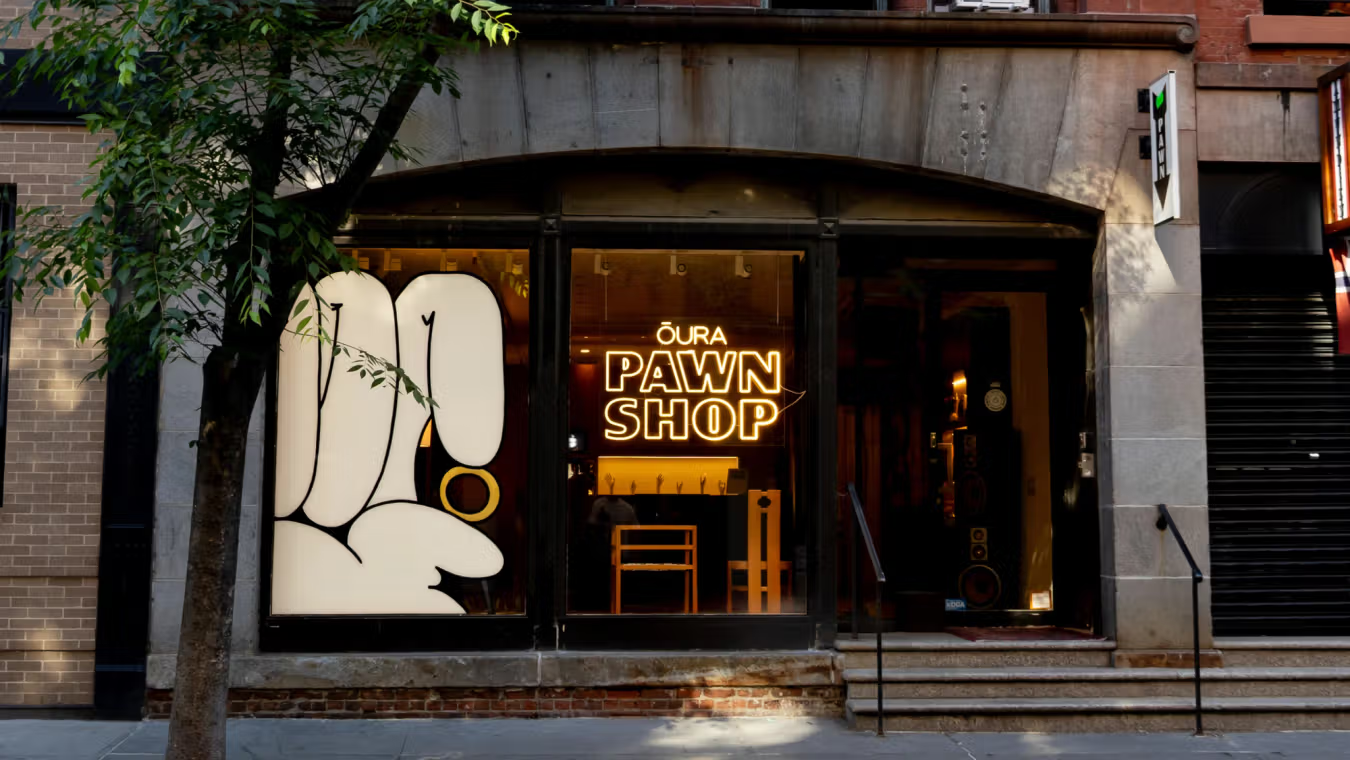
Bluestar Alliance doesn’t break out revenue reporting for its individual subsidiaries. But the fashion media has noted for years that Off-White hasn’t had the same cultural clout as it did in years past. Since 2025, the brand has also closed its flagship store in New York and shuttered its retail network in China.
Kamara leaving feels like a definitive breakpoint in the brand’s history, but Off-White’s recent efforts have also started to drift from its original luxury streetwear value proposition.
In June, Off-White announced “L/AB c/o Off-White,” a new sub-brand that steered away from Off-White’s typical luxury focus. Products in this line are much more affordable, including T-shirts and hoodies in the $100 range. That same month, Off-White struck deals with mass-market retailers including Pacsun and Costco to carry the line’s goods.
At the time, Bluestar Alliance CEO Joey Gabbay described L/AB in a statement to the press as an “important evolution” of the brand and said he saw “significant opportunity” in building up L/AB and other sub-brands as new revenue drivers.
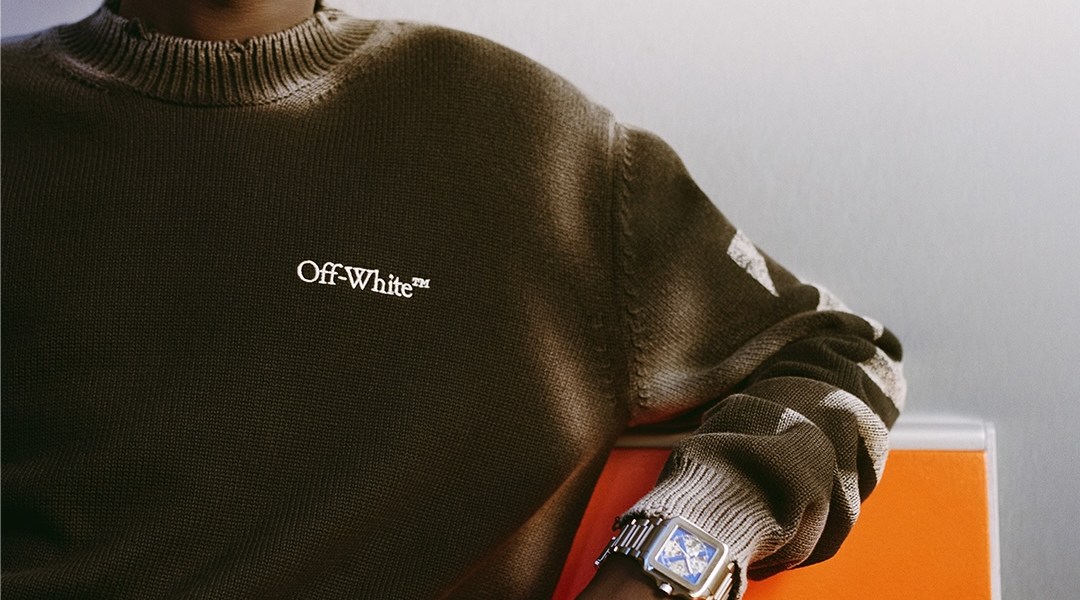
Other recent changes in company strategy have included launching a small collection of watches, bringing in a rotating series of celebrity collaborators like Kid Cudi and moving from showing at Paris Fashion Week to showing at New York Fashion Week last year. After Kamara’s departure, Off-White said in a press statement that it does not have a successor creative director in place or plans to show at any fashion weeks in September.
Cesar Cruz, a stylist and designer who founded the luxury menswear and tailoring brand Sebastian Cruz Couture in 2015, told Glossy that Off-White has clearly struggled to live up to the Virgil Abloh days.
“That’s not to say there haven’t been other impressive collections since,” Cruz said. “But based on my analysis as a designer and business owner, I don’t think Off-White has yet found its footing since Virgil. The biggest problem is identity or a lack thereof. Under Abloh, Off-White was always greater than its products. It had a cultural point of view. It was a conversation between streetwear, luxury, art, music and youth culture. Virgil himself was the person connecting all of those worlds.”
Now, Cruz said, “the cultural engine has gone quiet.”
Nnagozie Ifebi, founder of the streetwear brand Multiversity, told Glossy that much of Off-White’s original visual identity was tied to Abloh himself. After he died, Off-White could “retain the visual vocabulary, but retaining the meaning behind that vocabulary was much harder,” Ifebi said. In the last few years, Off-White has launched a number of projects that stick very close to the original concepts created by Abloh, including the 10×10 collection, which brings in collaborators to re-imagine 10 Abloh-designed pieces from Off-White’s archive.
Instead, he said Off-White may be better served by steering away from tying itself too closely to Abloh’s legacy and work on forging a new path.
“I don’t think Off-White needs to return to the Abloh era to succeed. In fact, attempting to recreate that period may be the wrong objective,” Ifebi said. “The opportunity is to determine which elements of Off-White are permanent brand codes and then give its next creative leadership enough freedom to establish a new worldview around them.”