On Monday, Puig unleashed a potential bombshell into the beauty industry: The Spanish conglomerate confirmed it was in “discussions regarding a potential business combination” with American cosmetics giant The Estée Lauder Companies. If the two were to merge, the resulting company could create a $40 billion beauty powerhouse that controls everything from skin-care innovators like Dr. Barbara Sturm and Clinique to makeup giants like MAC and Charlotte Tilbury.
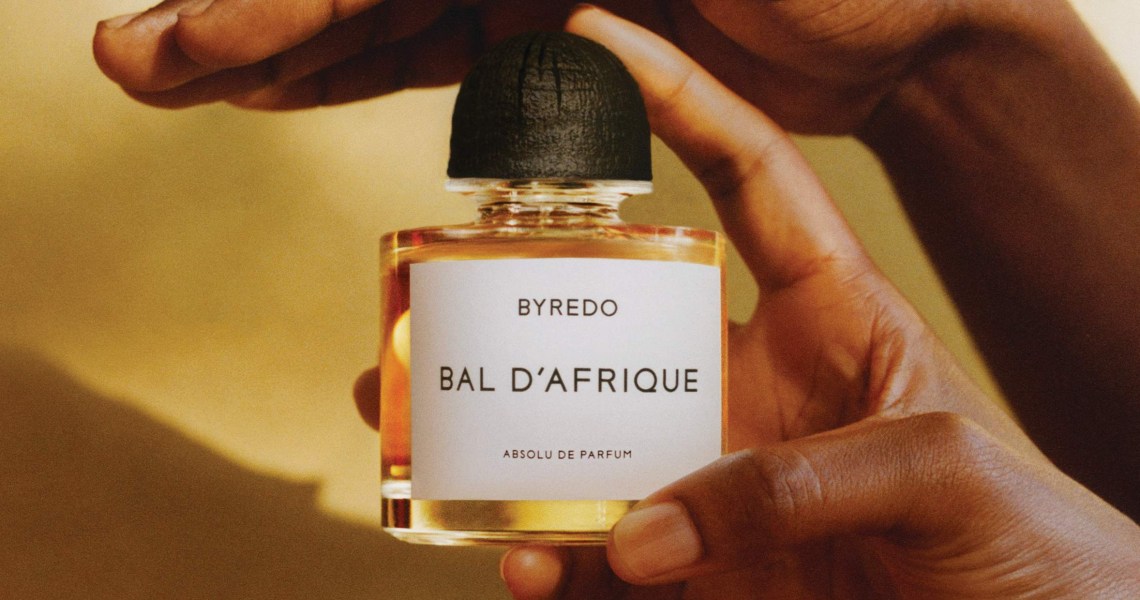
The resulting company could also create one of the most powerful fragrance portfolios in the industry, bringing indie pioneers like Le Labo and Byredo and designer giants like Tom Ford and Jean Paul Gaultier all under one roof.
The creation of such a fragrance portfolio leaves many questions for what has lately been beauty’s most dynamic category: not only how such a merger would affect ELC’s and Puig’s fragrance brands, but also what would happen to creativity and innovation in a fragrance market that looks to be increasingly dominated by mega-corporations.
“I think the merger would be highly complementary, and not entirely surprising given Estée Lauder’s recent challenges and Puig’s IPO,” said Isaac Lekach, co-founder and CEO of Flower Shop Perfumes Co., which has created perfumes for the likes of Cirque du Soleil and singer-songwriter Melanie Martinez.
Puig’s fragrance and fashion division, which includes brands like Byredo and Dries Van Noten, is by far the company’s largest segment, accounting for 72% of Puig’s net revenue in 2025. The category has continued to grow, with like-for-like growth of 6.4% for the year. However, the conglomerate’s makeup division, led by Charlotte Tilbury, has shown particularly strong growth in recent months, posting 20.9% revenue growth in the fourth quarter of 2025.
Estée Lauder’s most recent results showed the inverse. Net sales in its fragrance division, its third-largest category behind skin care and makeup, grew 6% in the second quarter of fiscal year 2026, while makeup sales decreased by 1% in the same period.
“Estée Lauder is very strong in owned luxury and niche fragrance brands, while Puig has robust designer and fashion-driven fragrances,” added Lekach. “Lauder’s core strength historically has also been skin care and prestige distribution, so pairing Lauder’s skin-care business and global distribution/retail relationships with Puig’s fragrance-focused portfolio would create a very balanced group across skin care, luxury fragrance, and niche and designer fragrance.”
The merger could also help Puig learn from ELC’s success in China, noted Wendy Nicholson, a managing director in Baird’s Global Consumer Investment Banking Group. Asia-Pacific represented 11% of Puig’s net revenue in 2025, delivering like-for-like growth of 21.7%. ELC’s net sales in Mainland China grew 11% in Q2 2026.
“We’ve seen success for [Estée Lauder-owned brands] Jo Malone and Tom Ford already in China, so to the extent Estée were to combine with Puig, we believe that with Estée’s help, the Puig brands could see strong growth in China over time, as well,” she said.
Steven Wildenberg, founder and CEO of sales at creative agency Golden Meteors, whose clients include beauty and fragrance brands like Borntostandout and Arquiste, agreed that both Puig and Estée Lauder have something to gain from a potential merger, with the latter, in particular, standing to benefit from the success Puig has had in the fragrance category.
“Puig has the fragrance portfolio that Estée Lauder desperately needs,” said Wildenberg. The company acquired Byredo in 2022 in a billion-dollar deal and launched Dries Van Noten’s beauty and fragrance line that same year, with a curation and exclusivity that has excited niche consumers. “I think they’re really savvy deal-makers. They bought Byredo from Manzanita at a good rate. So I expect them to do more of that, so long as Estée doesn’t put them on too tight a leash.”
How those companies could play together, in terms of corporate structure, remains to be seen, however.
“That’s what would be most interesting from the merger,” added Wildenberg. “Would the people who are part of [Puig’s] success still be able to kind of wheel and deal and continue business as usual? Or is that something that Estée would want to use their people to be more controlling over?”
The potential for a combined Puig and Estée Lauder comes months after L’Oréal acquired Kering’s beauty business in a $4.6 billion deal, leading to yet more consolidation among the industry’s major players. That may give Puig and Estée Lauder the leverage to demand better distribution and market share for its brands against a growing L’Oréal that now also holds the keys to designer beauty brands like Bottega Veneta and Gucci.
But corporate consolidation also raises questions for what happens to creativity and risk-taking in perfumery.
“Together, [Puig and Estée Lauder] would form one of the most dominant fragrance portfolios the industry has ever seen. But if you start looking at what that kind of concentration tends to do over time, it’s clear that when portfolios get this large, brands don’t just coexist, they get managed,” said Olya Bar, the digital division’s head of marketing strategy and communications at fragrance distributor Europerfumes, whose portfolio includes the likes of Matiere Premiere and Fugazzi.
“When you own that many brands, you don’t want them competing with each other; you simply want them segmented, optimized and predictable, and that’s where I see things start to flatten,” she added. “The irony of it all is that, at the same time, consumers are asking for the opposite. It’s clear that even the newly converted perfume seekers are looking for more individuality, storytelling and distinct points of view.”
Together, Puig and Estée Lauder could have the purchasing power to buy the next Byredo. But where the next Byredo comes from remains to be seen.
“If fragrance is entering an era of consolidation, who is left to take the creative risks we all crave to smell and experience?” added Bar. “Will the next truly disruptive idea come from inside these portfolios — which would be a very pleasant surprise for once — or outside of them?”