This is an episode of the Glossy Beauty Podcast, which features candid conversations about how today’s trends are shaping the future of the beauty and wellness industries. More from the series →
Subscribe: Apple Podcasts • Spotify
As the wellness category swells in size, many insiders are wondering the same question: What should be called ‘wellness’ in 2026?
In today’s special crossover episode with Glossy’s sister publication Modern Retail, West Coast correspondent Lexy Lebsack joins Modern Retail senior reporter Gabi Barkho and Rachel Hirsch, founder and managing partner at Wellness Growth Ventures, to discuss the products and categories that should, and shouldn’t, be considered wellness in 2026.
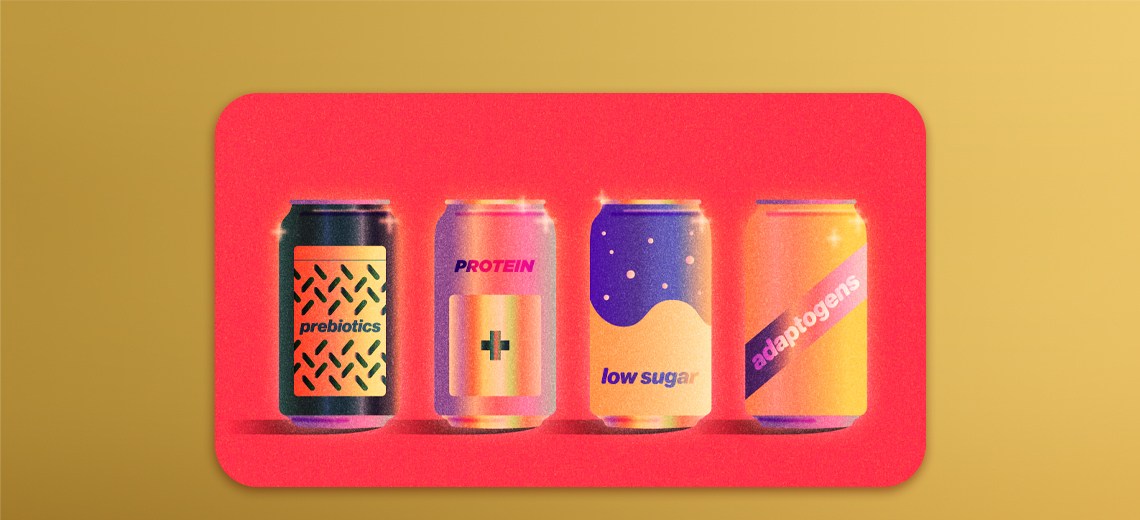
The trio walks through a variety of categories, from better-for-you food and protein sodas to skin care, oral care, sleep aids and tools for optimized breathing, among others.
As previously reported by Glossy, wellness consumers are overwhelmed with the sheer size of the assortment available today, which has bred a growing strategy toward evocative launches and campaigns that “stop the scroll.” Think: soda-flavored toothpaste and wellness brands turning into entertainment companies to sell supplements, fiber gummies and beauty peptides
Today’s conversation is rooted in the guests’ diverse specialties: Barkho covers food, beverage and wellness for Modern Retail; Lebsack reports on beauty and wellness for Glossy; and Hirsch’s seed fund is dedicated to advancing the wellness sector through investments in brands like Cure Hydration, BelliWelli, Liquid Death, Flaus and Tia.
Press play now for a colorful discussion full of thoughtful hot takes that just may change your opinion about the future of the wellness category.
And don’t forget to follow the Modern Retail Podcast for more topics like this.
On oral care being wellness
Hirsch: “We invested in Flaus, which is an electric flosser, quite a few years ago, before everyone was talking about the mouth. … The investment thesis is that your gums [are a key to your health and wellbeing. For example,] gingivitis leads to so many things, and there are studies about dementia being correlated, and so much there. The oral microbiome, and what that means for your health, isn’t necessarily all new information. But before, you had to dig a little bit, and there’s a reason you go to the dentist twice a year for your teeth cleaning, and it’s not just vanity. And so to pull that, or the air you breathe, or whatever it may be, away from wellness? The dots don’t connect for me.”
On new, fringe categories like performance breathing
Lebsack: “The confusing line for me [on what is and isn’t wellness] is between food and wellness, but then also between wellness and health. Take a category of [optimized breathing]. There’s this new company [called Intake] that just took on all this money for these really interesting nose strips that open up your nostrils for better breathing, and then I also cover this company called L Max, which is very interesting. They have an inhaler that is said to clear your lungs of pollutants. Sometimes I wonder if we should corral wellness as things that are outside our body and then maybe health is what’s inside the body, because I can see the breath strips being wellness because you’re optimizing your breath, you’re sleeping better, you’re exercising better, and it’s helping your lifestyle and your well-being. But then, when it comes to using an inhaler, I feel like that’s more health?”
On better-for-you foods as wellness
Barkho: “Right now, there’s a really interesting renaissance happening in the candy aisle. … These [brands] are very much taking a page from the European playbook. So it’s maybe using real sugar, but lower sugar, and fewer ingredients. But [I wonder]: Are they gonna actually replace [candy]? If you’re going to eat candy, maybe you go for that as opposed to, like, the mass-market brands we grew up with. So, to me, I find these two products very different. …”