This week, we take a look at how designers are incorporating vintage fashion into their businesses. While many have used vintage for inspiration, brands are increasingly incorporating vintage clothes into runway shows and marketing campaigns, and selling vintage items directly online or in-store.
Modern fashion consumers have no qualms about mixing new clothes with vintage pieces. Styling a coat from a buzzy designer’s new collection with a pair of vintage boots or a vintage handbag is common for many fashionistas today.
But increasingly, brands are also embracing the mix of old and new. Including at New York Fashion Week, in stores, in marketing campaigns and in their design studios, more fashion designers are incorporating vintage fashion into their businesses.
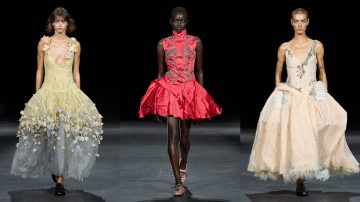
Designers are incorporating vintage in varied ways. Some are incorporating it into their runway shows. At New York Fashion Week this season, Conner Ives paired pieces of his new collection, many of which incorporate upcycled deadstock clothing, with vintage fur robes. And Tanner Richie and Fletcher Kasell, the designers behind Tanner Fletcher, showed off their latest collection in a space decorated with vintage decor and clothing the pair had sourced themselves.
Designers have always drawn inspiration from archival and vintage pieces, and using them for styling and set decoration purposes isn’t new. The real shift is turning those vintage pieces into revenue sources.
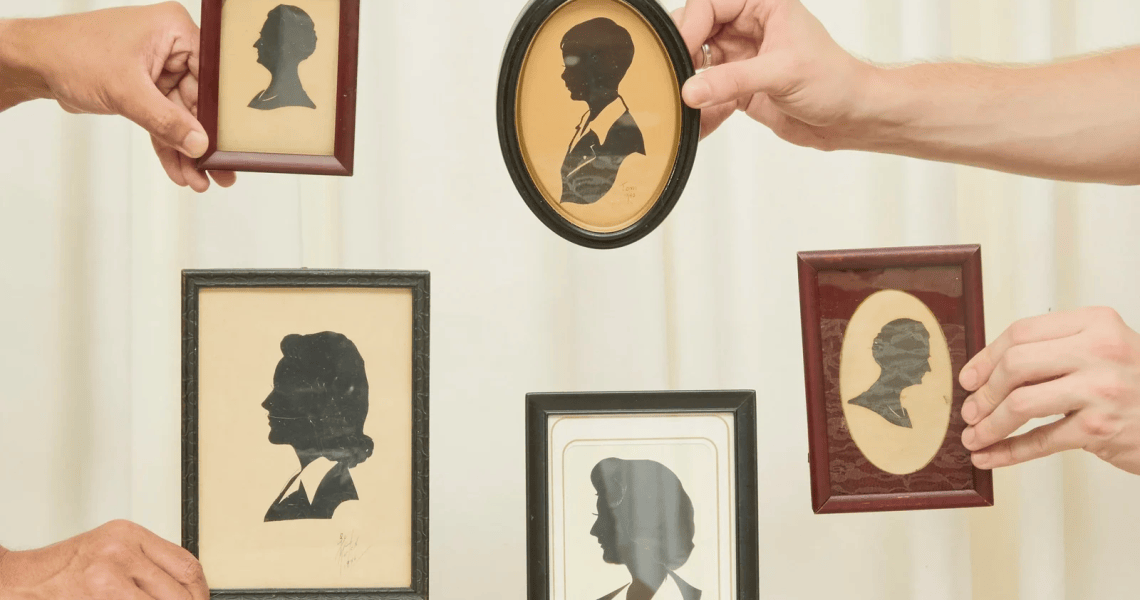
Tanner Fletcher sells vintage fashion and decor alongside its new clothes, which both Richie and Kasell said has become a popular add-on to their customers’ carts. On the brand’s website, there is a vintage section selling items like records, books, lamps and linens. Tanner Fletcher also has a series of “vintage edits” that pair the brand’s new clothes with thematically complementary vintage pieces, like a plaid skirt alongside a vintage toy log cabin house.
It helps that vintage allows brands sell at different price points without diluting their image. Tanner Fletcher can sell a $700 skirt alongside a vintage $65 picture frame, for example.
“The vintage category has really blown up for us in the last year,” Kasell told Glossy during NYFW. “We source everything ourselves. And we see our customers coming and buying a T-shirt or a dress, and they leave with a candle holder, too. And we already want our clothes to feel like vintage pieces.”
That concept of wanting to design clothes that feel like they could, or one day would, become vintage pieces themselves is common among designers. Rachel Wilder, evp of design and merchandising for women’s fashion at Buck Mason, told Glossy that she thinks of every Buck Mason piece as something that could be “future vintage.”
Like Tanner Fletcher, Buck Mason stocks its stores with vintage clothing and decor, and sells vintage, as well. Wilder said Buck Mason has an in-house vintage team whose job it is to source and merchandise the vintage items that the brand stocks in-store and online. One particularly popular category is vintage bandanas. Wilder said the team regularly sources hundreds of vintage bandanas before each season, only to see them sell out in three days.
“The customers really love it, and it complements everything else that we’re doing,” she said.
Vintage can also help test the waters on new categories before a brand commits to making them itself. Buck Mason now makes its own bandanas after seeing how well the vintage ones sold.
“Before we had denim, we sold a lot of vintage jeans in our store,” Wilder said. “It’s something the customer is used to seeing from us. It just increases the whole experience in general and lets us try new things. We’re selling vintage Hermès bags, vintage Coach bags. I love jewelry, and we just started selling vintage Rolex watches, too.”
Vintage is also becoming core for some brands’ marketing campaigns. This week, Frances Valentine rolled out the first episode of a new content series called Mission Vintage. The series follows CEO and designer Elyce Arons as she shops vintage fashion in cities around the country.
Arons told Glossy that vintage shopping was already a key part of her design process; she often sourced vintage pieces from boutiques and brought them to the office as design inspiration. Those trips, which her team began filming for social content, received a positive reaction, leading the brand to make the footage into an official marketing campaign
“It was my husband’s idea to turn it into something more,” Arons said. “He saw a video of me vintage shopping in New Orleans and suggested we turn it into a full show. It’s not just about finding the clothes but about what we do with them — how we use these beautiful vintage pieces to inspire our silhouettes or materials.”
While Frances Valentine doesn’t officially sell these clothes on its website or in-store, it has sold off pieces individually at office sales, usually when running out of room. The series is only four episodes, to start, but Arons told Glossy the team is already planning to release more episodes in the future.
Data backs up all this interest in vintage fashion. Sales of secondhand clothing have been rising for years, but they’ve been supercharged this year; 2026 sales are forecast to surge by more than 12% to nearly $290 billion. The growth of sites like Vinted and Depop, along with mainstream fashion brands embracing the sales of both their own vintage clothes and others’, will likely contribute to secondhand fashion growing twice as fast as primary market fashion in the next five years, according to ThredUp’s annual resale report.
For fashion designers, embracing vintage has increasingly become a no-brainer. As consumer desires shift, brands must follow.
“That’s how people wear things in real life,” Kasell said. “They mix new and vintage. They’re buying a new shirt and pairing it with vintage Chanel shoes.”
News to know
- Milan Fashion Week kicked off the third leg of fashion month on Tuesday. The first day’s shows included Prada and Diesel, with shows from Max Mara, Serapian, Dolce & Gabbana and Ferragamo playing out throughout the week.
- The Arnault family is planning to change LVMH’s underlying holding structure to gain more control over the world’s largest luxury company.
- Despite a downturn in its China business, Chanel said this week that it would continue to invest in the Chinese market and expects sales to turn around.