This is an episode of the Glossy Beauty Podcast, which features candid conversations about how today’s trends are shaping the future of the beauty and wellness industries. More from the series →
Subscribe: Apple Podcasts • Spotify
Revlon is betting big on fragrance as part of its highly anticipated comeback plan.
Revlon debuted in 1932 and spent the next decades launching new categories and acquiring brands and fragrance licenses on its path to becoming a drugstore darling. The company went public in 1996, trading on the NYSE, and surpassed $2.6 billion in annual revenue by the next year. But the company experienced a laundry list of challenges and, in 2022, filed for bankruptcy.
The next year, Revlon emerged as a private company owned by a consortium of its former lenders and ready for a new leader.
CEO Michelle Peluso joined Revlon in 2024 and began to unveil her comeback plan. Glossy sat down with Peluso earlier this year to learn about her vision, which includes rebranding its 20 standalone lines one by one, starting with Almay and Revlon; rethinking China’s role as a manufacturer; and reinventing and expanding its fragrance category.
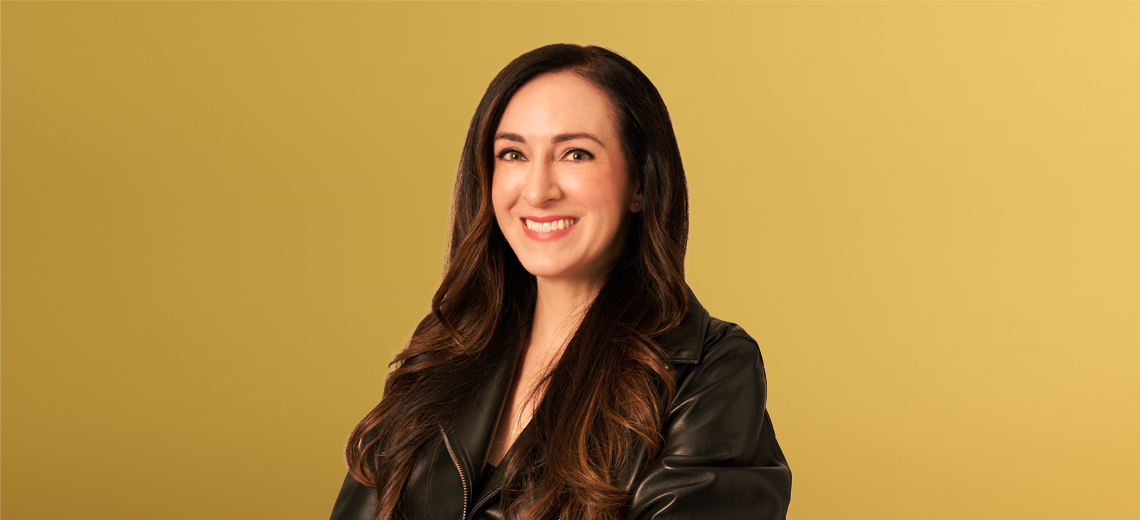
To lead the latter, she brought in Amber Garrison, a former Estée Lauder Companies exec with a fantastic track record, Peluso told Glossy.
Garrison’s background includes more than 12 years at ELC, where she led teams across corporate strategy and brand strategy. She also led brands like Bumble & bumble and Origins as global brand president.
“I was ready for a new, exciting adventure, and I think what the opportunity at Revlon presented was really the chance to build something,” Garrison told Glossy. “Revlon, as a company, as a brand, is so iconic, and yet there’s so much opportunity here, and particularly in fragrance, to shape and build and take the portfolio to the next level, and so that’s what I couldn’t turn down.”
In today’s episode of the Glossy Beauty Podcast, host Lexy Lebsack sits down with Garrison to unpack the road ahead, which is paved with celebrity fragrance deals, the rebranding of heritage scents, fashion and lifestyle licenses, and expansion into new formats.
On focusing her vision
“I have had a lot of support, and we’ve done this together, but I think for me, strategically, I look at what’s big and what’s fast-growing. So we have some parts of the portfolio, especially Elizabeth Arden, where the business today is large and successful and profitable, and we need to do more. And then we have other parts of the business that are growing, right? So, whether that’s Juicy Couture, which is growing, or some of our smaller fragrances, which are also growing, or the new licenses that we’ve recently signed, which we see as growth engines. So it’s really two pieces: It’s what do we have today that we can amplify, and how do we quickly get that engine moving faster? And then what do we have that we’re building, whether existing brands with new fragrances and new opportunities and new stories to tell, or the new brands that we’re building, and how can we get that moving quickly, but also with a lot of integrity and a lot of brand clarity to make sure that it’ll really resonate and be differentiated in the marketplace? Because, as you and I know, fragrance is so crowded, and the last thing we want to do is create yet another thing out there. It’s really, really important to go back to the core of the brand in every case. …”
On leaning into psychographics over demographics
“In our industry, we often talk about demographics, and certainly different generations and different ages have some different buying patterns. But for me, it’s also about psychographics [which are more like mindsets]. So while I would say, and you can tell from our choice of working with Leighton [Meester as a spokesperson], but the demographic profile is sort the millennial woman in that sort of busy time of life, in her 30s and 40s. But the psychographics are women who have a lot of facets, who want to feel feminine, who want to feel strong — who are all of those things and want to wear a beautiful fragrance. So I think about the demographics, I think about the psychographics, and that’s how the campaign comes together. But I think, as women, we’re so much more complex than our age, right? We have so many more aspects to ourselves, including mindset and likes and dislikes and passions, and so I think both in terms of demographics as well as the psychographics.”