Exclusivity isn’t a must for brands hoping to enter the specialty beauty retailer Bluemercury. But it doesn’t hurt either.
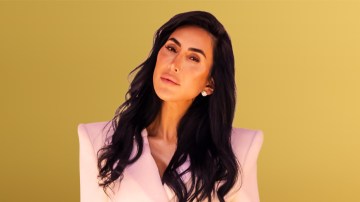
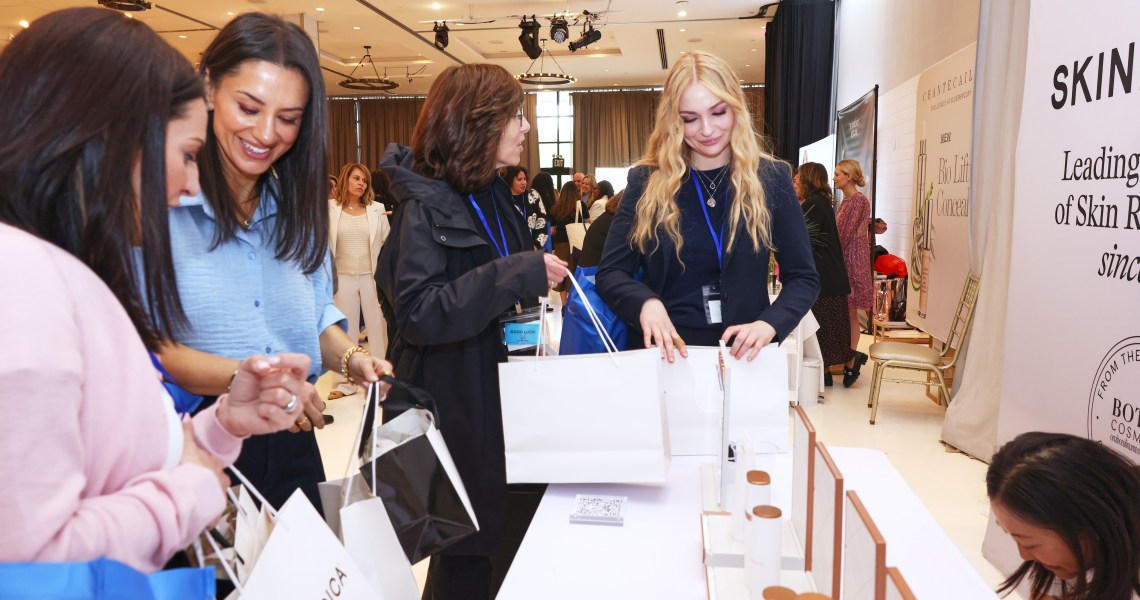
“I would say we look more for brands that have very limited distribution. We don’t want to be everything to everybody. But the core of Bluemercury is about having the best of the best,” said Jenna Goldberg, head of stores, omnichannel, merchandising, marketing and strategy, at Bluemercury. In April, Bluemercury gathered founders and execs from top-performing brands like U Beauty and Trish McAvoy in New York City to meet with and educate store managers and associates. Such one-on-one meetings are crucial to the retailer’s brand partnerships.
“Brands that are distributed everywhere aren’t going to be able to spend the time in store and with our teams that we really need them to spend. I need brands to not just be able to do things like this, but I also need them to actually be in stores,” said Goldberg. “If they are in every retailer, they’re going to be very spread thin.”
In 2026, there are more places to buy beauty than ever, ranging from online to specialty retailers and big-box stores. Bluemercury, which was founded in 1999 and acquired by Macy’s, Inc. in 2015, operates 170 stores across the country and has posted 20 consecutive quarters of sales growth, most recently achieving 1.3% comparable sales growth in the fourth quarter of 2025. Goldberg attributes Bluemercury’s success with consumers in part to its knowledgeable store associates.
“Our beauty experts understand and know products. [Clients] trust we’re going to tell them the right thing for what they need,” said Goldberg. “Over time, that relationship builds because they build that trust.”
Amid a competitive landscape, emerging and established beauty retailers alike need to give consumers compelling reasons to shop beauty on their platforms. Bluemercury has prioritized curation and education to market its 193 brands, which largely skew to the higher end of the beauty category. Its assortment includes the likes of a $300 eye cream from 111Skin, which received a minority investment from the Estée Lauder Companies in April, and Dr. Barbara Sturm’s $260 peptide serum.
More affordable retailers are taking up a similar playbook. Walmart, which has added roughly 60 beauty brands in recent months, including more prestige and masstige-priced products, is expanding its fleet of “Beauty Experts.” Those employees will act as dedicated beauty sales associates and are part of the mega-retailer’s plans to become a beauty destination.
Amazon, meanwhile, which largely does not ask for exclusivity from its beauty brands, is hoping to attract beauty consumers through its dedicated beauty sales event and evolving AI tools that aim to offer the same level of personalized recommendations as a knowledgeable sales associate. TikTok Shop, as well, has become known for its heavy discounting and bundling, along with its reliance on creators large and small to drive sales through affiliate links and livestreams.
With the rise of new beauty channels, brands are increasingly taking an omnichannel strategy to reach consumers on every platform. In some cases, that means moving away from traditional retail channels like department stores to focus on more dynamic platforms like online retailers.
As online beauty retail channels grow faster and faster, brick-and-mortar stores like Ulta and Macy’s are investing in in-person eventing and redesigned beauty layouts to drive foot traffic. In October 2023, Bluemercury unveiled a new store format with a centralized beauty bar that is more conducive to eventing. Goldberg said Bluemercury has introduced the “New Blue” format to about a quarter of its stores.
While retail trends are constantly evolving, Goldberg said the most important thing Bluemercury looks for in its brand partners is good products, however.
“First and foremost, to get into Bluemercury, you must have amazing product. There is nothing else that will get you into Bluemercury. There’s no connection, no relationship that would get you in. No amount of marketing. Bluemercury cares about [product] first and foremost,” she said.