This is an episode of the Glossy Beauty Podcast, which features candid conversations about how today’s trends are shaping the future of the beauty and wellness industries. More from the series →
Subscribe: Apple Podcasts • Spotify
Over the last week, the beauty industry has seen the closure of three major makeup brands: CoverFX and Mally Beauty are shuttering, while Pat McGrath Labs, once valued at $1 billion, is headed to bankruptcy. This comes on the heels of unexpected 2025 closures that included Ami Colé, Drew Barrymore’s Flower Beauty, REN Clean Skincare, Apostrophe telehealth skincare and Gwyneth Paltrow’s mass line Good.clean.goop.
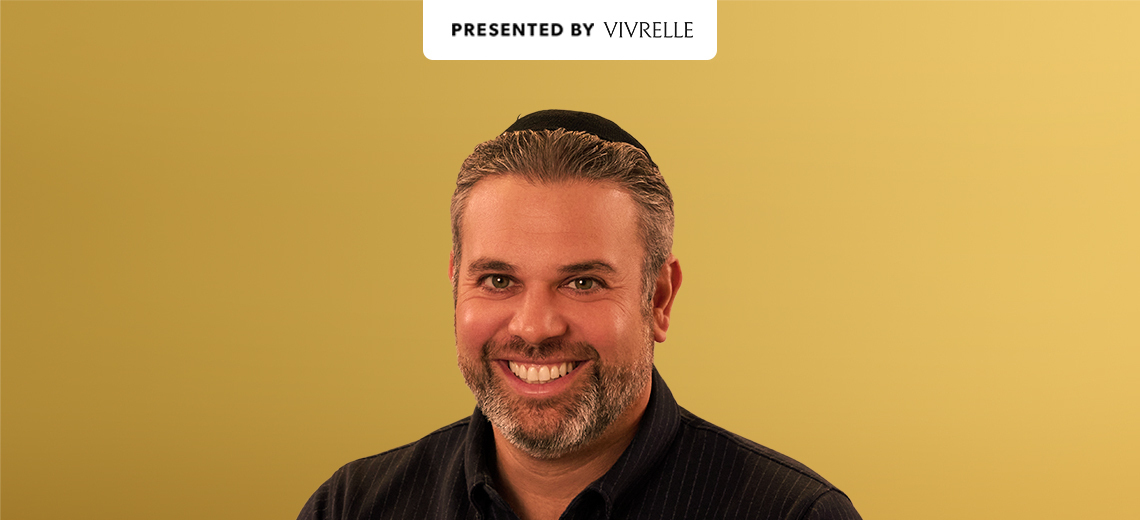
At the helm of two of these brands, CoverFX and Mally Beauty, is AS Beauty CEO Joey Shamah, the founder and former CEO of E.l.f. Cosmetics.
“We’ve been coined as a purchaser of distressed assets [at AS Beauty], but we’re not only buying [brands in] distress,” Shamah told Glossy. “We look at them in three buckets. Distressed or challenged is definitely one of them, a second one is divestitures, … and then the third way is similar, but different, where private equity funds have invested in a company, and their funds are sunsetting, so they’re looking to exit.”
AS Beauty was founded in 2019 by Shamah and three co-founders. It is the parent company of CoverFX and Mally Beauty, as well as Laura Geller, Julep and Bliss. While the latter two were sunset this past week, Laura Geller has grown more than 10x to over $300 million in sales, Julep has been the No. 1 selling eyeshadow brand on Amazon for several consecutive years, and Bliss has evolved into a multi-category lifestyle brand, according to AS Beauty. In total, AS Beauty’s annual revenue is around $500 million, Shamah told Glossy.
Shamah is also the founder and operator of Fit for Life, a fitness equipment licensing company behind brands like GAIAM, New Balance and Fila.
AS Beauty purchased Mally Beauty and CoverFX in 2021 and 2022 from investment firms Beauty Visions and L Catterton Partners, respectively.
In today’s episode, Shamah joins the Glossy Beauty Podcast to discuss the decision to shutter CoverFX and Mally Beauty — at least for now, we learned — and the economic pressure that led to the decision. He also discussed the challenges of running an underperforming brand, the warning signs that a brand is in distress, and the way an operator comes to the decision to sell, shutter or file bankruptcy.
On the potential for CoverFX and Mally Beauty bestsellers to be sold under AS Beauty brands like Julep or Laura Geller
“It very well could be [that we move bestsellers to an existing brand]. You know, it’s something that’s great about owning the brand is you own those formulas, so it’s about the right time, the right brand. It could be in a brand we already own, although they’re very, very complicated and sophisticated formulas. … Or, we can keep it in the vault, because we bring things back from the vault all the time.”
On the potential to revive CoverFX or Mally Beauty down the road
“We actually did [first consider selling both brands]. We had a partner’s meeting, and we actually had an offer from someone who was going to buy [CoverFX and Mally Beauty]. We decided we’d rather keep it in our back pocket [because] maybe there’s something there we want to reinvigorate. Maybe it works in an international market. It wasn’t worth us not having it. We like to have it in our portfolio, and we don’t know where it’s going to take us, but there’s value in that IP. … Maybe there’s a retailer opportunity where we bring it back, and we don’t know where the future is going. …[For now] we’re going to let it lie, but it’s still there. … I don’t think anyone’s going to do a better job than we are right now. You know, this didn’t impact any people, we didn’t fire anyone, it was very minimal [with only] very, very small changes. We’re giving [our team] more bandwidth to focus on the bigger opportunities.”
On the mounting economic pressures of tariffs, economic downturn and growing competition
“When I first started E.l.f., it was all incumbents [like CoverGirl, Maybelline, L’Oréal]. … Now, the whole thing is on its head [with new] brands coming out of the woodwork. Everybody’s launching a brand. … There’s just so much of that. That’s No. 1. And No. 2 is the customers: They know so much more. … They know about ingredients, they know about efficacy, they know about clean — they know everything. So there’s just so much more transparency. … I think there’s so much more you have to be [now, including] a lot more authentic and true [to the mission of] developing products that speak to your customer. I think it’s a lot harder [now].”