This is an episode of the Glossy Fashion Podcast, which features candid conversations about how today’s trends are shaping the future of the fashion industry. More from the series →
Subscribe: Apple Podcasts • Spotify
On the Glossy Podcast, senior fashion reporter Danny Parisi and international reporter Zofia Zwieglinska break down some of the biggest fashion news of the week.
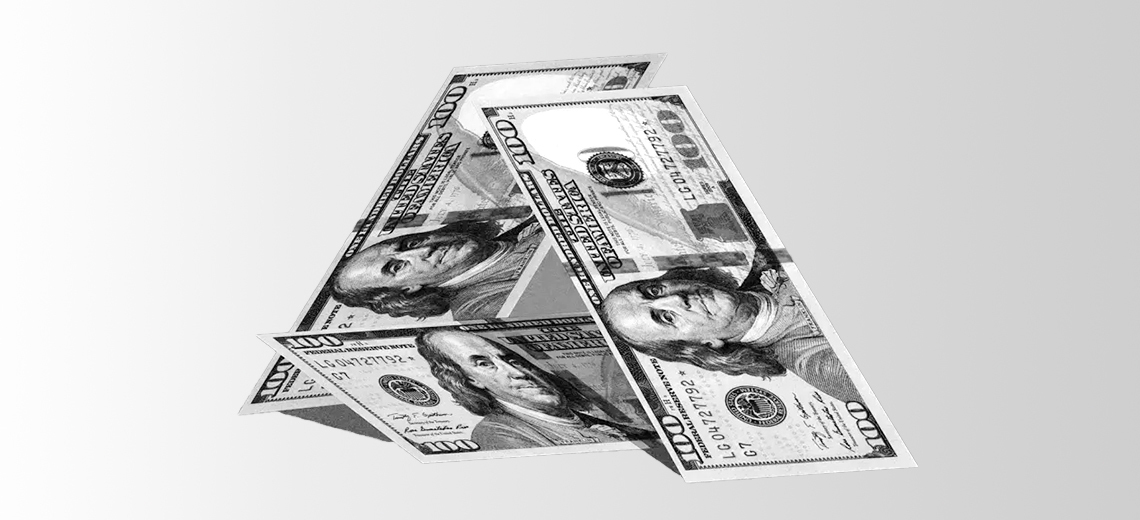
This week, we’re discussing the K-shaped economy, a term that has recently come into vogue to describe the sharply diverging fortunes of wealthier Americans and the rest. At the higher end, consumers are still spending as if nothing has changed, but lower-income consumers are cutting back on spending as the cost of living increases nationwide.
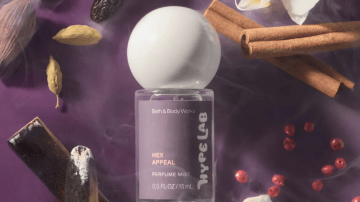
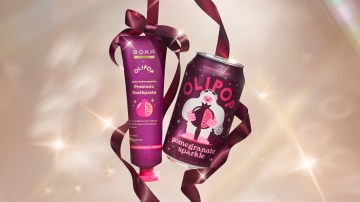
This has led brands across the fashion industry to shift their strategies. Some of them are shifting their focus to the high-end consumer, raising prices to extract more from those who are still spending. Others are placing greater emphasis on lower-priced items in their catalogues, such as Nordstrom’s recent efforts to make sub-$100 gifts a focus of the holiday season.
Here are a few highlights from our conversation, lightly edited for length and clarity.
Parisi: “In October, high-income households increased their spending by nearly 3%, while lower income households increased by less than 1%. Sometimes, saying “the economy is doing well’ can be misleading. If the stock market is doing well, that’s good for people who own stocks. But wages have been stagnating, and costs of living are going up, which is bad for people who work for a living.”
Parisi: “On average, luxury prices are 61% higher than they were five years ago, in 2025 compared to 2020. And at the same time, there are 50 million fewer luxury buyers and customers in the world than there were two years ago. So each individual purchase is worth more to the brand, so they don’t mind as much if it’s a smaller subset of people.”
Zwieglinska: “At the top end of the K, there’s an interest from brands in making VIP shoppers feel valued and understood. Those shoppers are so important to the brands that I think we will see more things catering to them, offering them something special or unique.”
Zwieglinska: “For years now, we’ve seen the rise of ultra-fast fashion like Shein and Temu. But we’re almost past that now. Instead of customers looking for things as cheap as possible, they’re just shifting categories entirely. With how things are going economically, there’s not even an opportunity to have a clothing haul — they’re instead choosing small treats. I think people will be spending on essentials and the occasional small treat.”