This is an episode of the Glossy Fashion Podcast, which features candid conversations about how today’s trends are shaping the future of the fashion industry. More from the series →
Subscribe: Apple Podcasts • Spotify
On the Glossy Podcast, senior fashion reporter Danny Parisi and international reporter Zofia Zwieglinska break down some of the biggest fashion news of the week.
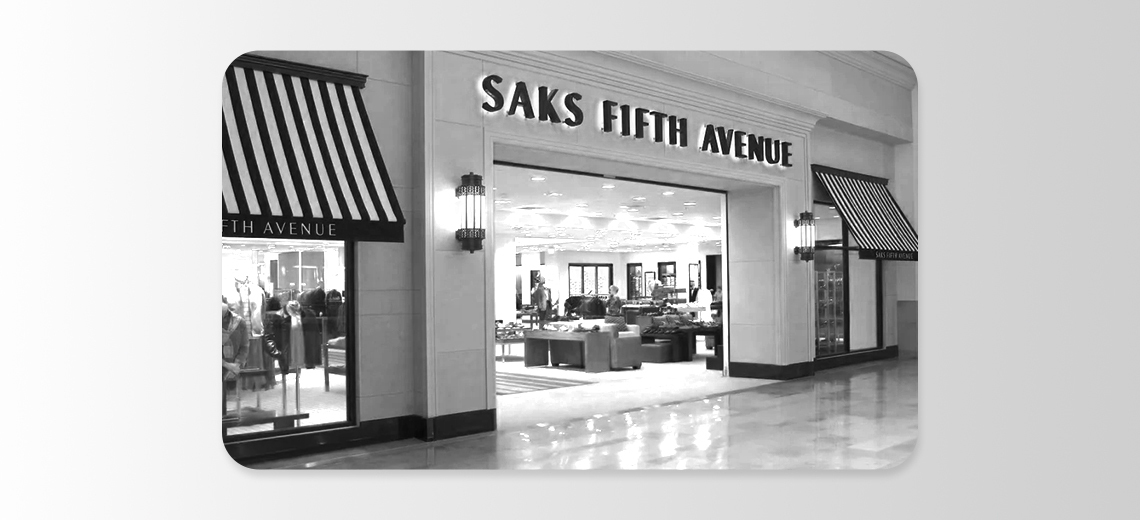
This week, we’re talking about the bankruptcy filing of Saks Global, something that many had predicted would happen over the last few weeks as the company’s debt load continued to grow. Saks reportedly owes hundreds of millions of dollars to its various vendors, including bigger brands like Chanel and Kering.
The bankruptcy also drew the ire of Amazon, which had invested hundreds of millions into Saks’ acquisition of Neiman Marcus two years ago, the value of which Amazon now says is worthless.
We discussed the ripple effects that Saks’s bankruptcy will have on the company, on the brands that work with it and on luxury shopping, in general. Below are a few highlights from the conversation, lightly edited for length and clarity.
Parisi: “It feels like this was a doomed venture from the start. The merger was barely two years ago, and I remember speaking to brands at the time who were very bitter that Saks had the money to complete a multi-billion-dollar merger but couldn’t pay them back $15,000 that they owed them.”
Zwieglinska: “I know companies like Fixer Advisory are advising their clients who worked with Saks to centralize their records, organize them and stop any collection activity, because, from a legal perspective, you can’t do that once a bankruptcy has been declared. And [they’re advising them] to be very deliberate with shipments. A lot of brands have stopped shipments to Saks entirely, even before the bankruptcy was filed.”
Parisi: “The first big ripple effect is that I don’t think any of the brands that are owed money are going to see it paid back in full. We know from similar situations, such as MatchesFashion, that they will likely get pennies on the dollar for what they’re owed. These are big brands. Chanel is owed over $100 million by Saks. They’re not getting all of that back.”
Zwieglinska: “I spoke to Mark Cohen, who’s a retail analyst, director of retail studies at Columbia Business School and the former CEO of Sears in Canada. He said that the business structure of department stores in the U.S. is almost broken. There is no real niche, no audience that department stores are serving. And I think we’re seeing that play out across luxury multi-brand retail in the U.S., not just with Saks.”