The K-shaped economy is no longer a theory. It is now dictating which companies grow, which stall and which are forced to rethink their position in the market. The idea is simple: spending is rising at the top, holding steady on the value end, and hollowing out in the middle. For fashion and luxury brands, that split is reshaping pricing, assortment and long-term strategy.
On Burberry’s most recent earnings call on November 13, CEO Joshua Schulman described the environment as “very bifurcated and very specific, in terms of how a [luxury] brand is performing,” adding that the industry is “probably more polarized than the rest of the world.” That polarization has surfaced repeatedly across third-quarter earnings reported throughout November and December.
LVMH and Kering emphasized their disciplined pricing and full-price sell-through, and Richemont pointed to sustained demand at its jewelry brands, which typically command a higher price point (and a wealthier customer). LuxExperience — parent company of Mytheresa, Net-a-Porter, Mr Porter and Yoox — said growth at Mytheresa was being driven by what CEO Michael Kliger called “big-spending wardrobe-building customers,” with average order values reaching record highs. Across groups, momentum is concentrated at the top end of the market.
The split has also been visible further down the funnel. During Black Friday, traffic did not disappear, but it flowed unevenly. “Retailers who are really focused on value are doing very well, and retailers that are really focused on a higher-income consumer are doing well,” said Elizabeth LaFontaine, director of research at the location intelligence platform Placer.ai. “That leaves a lot of the traditional apparel retailers in the middle really fighting amongst themselves for the consumer’s attention.” In other words, the middle is no longer the safest place to be.
In footwear, that divergence is playing out in pricing data. According to wholesale platform Joor’s 2025 Global Footwear Analysis, published in November, shoes priced under $250 now account for 42% of market share, while the $500-$1,000 luxury tier has fallen sharply since 2021.
The footwear brand Malone Soulier is a smaller luxury brand adapting to that reality. Under new CEO Andrew Wright, the brand has leaned into accessible flats, while simultaneously expanding higher-priced made-to-order and bridal styles. “Affluent consumers are still spending at the top of the market, while the middle is trading down,” Wright told Glossy in November, while describing “a tough moment [for footwear brands].” He called Malone Soulier’s made-to-order business “complicated, but worth it,” pointing to rising demand for personalization.
Looking forward, Jonathan Cropper, the founder of Futurlogic and board advisor to the Insurgent investment fund, who has helped shape innovation strategies for luxury brands including Aston Martin, Four Seasons and Ralph Lauren, said, “In 2026, wealthier people will continue engaging their purchasing power, while lower-income Americans will pull back spending.”
That creates long-term tension for luxury, he said. “How do you maintain that elite status while encouraging inclusiveness for lower-income people, who [have the potential to] grow into deeper luxury consumers in the future?” he said. He predicted that hospitality concepts, branded cafés and experiential retail will gain popularity as accessible entry points to luxury, alongside brands offering inclusive exclusivity. “Quality products that are more affordable, but still allow for aspirational feelings and prestige, are critical,” he said. Brands offering this quality and affordability, compared to luxury brands, have proven popular in 2025.
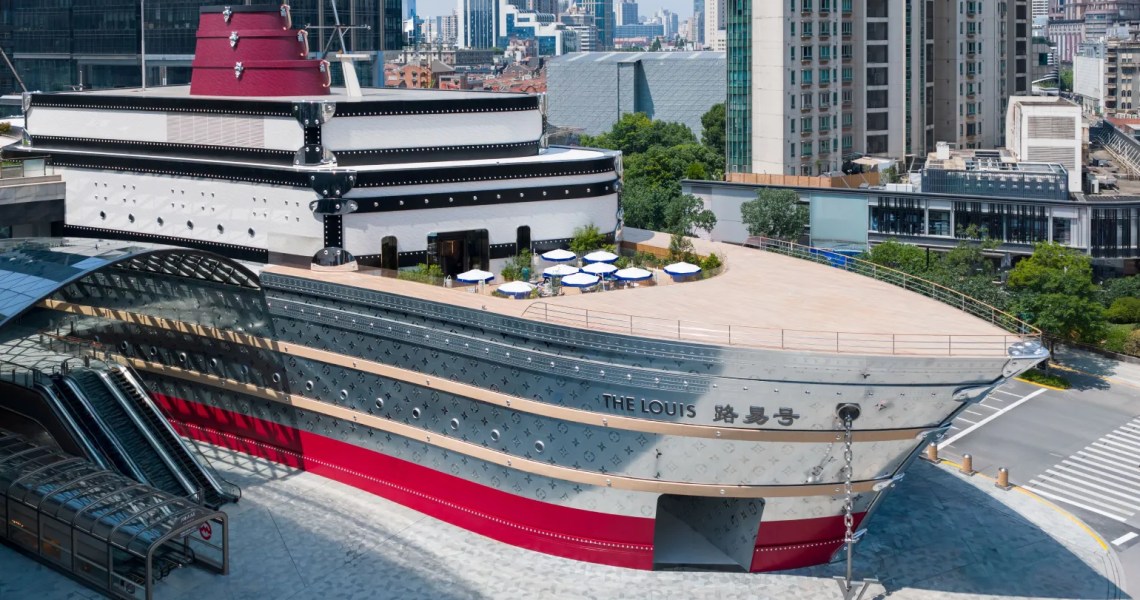
And experiential retail has become a common investment. In 2025, Louis Vuitton’s cruise-ship-shaped Shanghai flagship, The Louis, drew crowds and social traction by combining exhibitions, a café and events, offering spectacle and cultural access even to non-buyers. And, in 2026, Louis Vuitton is set to open its first branded hotel on Paris’s Champs-Élysées.
Other luxury brands are following similar playbooks at different scales while also managing their VIP shopper lists. : Ralph Lauren now operates more than 40 global Ralph’s Coffee cafés, alongside destination restaurants like The Polo Bar in New York and Ralph’s in Paris. A London Polo Bar outpost is set to open in 2028 in the old Vogue building in London. And luxury houses including Dior and Hermès continue to invest in museum-style spaces — Hermès’s Carré H reopened last year as a gallery-style celebration of craft and design.