This is an episode of the Glossy Beauty Podcast, which features candid conversations about how today’s trends are shaping the future of the beauty and wellness industries. More from the series →
Subscribe: Apple Podcasts • Spotify
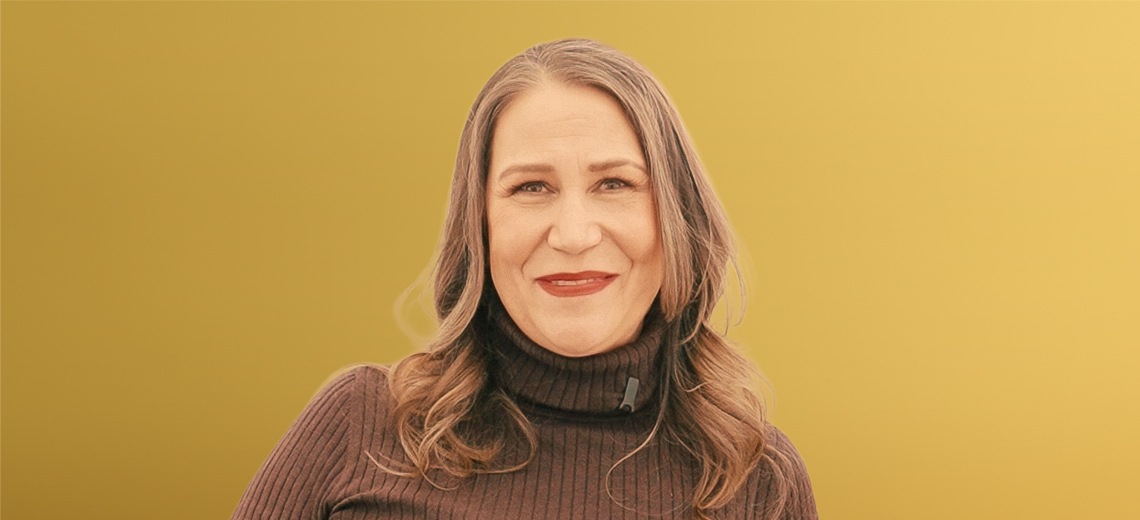
Indie Lee launched her namesake beauty brand — a pioneer of the “clean” beauty movement — in 2010. Now owned by parent company American Exchange, the brand is embarking on a new chapter: a diffusion line, Indie Lee Botanicals, which launched at Whole Foods in February. The range launched with a tight edit including a cleanser, toning mist, serum and moisturizer, each priced $20-$25.
On this week’s episode of The Glossy Beauty Podcast, Lee joins co-host Sara Spruch-Feiner to explore why now was the right time to launch a lower-priced line, how she approached maintaining efficacy while cutting costs, and how this diffusion brand will grow and shape her core collection’s future.
The conversation also dives into how shifting consumer behavior, whether driven by economic pressure or interest in ingredient safety, is reshaping how and where people shop for beauty products.
The origins of ‘Botanicals‘
“When we take a look at what was happening in the economy, my purpose was to bring safer beauty to the masses. What we have now is more of a prestige line, and people can’t afford that necessarily. [So] we said, ‘OK, how do we stay true to my mission?’ which is to empower others to live the healthiest version of their life, using our products as a way to have that conversation and provide healthier products. And so the idea was born. [We thought]: Why not create a diffusion line that has the same brand ethos that Indie Lee core, as we call it, has? [That includes] doing no harm to the environment, being cruelty-free, and [causing] no harm to animals and, certainly, no harm to us humans.”
The financial need for a diffusion line
“We’re not doing this to build the brand. This is based upon a human story. What I’ve been going through, and taking a look at what everybody’s going through at this point in time in the world, people cannot afford to feed their families. People are starting to decide whether or not they’re taking vacations. Can they afford to get to work? Because they have to fill up their cars, right? You’re taking a look at what’s going on, and the very human aspect — this is meeting consumers where they’re at. … This is based on what’s happening now, and what we’re hearing consumers are frustrated with and can’t find. So, when I have conversations with our consumers, they’re like, ‘Indie, I love your products, but right now I can’t afford it.’ How can I not respond, if my whole reason for being was to create healthier choices, [not] just for those who can afford it?”
Making ‘Botanicals’ more affordable
“We had to look at what is expensive, and obviously, it does come down to components a lot of the time. A lot of our core line comes in glass components — PCR, glass — that’s very expensive. It means you need a fluted liner in every box. So that’s like, you have the box, and then you have the liner inside of it that protects the glass, right? Then you have the glass. Then let’s add the cost of shipping the components to the manufacturer. Then, after being filled with the product, it has to go to the warehouse it’s being shipped to. All that also increases the price when you’re dealing with a very, very heavy component. So that was the first thing we took a look at: OK, I think we need to shift this out of expensive glass, which isn’t always clean to make, either into PCR plastic or, where we can, we’re looking at aluminum. … Obviously, we still take sustainability into account as best we can. But the big thing was being able to do this at a [lower] price point. So those were the major shifts.”