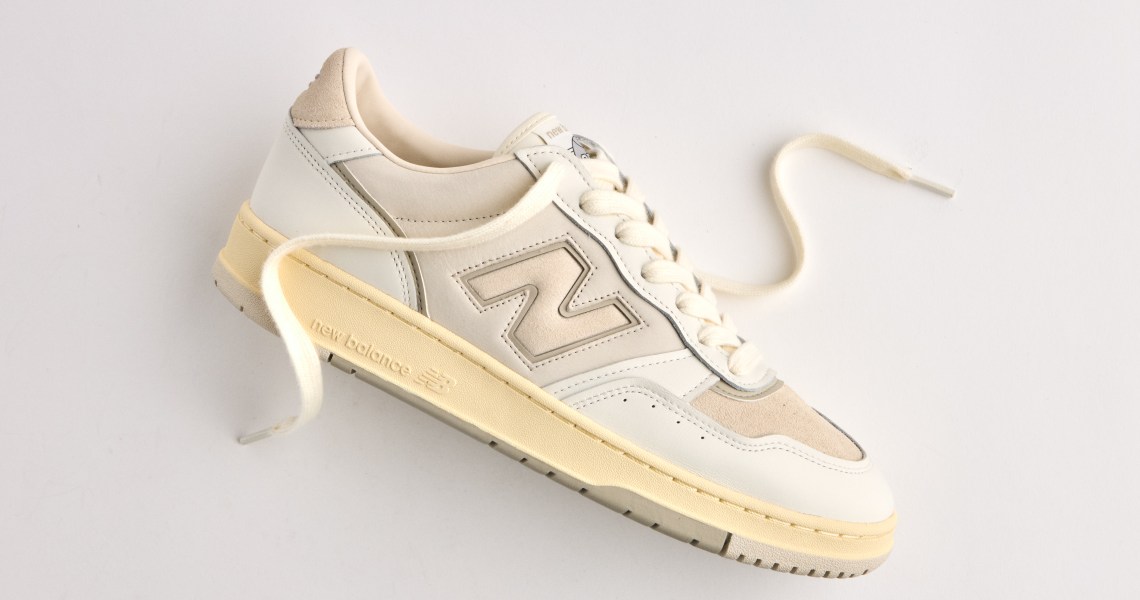
This week, we’re taking a look at the changing cadence of sneaker launches. Frequent iterative releases are giving way to infrequent, more impactful drops aimed at alleviating sneaker fatigue.
In recent years, the sneaker release schedule has become cluttered with new drops. Big brands like Nike and Adidas leaned into the resale craze for unique and limited-edition sneaker drops, resulting in a calendar that became overwhelming for even the most die-hard collectors.
But data suggests consumers are losing interest in frequent drops. Sales growth for new sneakers peaked at 13% for U.S. brands in 2022 and has steadily dropped year-by-year to just over 1% in 2025. According to data from the retail analytics company Edited, Nike Dunks had a sell-out rate of 33% in 2023. But by 2024, 75% of Dunks were sitting unsold on shelves.
So now, sneaker brands are taking a different approach: slowing down their release schedules and introducing entirely new silhouettes, rather than iterations on existing models, to make each release feel more impactful.
This aligns with consumer trends: Buying sneakers now is more about collecting and wearing than flipping them for a profit. The sellers’ market, with easy 10x mark-ups on resold sneakers, has turned into a buyers’ market, where sneakers are selling at or below retail price. As of the beginning of 2026, the total merchandise value of the U.S. sneaker resale market has grown to around $6.5 billion, up from $6 billion last year, but the share of releases trading above retail price has fallen by 47%, down from a peak of 58% in 2020.
Nike’s Air Jordan High, one of the Jordan silhouettes that had become a staple in frequent release calendars, is releasing far fewer drops than in previous years and will likely see even less next year, according to sneaker news source Zsneakerheadz. In 2025, Jordan released over 100 Air Jordan models.
Likewise, in 2024, Nike announced plans to scale back its production of Dunks — which, with its weekly new drops of new colorways and collaborations, had become one of its most coveted models in the early 2020s. The move was driven by an oversupply and a projected 70% drop in Dunk sales. From a peak of over 150 new Nike Dunks in 2023, the number dropped to a few dozen in 2025.
The glut of sneaker inventory, along with the downturn of discretionary spending among American consumers, has led to a tangible decrease in demand for new releases. Multiple sneaker resale companies, including 303 Boards and Sneaker City, have declared bankruptcy, while sneaker resale shops across the country have had to offload inventory and close locations.
Amrita Bhasin, founder of the supply chain company Sotira, who has worked with and advised sneaker brands over the last five years, said the sneaker hype bubble has popped.
“I was in the sneaker space through all this, and I have seen the sneaker Discords going from thousands of active members to a few hundred,” she said. “Brands like Nike and Adidas just made way too much inventory; they clogged up the channels and made sneakers feel less special.”
As more indirect evidence of the oversupply of sneakers, the sneaker resale app Goat launched a sister site, Sneakers.com, in May that sells deeply discounted sneakers. The sneakers are all brand new, selling below retail price, and include both classic shoes and newly released styles. Notably, the Air Jordan 1 High, the same shoe Jordan is reportedly going to be pulling back on in the next year, can be found for as low as $60.
In response, sneaker brands are working to make each new release more impactful through big media campaigns tied to each drop, rather than through unceremonious frequent releases. Nike CEO Elliott Hill spoke on the brand’s most recent earnings call about slowing sales at both Jordan Brand and Nike’s footwear and sportswear divisions, saying that it is “critical to [restore] sustainable top-line growth because, together, [the categories] represent approximately half of our revenue.”
“In the second half [of the year], Nike Sportswear will introduce more than a dozen new footwear styles, each with distinct consumer journeys,” Hill said. That’s an increase from the roughly half-dozen new silhouettes Nike typically releases in each half of the year. “But this work will take time to scale and translate into consistent results.”
Nike’s recently-revealed First Sight collection is a great example. Revealed in March, the new line comprises all-new silhouettes designed for female athletes. Releases have been coming intermittently, with the third model set to release this week. All have been unique silhouettes, with the latest release coming out lace-free. For comparison, over two dozen versions of the Air Max Muse, a new silhouette debuted in 2024, are available on Nike’s online store.
Jeff Scott, expert product line manager for energy footwear and collabs at Nike, said in a press release that the goal for the First Sight collection is to provide something “new and exciting.”
Nike has also teased other entirely new silhouettes, often letting the hype build over time before the sneaker actually releases. Earlier this month, NBA player AJ Dybantsa was spotted at practice wearing a new and unreleased Nike basketball shoe that didn’t match any existing silhouette.
New Balance has taken a similar approach. Most recently, the brand released the 950, a brand new silhouette and the latest addition to its product catalog. The 950 is inspired by 1980s basketball shoes but features premium materials like leather and suede. It’s being promoted through a media campaign featuring NBA player Cooper Flagg.
Dave Kent, senior product manager of lifestyle and energy at New Balance, said the decision to release a new sneaker model rather than an iteration on a previous model, like the New Balance 550, came down to identifying gaps in the portfolio and a chance to bring variety and newness to the brand. New Balance has released half a dozen entirely new silhouettes this year, including the 1890 in June.
“We have our seasonal calendars and our pre-season meetings, where we all come together, take a look at our catalog and decide what we’re missing,” Kent said. He noted that the 550, a classic model reintroduced in 2020, has become a major success for New Balance. The model accounted for 36% of all New Balance sales on Goat in 2022. “We have had the same models for a few years now. The 550 has been really successful, but it felt like the perfect time to inject some newness.”
Bhasin said New Balance is among the brands that have taken advantage of the lull in the sneaker market to break in and steal market share. New Balance hit over $9 billion in annual revenue in 2025, a 19% year-over-year increase and a record for the brand.
Adidas, meanwhile, is taking a different tactic. Rather than iterating on existing models or releasing something entirely new, it’s digging deep into the archive, according to Stephon McCoy, founder of the sneaker analytics company HauteFire.
“Adidas is doing this really well with the Megaride, a performance running shoe from the early 2000s that sat dormant for two decades [and was rereleased in 2024],” he said. “Instead of leaning harder on an already oversaturated Samba or Gazelle, they’re building real momentum behind Megaride through collaborations like Thug Club out of South Korea, Willy Chavarria, and Kith x Messi.”
McCoy said Nike has dabbled in this strategy, as well. In 2025, it revived its Shox sneaker line, which peaked in popularity in the early 2000s, by collaborating with brands like Comme des Garçons.
“That’s a smarter release valve than just cranking out more colorways of a shoe that’s already everywhere,” he said.
Executive moves
- Bottega Veneta appointed Romain Spitzer, the longtime head of fragrance for LVMH, as the brand’s new CEO.
- After a 14-year stint as the creative director of Balmain, Olivier Rousteing has been confirmed as the new creative director of the luxury brand Rabanne.
- Alessio Vannetti, a veteran of Prada and Zegna, was appointed the new CEO of La Perla as the brand seeks to relaunch.