Bill Jula, CEO and co-founder, Postgame
For the past several years, sports marketing and influencer marketing have converged — pushing brands to find new ways to weave athlete partnerships at scale into their broader influencer programs.
As reported by Glossy, college athletes are increasingly appearing in major brand campaigns through name, image and likeness (NIL) deals, showing up in a big way for apparel brands such as Hollister Co. and adidas. The total market size for NIL partnerships was $1.67 billion for the 2024–2025 season and is projected to reach $2.8 billion in the 2026–2027 season.
For brands looking to win Gen Z and establish a presence on college campuses, college athletes are among the most compelling opportunities in influencer marketing. Highly engaged, community-rooted and trusted by their peers, they carry real-world influence that goes well beyond their follower counts.
NIL deals have diversified athlete-led strategies for marketers
When the NCAA finally allowed college athletes to monetize their name, image and likeness in 2021, it changed the game for brands and athletes alike. For the first time, students competing at the collegiate level could be paid for partnerships. This opened a powerful new digital marketing channel that allows brands to build impactful campaigns with campus ambassadors at scale.
While traditional sports marketing has long relied on the notoriety of a select few high-profile athletes, NIL has given brands the ability to partner with thousands of college athlete influencers through full-service sports agencies such as Postgame. Across a single campaign, these activations achieve higher engagement and viewership than traditional influencer programs alone.
The brands that have recognized this shift have adapted accordingly. Rather than relying on a small number of marquee names, the smartest marketers are weaving together the notoriety of a few top athletes with a roster of local athlete ambassadors — adopting an always-on approach that keeps campaigns relevant year-round and ready to activate at a moment’s notice.
Increasingly, marketers are thinking bigger: integrating athlete and influencer partnerships into a single, unified strategy. High-profile athlete-led content launches a campaign and drives initial visibility, while a wider roster of ambassadors sustains momentum over time. Brands that connect these layers can extend their reach by coordinating appearances and events on or near college campuses during times of peak visibility. The result is a full-funnel system where digital engagement and real-world participation are planned and delivered together — blanketing campuses with influence and sustaining that impact for the life of a campaign.
Brands are leaning on agencies for strategy and execution
Brands across verticals, including adidas, CVS and Raising Cane’s, are taking a new approach to working with college athletes.
Rather than building a campaign around one athlete and hoping it connects, they flip the script, building an extensive roster of athlete ambassadors to maintain a consistent flow of athlete-driven content throughout the year. When markets heat up around performance milestones, championships and local moments, these relationships and community connections are already in place. This always-on presence feels genuinely authentic: Brands aren’t showing up at the moment of peak visibility — they’ve been there all along.
Demand is first generated through partnerships with marquee athletes, then sustained through waves of influencer content and experiential activations that are already primed and engaged. Brands benefit from a steady stream of fresh, relevant content year-round, while remaining positioned to capitalize on high-visibility moments.
This approach is made possible through full-service sports marketing agencies that lead campaign development, athlete contracting, content creation and on-site execution. For instance, Postgame’s model allows brands to work with a single partner across influencer content, experiential and activation — simplifying what has historically been a fragmented process.
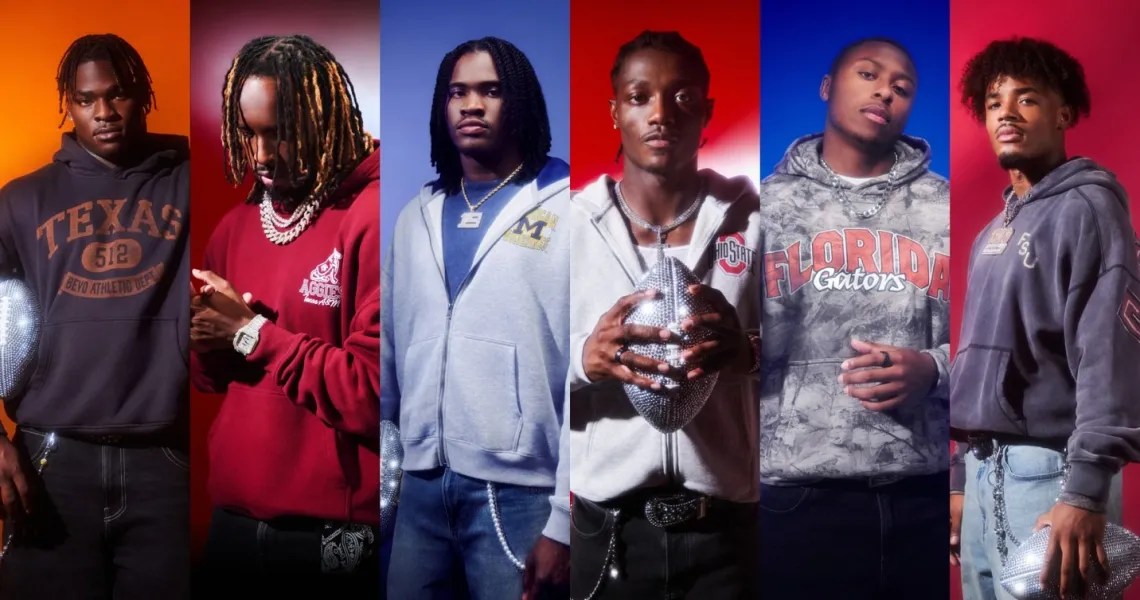
Standout moments have included a fan engagement event in Columbus, Ohio, for Hollister featuring football stars and eventual national champions from Ohio State University. Other recent highlights included a celebration for the Indiana Hoosiers national championship at a campus CVS in Bloomington, Indiana, and meet-and-greets at Raising Cane’s locations with Michigan and UCLA athletes, including Bruins stars Lauren Betts and Kiki Rice, after this year’s March Madness championships.
Postgame has coordinated dozens of similar athlete appearances for other brands nationwide, including Dick’s Sporting Goods and Urban Outfitters. Other activations have included festival events and pop-up retail experiences for brands such as adidas, Stanley and CeraVe. Across every activation, the strategy has been to generate demand digitally, then drive real-world engagement and conversion at scale.
In each case, Postgame’s longstanding relationships with athletes and their representatives enabled these activations to come together quickly, attract massive crowds and deliver meaningful exposure for both the brand and the individual retail location. Since the agency oversees the entire execution process — from athlete sourcing and campaign promotion to event operations and on-site management — it can predict turnout, manage demand and deliver measurable impact with a high degree of confidence.
With athletes at the center, influencer campaigns unlock awareness and action
Creator-driven marketing reflects a broader shift in how brands work with athletes. It’s about leveraging the scale and community connections of athletes to maximize campaign impact, rather than simply partnering with the biggest names. When done right, athlete partnerships become the engine behind fully executed campaigns that drive awareness and real consumer action.
“Brands need consistent access and execution with the true influencers on college campuses: college athletes,” said Bill Jula, founder and CEO of Postgame. “We’ve built a model that takes the work off our partners’ plates entirely — from strategy through activation — driving outcomes without added complexity.”
As the creator economy continues to evolve, the next phase of influencer marketing will be defined not just by who marketers can reach, but by what they can make happen.
Sponsored by Postgame