On Thursday, David’s Bridal launched an ambassador program dubbed David’s Style Squad. The idea is to treat included creators, customers and store associates as part of the same performance channel, paid based on their ability to convert.
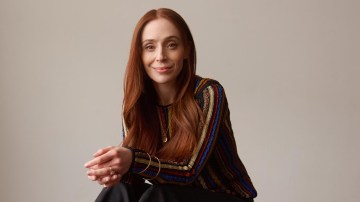
“We look at this the same way we look at paid search or paid social,” said Lisa Horton, chief communications and creative officer at David’s Bridal. “It has to perform.”
Participants earn 5-15% commission per sale of items they post, with top performers eligible for up to 20%. Selling is tracked through individualized affiliate links and promo codes, and performance determines who earns more and whose content gets amplified. Store associates earn the same commission rates and receive the same incentives and resources as external creators.
The company quietly rolled the program out internally a week before launch, and more than 50 employees across departments have signed up.
Creators and associates promote products using social-first digital imagery and UGC-style content. While store associates already earn commission on in-store sales, this marks the first time David’s has extended commission to social-driven commerce. Wedding gowns at David’s typically range from $300-$3,000, with many styles priced under $1,000.
David’s Bridal is widely regarded as the largest bridal retailer in the U.S., holding the biggest share of the bridal market by sales, according to industry research. Before launching Style Squad, David’s Bridal’s influencer strategy focused on flat-fee partnerships and organic content tied to its owned planning and media platforms.
Horton said the idea grew out of behavior the company was already seeing on social platforms. Long before the program existed, employees were creating viral TikTok and Instagram content organically. For example, in July 2025, a store associate in San Antonio posted about the retailer’s alterations team creating miniature wedding outfits for Labubu dolls. The video surpassed 1 million views, and David’s ultimately turned the moment into a formal offering, allowing customers to commission custom mini gowns alongside full-size bridal looks.
“We didn’t ask [the associate] to do that,” Horton said. “She was excited and proactive. That kind of content is incredibly hard to manufacture, but it’s very easy to support once you recognize its value.”
Employee and creator ambassadors will receive monthly training webinars, social toolkits and guidance from David’s social team. Employees are also allowed to shoot content in stores during their work hours, giving them access to hundreds of dresses without David’s having to invest in product seeding or home setups.
The performance-first structure reflects a growing skepticism around flat-fee influencer deals, particularly as marketing budgets come under pressure. Horton said tying earnings to outcomes often leads to stronger content, not weaker.
“When creators have skin in the game, they invest differently,” she said. “You can pay someone upfront, or you can give them the opportunity to earn significantly more over time if the content resonates. The people who choose that second option tend to be the ones who are truly aligned with the brand.”
In a press statement, Chief Executive Kelly Cook said the model speaks to a broader evolution in retail marketing: “Traditional influencer deals were about reach. What we’re doing is about relevance and revenue. That changes how every creator approaches content.”
David’s is not eliminating flat fees entirely. The company plans to selectively pay for content usage, amplification and specific creative concepts. But the foundation of the program is commission-based. In addition, Horton said the company has already begun reallocating spending away from traditional editorial shoots toward creator-led content and user-generated content.
“If we’re paying out millions in commissions, that means the revenue is there,” said Horton.
The launch reflects a broader reset at David’s. The retailer emerged from Chapter 11 bankruptcy in 2023 after being acquired by a group of lenders, a process that prompted a leadership overhaul. Former CEO James Marcum departed as part of the restructuring, and Cook was appointed CEO later that year with a mandate to stabilize the business and modernize the brand.
Under Cook’s leadership, David’s has repositioned itself less as a traditional bridal retailer and more as a technology-enabled marketplace. The company has expanded into wedding planning tools, retail media and services like a travel concierge, framing its strategy around what it calls an “Aisle to Algorithm” model.
David’s is privately held and does not disclose detailed financials. But Horton pointed to strong momentum online and across online retail, particularly on mobile. More than a third of bridal purchases are now made online, according to industry sources, including higher-ticket items like gowns.
Large retailers like Sephora have long run ambassador programs that cultivate creator communities and drive sales through organic content, with benefits ranging from early access to products to exclusive experiences for creators. U.K.-based fast-fashion brand Boohoo and activewear brand Lululemon have similarly developed structures where everyday fans and local influencers can earn rewards or commissions for driving engagement and sales.
With the new program, customers can now discover products through social content, and book appointments or complete purchases online.
But there are risks. Performance incentives can skew content toward bestsellers, and open enrollment can lead to content saturation. Horton said the company expects a mix of inspirational, service-led and product-focused content to emerge naturally, particularly as ambassadors spotlight the company’s categories beyond bridal gowns, including bridesmaid dresses, occasionwear and alterations.
In the longer term, Horton said ambassadors could eventually play a role in David’s live-shopping initiatives, product launches, and planning and media platforms.
For now, the retailer is focused on proving that creator marketing can be held to the same standard as any other acquisition channel. In an environment where brands are under pressure to justify every dollar, David’s is betting that accountability will matter more than polish.
“If creator marketing is going to scale,” Horton said, “it has to earn its place.”