
The Glossy 50 honors the year’s biggest changemakers across fashion and beauty. More from the series →
They leveraged science or technology to gain an edge and prove new concepts.
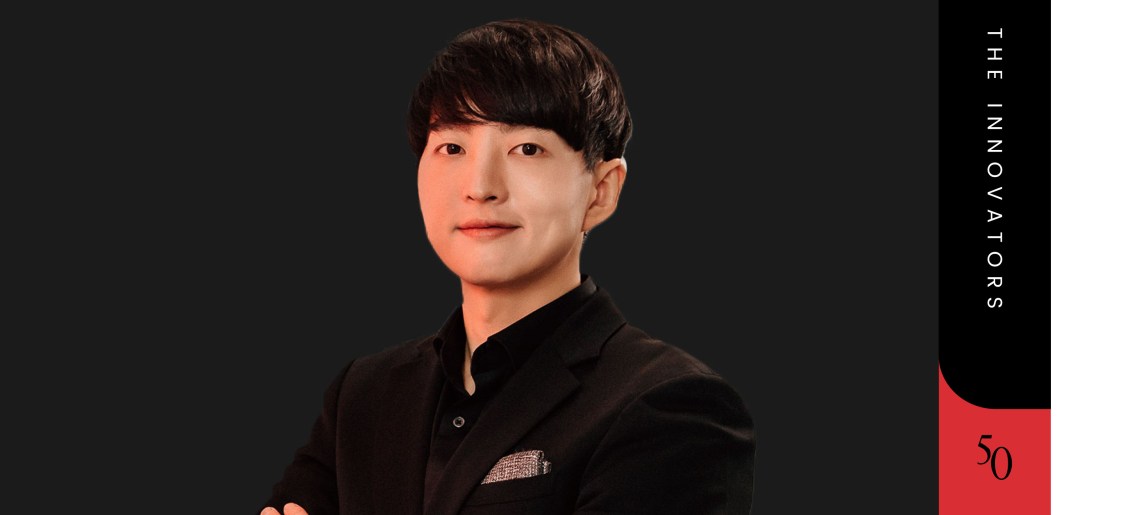
In July, Medicube cited a 2025 revenue target of $1 trillion won, or approximately $680 million USD. In the first three quarters of the year, it generated $666 million in revenue, representing 100% year-over-year growth. Based on its strong holiday sales momentum, it expects full-year sales to surpass its $680 million goal.

In 2013, Gail Federici founded Color Wow at the age of 64. Starting a new hair-care business was not part of the entrepreneur’s plan — as co-founder and CEO, she had sold John Frieda to Kao Corporation in 2002. This June, the hair mogul achieved her second exit: L’Oréal acquired Color Wow for an estimated $1 billion.

When Phoebe Gates and Sophia Kianni launched Phia in April 2025, they set out to provide something that hadn’t existed before: a real-time AI shopping assistant capable of helping users make smarter, faster and more confident decisions. In its first five months, the app saw more than 640,000 downloads, partnered with 5,000 brands and resellers, and established itself as a promising AI-native retail startup.

It takes a lot of time, money and resources to usher an entirely new hair-care format into the mainstream. In July, consumer goods juggernaut Procter & Gamble parlayed more than a decade of research on waterless product formulation into Gemz, a line of single-dose, waterless shampoo and conditioner tiles marketed to Gen-Z consumers and sold exclusively at Target. Robert Reiss, brand vp of North America hair and disruptive innovation at P&G, shepherded the line from concept to launch as part of his 18-year tenure at the conglomerate.