The Glossy 50 honors the year’s biggest changemakers across fashion and beauty. More from the series →
Based on big growth or expansion, it was their year.
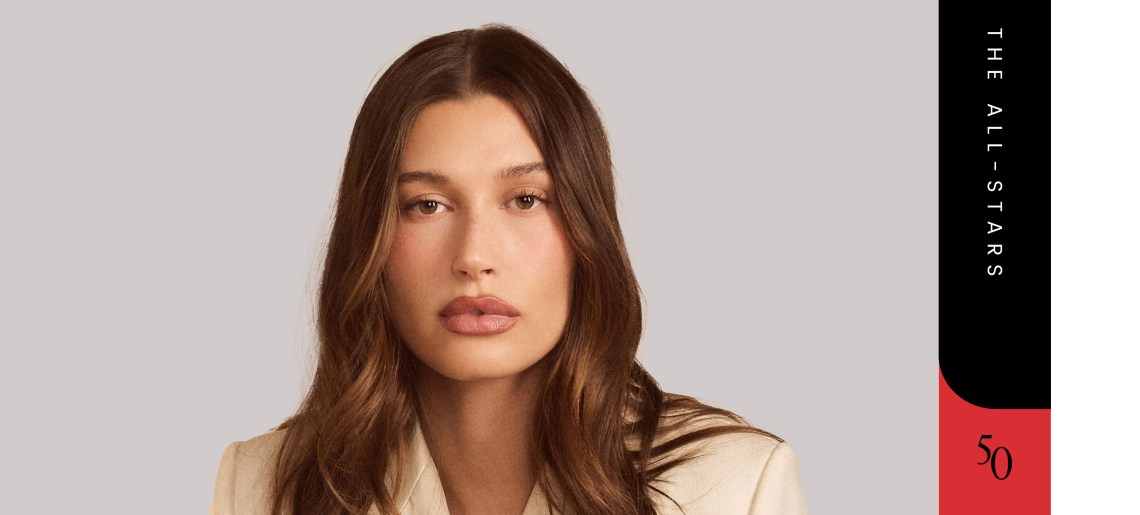
You already know the main headline of Hailey (Rhode) Bieber’s year. It was also, perhaps, the single biggest headline for the beauty industry in 2025: The model-turned-mogul sold Rhode, her instantly iconic skin-care and makeup (and phone case) brand to E.l.f. Beauty for $1 billion in May.

In July, the Wall Street Journal ran a headline: “Can Buck Mason become the next great American menswear brand?” It’s not out of the question: The company’s annual sales exceed $100 million, and revenue is growing at a 50% annual rate. What’s more, the company now has more than 50 stores nationwide.
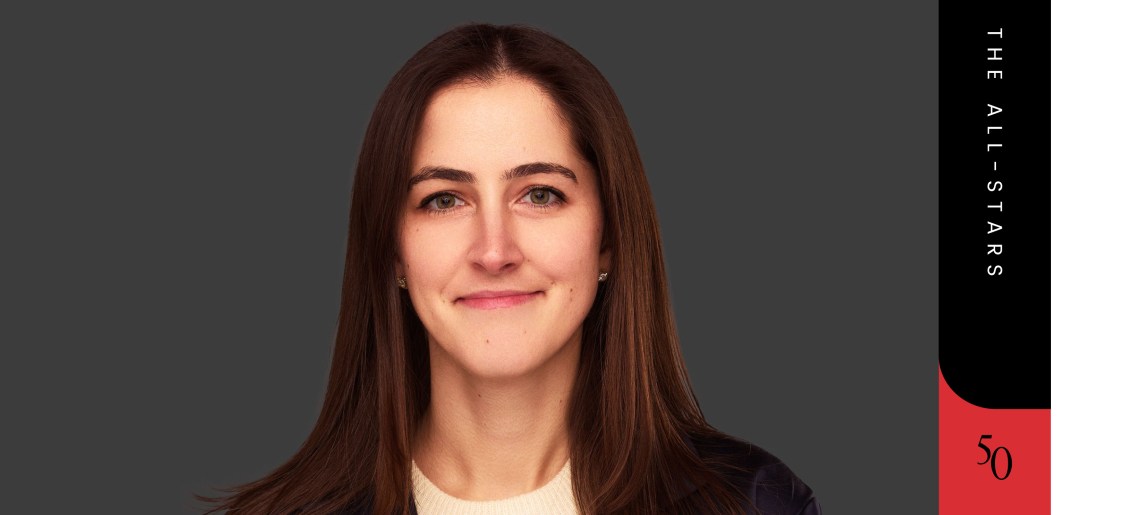
In five years, ShopMy has gone from idea to industry darling, becoming a leader in creator-led marketing and garnering a $1.5 billion valuation in October during its third fund raise. Glossy honors co-founder and president Tiffany Lopinsky for the company’s growth and success while also shining a light on the cultural changes quietly driving e-commerce today.

All-American, sure. Happy, yes. Even iconically cool. But fashion with a capital “F” has rarely been used to describe 56-year-old Gap — until Zac Posen joined the company in February 2024. Since then, the brand’s new GapStudio line — best described as a fashion playground for Posen — has been seen on a slew of red carpets and A-list celebrities, driving buzz and demand while challenging consumers’ perceptions of Gap style.
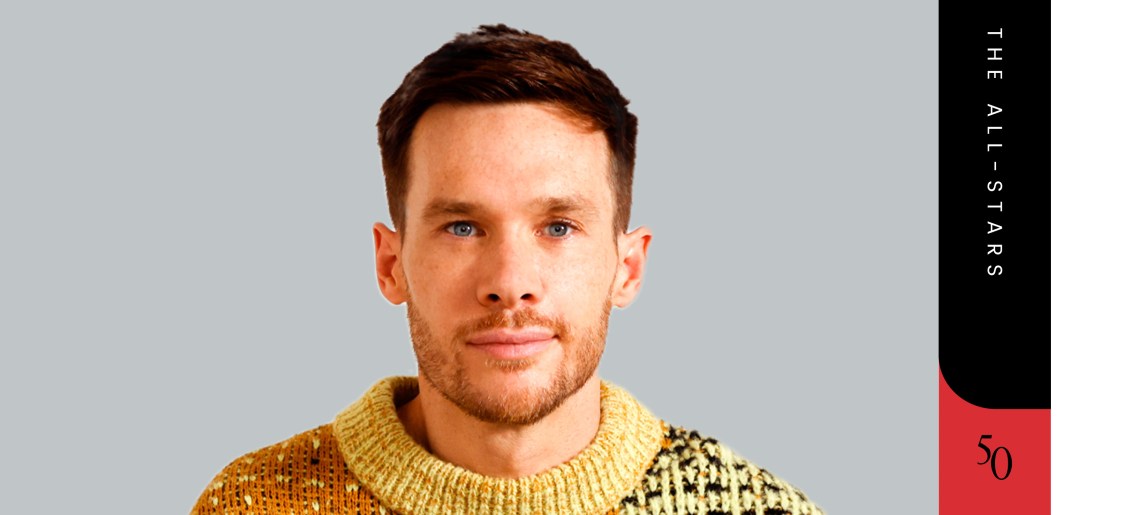
Few brands have captivated the niche fragrance boom quite like Amouage. The luxury brand achieved $300 million in sales in the third quarter of 2025, equalling 73% growth. That was after the brand reported a 60% growth in sales for the first half of 2025. And though chief creative officer Renaud Salmon claims not to have the exact recipe for success, his creations say otherwise.
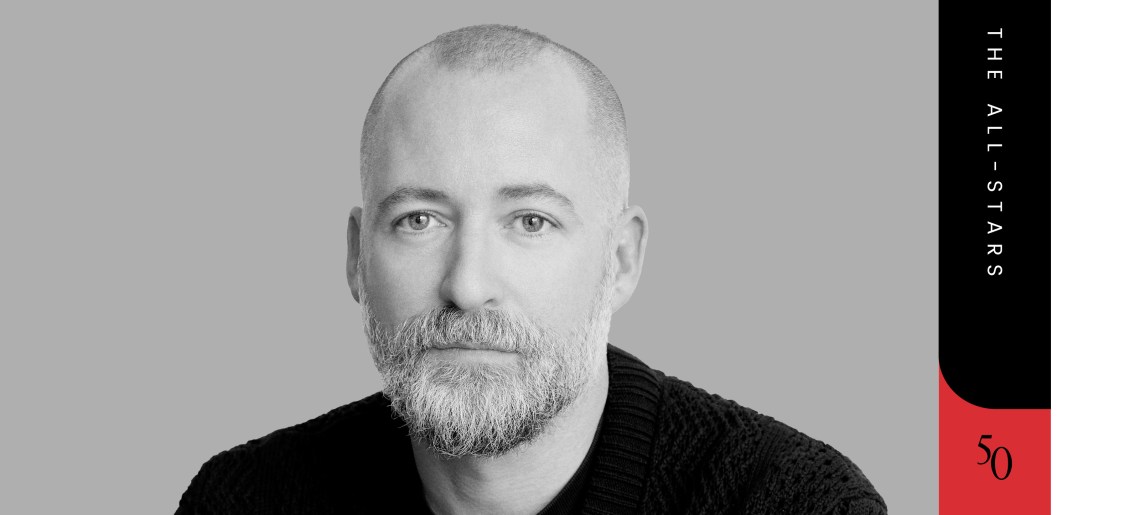
If 2025 belonged to any resale platform, it was Depop. The London-based company, launched in 2011, saw revenue climb by 42% as secondhand fashion went more mainstream. Peter Semple, the brand’s CEO, said the company’s secret hasn’t been only sustainability or price. It has also included personality.

Amid shifting trade dynamics and rapidly evolving consumer behaviour, Pop Mart CEO Grant Wang has guided one of the strongest momentum stories in global retail. The runaway popularity of Labubu has pushed Pop Mart’s once niche collectibles into the mainstream and reshaped the company’s international profile.